How to keep your lawn in top condition?
Watering effectively
Watering your lawn properly can make a noticeable difference, particularly during dry periods. It is better to water deeply and less frequently than to apply small amounts every day. This encourages the roots to grow deeper into the soil, making the lawn more drought-resistant. Early morning or late evening is the best time to water, as it reduces evaporation and allows moisture to soak in more effectively.
Feeding and soil health
Grass requires nutrients to thrive, so feeding your lawn at the right times of year is important. A spring feed can support strong growth, while an autumn feed helps prepare the lawn for colder weather. You should also pay attention to soil health. Aerating the lawn by creating small holes in the soil, improves drainage and allows air, water, and nutrients to reach the roots more easily. This is particularly beneficial if your soil is compacted.
Weed and moss control
Weeds and moss can quickly detract from the appearance of your lawn and compete with grass for nutrients and space. Regular maintenance, including proper mowing and feeding, will naturally reduce their presence. However, you may occasionally need to remove weeds manually or use a suitable treatment. Moss often indicates issues such as poor drainage or shade, so addressing the underlying cause will help prevent it from returning.
Lawn edging
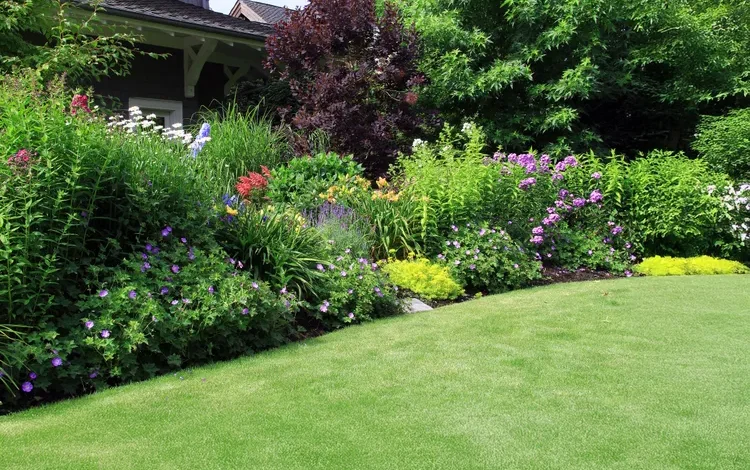
Defining the edges of your lawn with lawn edging is a simple way to create a cleaner and more polished look. Without clear boundaries, grass can spread into borders and pathways, making the garden appear untidy. By maintaining neat edges, you give your lawn a more structured and intentional appearance.
Seasonal care
Your lawn’s needs will change throughout the year, so adjusting your routine is key. In spring and summer, focus on mowing, feeding, and watering to support active growth. In autumn, remove fallen leaves and consider aerating and overseeding to repair any worn areas. During winter, try to avoid heavy use of the lawn when it is frosty or waterlogged, as this can damage the grass and soil structure.
Repairing and overseeding
Over time, lawns can develop thin or patchy areas due to wear, weather, or pests. Overseeding is an effective way to restore these areas and improve overall density. By adding new grass seed to existing turf, you encourage thicker, healthier growth. For best results, overseed during mild, damp conditions, typically in spring or early autumn.
Conclusion
Maintaining a healthy lawn does not require complicated techniques, but it does benefit from consistency and attention to detail. By mowing correctly, watering wisely, supporting soil health, and keeping edges neat, you can create a lawn that enhances your entire garden. With a regular care routine, your lawn will remain an attractive and enjoyable feature of your outdoor space throughout the year.