How to Start a Corporate Welcome Kit Business
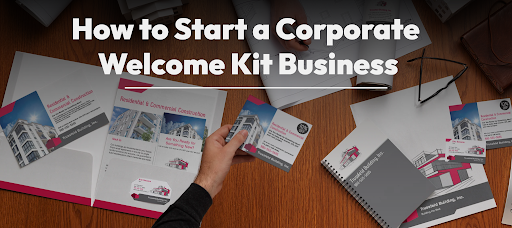
Starting a corporate welcome kit business can be a smart and profitable idea, especially as more companies focus on employee experience, onboarding, workplace culture, and brand identity. A corporate welcome kit is not just a box filled with random items. It is a carefully designed package that helps a new employee feel valued, informed, and connected to the company from the first day.
In the USA and other developed markets, businesses are investing more in employee engagement and branded gifting. Companies want new hires to feel excited when they join, whether they are working from the office, remotely, or in a hybrid role. A well-designed welcome kit can create a positive first impression, introduce company culture, and make onboarding more memorable.
If you want to start a corporate welcome kit business, you need to understand the market, choose the right products, build supplier relationships, create premium packaging, and offer a smooth ordering experience for companies.
Understand the Corporate Welcome Kit Market
Corporate welcome kits are part of the larger corporate gifting industry. Businesses use them for new employees, remote workers, client onboarding, events, employee appreciation, internships, and executive gifting. The demand has grown because companies want meaningful ways to build loyalty and improve the employee experience.
A welcome kit usually includes branded items such as notebooks, pens, bottles, mugs, T-shirts, hoodies, ID card holders, tech accessories, desk items, snacks, wellness products, and company documents. However, the best welcome kits are not only about products. They are about presentation, usefulness, and emotional connection.
Companies today prefer gifts that feel thoughtful instead of generic. Employees also appreciate items they can actually use in daily life. This creates a good opportunity for businesses that can provide customized, high-quality, and well-packaged welcome kits.
Choose Your Target Customers
Before starting your welcome kit business, decide who you want to serve. Your target customers can include startups, tech companies, law firms, marketing agencies, healthcare companies, universities, real estate firms, financial companies, and remote-first businesses.
Each industry may need a different style of welcome kit. A tech company may prefer laptop sleeves, wireless chargers, notebooks, and branded bottles. A law firm may want premium stationery, leather-style organizers, pens, and elegant packaging. A fitness brand may prefer wellness items, shaker bottles, towels, and motivational cards.
When you understand your target customer, you can create better kit options and pricing packages. Instead of offering one general box, you can create industry-based welcome kit collections. This makes your service look more professional and easier for companies to choose.
Build a Clear Business Model
A corporate welcome kit business can work in different ways. You can sell ready-made kit packages, fully customized kits, or a mix of both. Ready-made kits are easier to sell because companies can quickly choose from your catalog. Custom kits allow higher pricing because the client can select products, colors, branding, packaging, and inserts.
You can also offer bulk pricing based on quantity. For example, a company ordering 50 kits should get a different rate than a company ordering 500 kits. You may also offer monthly onboarding kit plans for companies that hire regularly. This can help you build recurring revenue.
Your business model should include product sourcing, customization, packaging, assembly, storage, shipping, and customer support. Corporate clients usually expect professional communication, clear timelines, and reliable delivery, so your process must be organized from the beginning.
Select Useful and High-Quality Products
The success of a welcome kit depends on the quality and usefulness of the items inside. Avoid cheap products that look good in pictures but do not last. Corporate clients want items that reflect their brand positively, so quality matters.
Popular welcome kit items include reusable water bottles, notebooks, pens, mugs, tote bags, tech organizers, laptop stands, mouse pads, stickers, ID card holders, apparel, desk calendars, snacks, and wellness products. For premium kits, you can include wireless chargers, power banks, Bluetooth speakers, luxury pens, planners, or custom apparel.
The best approach is to balance branded items with practical items. A kit full of only promotional products may feel too sales-focused. A kit with useful items, clean branding, and a personal welcome message feels more thoughtful.
Focus on Branding and Personalization
Corporate welcome kits should match the client’s brand identity. This includes company logo, brand colors, typography, tone, and packaging style. Some companies may want bold and colorful kits, while others may prefer minimal and premium designs.
Personalization can make the kit more valuable. Adding the employee’s name, department, joining message, or a signed welcome card can make the experience feel special. You can also create role-based kits, such as developer kits, sales team kits, executive kits, or remote work kits.
In corporate gifting, personalization helps the recipient feel recognized. This is one of the main reasons companies are moving away from generic swag and choosing more customized onboarding experiences.
Create Premium Packaging for Better Presentation
Packaging plays a major role in the welcome kit business because the first impression starts before the employee sees the products. A plain shipping carton may deliver the items, but a branded box creates an experience. When a new hire opens a professional welcome kit, it sends a clear message that the company values them.
For high-end onboarding packages, custom rigid box packaging can help you create a premium and durable presentation. Rigid boxes are strong, neat, and ideal for corporate kits that include multiple items such as notebooks, bottles, apparel, stationery, and tech accessories. They also protect the products during shipping and make the unboxing experience more memorable.
Your packaging should be clean, organized, and easy to open. Use inserts, dividers, tissue paper, product cards, and thank-you notes to improve the overall experience. A well-designed kit can also be shared on LinkedIn or Instagram, giving your client extra brand exposure.
Offer Different Welcome Kit Packages
To make buying easier for corporate clients, create different package levels. For example, you can offer a basic kit, standard kit, premium kit, and executive kit. This helps clients choose according to their budget and purpose.
A basic kit may include a notebook, pen, welcome card, and stickers. A standard kit can include a bottle, notebook, pen, and tote bag. A premium kit may include apparel, tech accessories, and higher-quality packaging. An executive kit can include luxury stationery, a premium bottle, leather-style organizer, and customized inserts.
You can also create themed kits such as remote work kits, wellness kits, tech onboarding kits, sustainability kits, event welcome kits, and client onboarding kits. The more clearly your packages are organized, the easier it becomes for businesses to place orders.
Add Printed Materials and Company Information
A corporate welcome kit should also help new employees understand the company. This is where printed materials become important. You can include a welcome letter, company values card, onboarding checklist, benefits guide, office map, QR code for employee portal, or a short brand story.
For companies that want to include guides, manuals, training notes, or employee handbooks, custom booklet rigid boxes can be a useful packaging option. These boxes can be designed to hold booklets, documents, cards, and branded materials neatly inside the kit. This makes the onboarding package more organized and helps new hires access important information easily.
Printed materials should be short, clean, and helpful. Avoid overloading the kit with too many documents. The goal is to make the employee feel guided, not overwhelmed.
Find Reliable Suppliers and Printing Partners
Supplier relationships are very important in this business. You will need vendors for promotional products, apparel, printing, packaging, inserts, labels, and shipping materials. Choose suppliers who can maintain quality and deliver on time.
Before working with any supplier, order samples. Check product quality, print durability, color accuracy, packaging strength, and delivery time. Corporate clients can be strict about brand colors and logo placement, so you must be able to deliver consistent results.
It is also smart to have backup suppliers. If one vendor delays an order, you should have another option available. This helps you avoid missed deadlines and protects your business reputation.
Set Pricing and Minimum Order Quantities
Pricing should include product cost, printing cost, packaging, assembly, storage, shipping, design work, revisions, and your profit margin. Many beginners only calculate product cost and forget the time required for sourcing, branding, packing, and client communication.
Corporate clients usually understand bulk pricing, so you can set minimum order quantities. For example, you may set MOQ at 25, 50, or 100 kits depending on the complexity of the order. Custom packaging and personalized items may require higher MOQs because production costs are higher.
You should also charge separately for design services, rush orders, warehousing, international shipping, or individual employee deliveries. Clear pricing helps avoid confusion later.
Build a Professional Website and Portfolio
A strong online presence is essential for a corporate welcome kit business. Your website should clearly show your kit options, product categories, packaging styles, customization process, industries served, and request-a-quote form.
Add professional photos of sample kits. Show close-up images of branded products, packaging, inserts, and unboxing layouts. Corporate buyers want to see what they are paying for, so visuals matter a lot.
Your website should also include SEO content targeting keywords like corporate welcome kits, employee onboarding kits, new hire welcome boxes, branded employee gifts, corporate gifting solutions, and custom onboarding packages. Blog content can help you attract HR teams, office managers, founders, and marketing departments searching on Google.
Market Your Welcome Kit Business
The best customers for this business are usually HR managers, office managers, procurement teams, startup founders, marketing managers, and employer branding teams. You can reach them through LinkedIn, cold email, Google SEO, paid ads, networking events, and partnerships with HR consultants.
LinkedIn is especially useful because many companies share employee onboarding posts there. You can post examples of your welcome kits, packaging ideas, client case studies, and tips for improving employee onboarding.
You can also target companies that are hiring actively. If a company is posting many job openings, they may need onboarding kits. Build a list of such companies and reach out with a professional proposal.
Manage Fulfillment and Delivery
Once you start getting orders, fulfillment becomes very important. You need a system for inventory, packing, quality checks, labeling, and shipping. Every kit should be packed correctly, especially if it includes personalized items.
Some companies may want all kits delivered to one office, while others may want individual kits shipped to employees’ homes. Remote employee delivery can be a strong selling point because many businesses now hire across different locations.
Make sure you track orders, confirm addresses, and provide delivery updates. A smooth fulfillment process can turn one-time clients into long-term accounts.
Final Thoughts
Starting a corporate welcome kit business is a strong opportunity for entrepreneurs who understand branding, packaging, gifting, and customer experience. Companies want to make new employees feel welcome, and a well-designed kit can help them do that in a professional and memorable way.
To succeed, focus on useful products, premium presentation, reliable suppliers, clear pricing, and strong client communication. A welcome kit should not feel like random merchandise. It should feel like a complete onboarding experience that represents the company’s culture and values.
With the right strategy, your corporate welcome kit business can serve startups, growing companies, remote teams, and established brands that want to create a better first impression for every new employee.