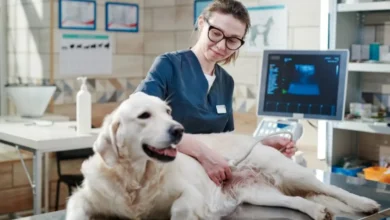
Who Cares for Your Pet During an Animal Clinic Visit?
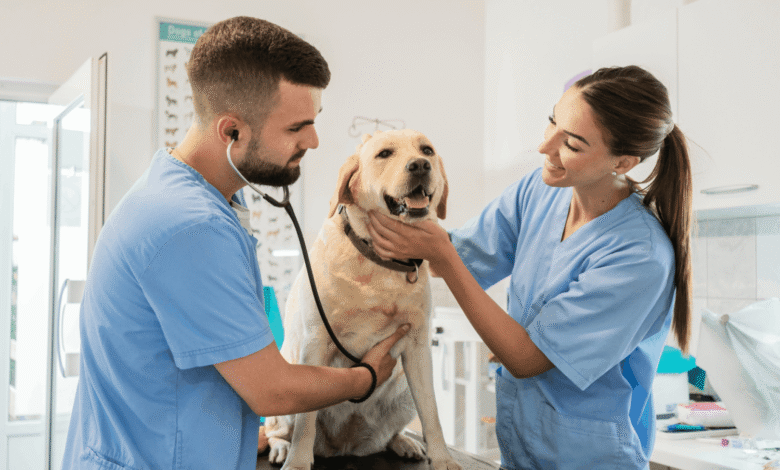
From a pet owner’s perspective, an animal clinic visit may seem straightforward: check in, meet the vet, discuss the concern and receive a care plan. Behind that appointment, however, several people may contribute to the pet’s care at different stages.
Veterinarians are responsible for veterinary assessment and clinical decisions, while veterinary nurses or technicians can assist with patient care, diagnostic procedures, medication administration under veterinary direction and monitoring. Reception and patient-care staff may also support communication, records, animal handling and the day-to-day care of pets staying in the clinic.
A Pet’s Visit Is a Team Process
Not every appointment requires involvement from every staff member.
A routine consultation may involve the reception team, a veterinarian and a veterinary nurse or technician. A pet requiring blood testing, diagnostic imaging, hospitalisation or surgery may interact with additional members of the clinical team.
The exact roles also vary between veterinary practices. Job titles such as veterinary nurse, veterinary technician, veterinary assistant and patient-care assistant can refer to different responsibilities depending on the clinic and the individual’s training.
What remains important is that the various roles connect around the same patient.
The Veterinarian Leads the Clinical Assessment
At a vet clinic in Singapore, the veterinarian is the licensed veterinary professional responsible for assessing the animal and determining the clinical approach.
The consultation usually begins with questions about why the pet has been brought to the clinic.
The veterinarian may ask about:
- Current symptoms
- When the problem began
- Appetite and water intake
- Urination and bowel movements
- Activity and mobility
- Changes in behaviour
- Previous illnesses
- Current medication
- Vaccination history
- Previous surgery
- Recent diagnostic tests
A physical examination may then involve checking areas such as the eyes, ears, mouth, skin, abdomen, heart, lungs, limbs and joints depending on the reason for the visit.
The veterinarian brings the information together to decide whether the pet requires monitoring, diagnostic investigation, medication, a procedure, hospitalisation or another form of veterinary care.
What Does a Veterinary Nurse or Technician Do?
Veterinary nurses and technicians work alongside veterinarians and can support several parts of patient care.
Their exact duties depend on their training, the clinic and the type of case.
Tasks may include:
- Assisting during veterinary examinations
- Helping with safe animal handling
- Collecting blood samples
- Supporting laboratory testing
- Placing intravenous catheters where appropriate
- Administering medication under veterinary direction
- Supporting diagnostic imaging
- Preparing patients for procedures
- Preparing clinical areas and equipment
- Monitoring anaesthetised patients
- Providing nursing care to hospitalised animals
- Observing patients during recovery
- Maintaining clinical records
- Supporting communication with pet owners
A veterinary nurse or technician does not replace the veterinarian’s clinical assessment. Instead, the role supports the care plan determined for the patient.
What Do Patient-Care Assistants Do?
Some animal clinics also employ patient-care assistants or veterinary assistants.
These staff can support both the clinical team and the animals staying within the clinic.
Depending on the practice, their responsibilities may include:
- Assisting with animal handling
- Maintaining patient hygiene
- Keeping wards and clinical areas clean
- Preparing supplies
- Restocking consumables
- Observing animals
- Reporting behavioural or physical changes to clinical staff
- Supporting routine patient-care tasks
These duties can be particularly relevant when an animal is hospitalised.
A pet staying at an animal clinic for several hours or overnight may require attention beyond medication and diagnostic procedures. Bedding, hygiene, safe handling and observation are also parts of day-to-day inpatient care.
What Role Does the Reception Team Have?
The front desk is often the point where an owner’s interaction with the veterinary clinic begins.
Reception staff may help with:
- Appointment scheduling
- Registration
- Updating owner and pet details
- Receiving existing veterinary records
- Recording the general reason for a visit
- Directing information to the clinical team
- Administrative questions
- Arranging follow-up appointments
- Providing clinic contact information
Their role can be particularly useful when a pet has received treatment elsewhere.
If an owner has previous veterinary records, medication details or diagnostic reports, providing these at registration can allow the information to be made available to the clinical team.
Reception staff do not replace veterinary assessment. Questions involving diagnosis, medication changes or clinical treatment should be directed to the veterinarian or relevant clinical team member.
How Does the Team Work Together During Diagnostic Testing?
A pet may need diagnostic testing when the physical examination and medical history do not provide enough information about the cause of a problem.
Depending on the case, the veterinarian may discuss:
- Blood tests
- Urine testing
- X-rays
- Ultrasound
- CT imaging
- Endoscopy
- Other laboratory investigations
Several members of an animal clinic team may be involved in this process.
For example, a veterinarian may determine that a blood test is appropriate. A veterinary nurse or technician may collect or process the sample according to the clinic’s procedures. The results can then be considered alongside the pet’s symptoms and examination findings when the veterinarian determines the next step.
Diagnostic imaging can involve a similar workflow.
Clinical staff may assist with patient preparation and positioning, while the resulting images form part of the veterinary assessment.
This demonstrates why a veterinary clinic is not simply a place where individual services are performed separately. Examination, diagnostics and treatment are connected through the patient’s care plan.
Who Cares for a Pet During Surgery?
Surgical cases involve several stages rather than the operation alone.
The care pathway can include:
- Pre-operative assessment
- Patient preparation
- Anaesthesia
- Surgery
- Recovery
- Monitoring
- Discharge
The veterinarian or veterinary surgeon performs the surgical procedure and determines the clinical plan.
Veterinary nurses or technicians may support areas such as:
- Preparing the patient
- Preparing the surgical area
- Assisting with equipment
- Anaesthesia monitoring
- Recording relevant observations
- Monitoring recovery
- Providing post-operative nursing care
The exact arrangement depends on the procedure and individual clinic.
After surgery, the veterinary team monitors the patient according to the procedure performed and the animal’s clinical condition.
The owner may then receive instructions regarding medication, wound care, activity, feeding and follow-up appointments.
Who Looks After a Hospitalised Pet?
Some pets can return home after consultation or treatment. Others may need to remain at the veterinary clinic for observation or continued care.
Hospitalisation may be considered when a pet requires:
- Intravenous treatment
- Repeated medication
- Oxygen support
- Observation after surgery
- Monitoring following an emergency
- Repeated clinical assessment
- Continued diagnostic investigation
- Nursing care that cannot be carried out appropriately at home
During a clinic stay, care may involve veterinarians, veterinary nurses or technicians and patient-care staff according to the animal’s needs.
The veterinarian reviews the clinical condition and determines the medical plan. Nursing staff may carry out prescribed care, monitor the patient and report changes. Patient-care assistants may support hygiene, handling and ward-related needs.
For a 24-hour facility, a patient’s treatment can also continue across different staff shifts. Clear documentation of observations, medication, diagnostic findings and treatment supports continuity as different team members become involved.
What Changes During an Emergency Visit?
Emergency cases can follow a different sequence from scheduled consultations.
When a pet arrives with a potentially serious condition, clinical assessment may need to take priority.
Examples include:
- Difficulty breathing
- Collapse
- Seizures
- Significant trauma
- Uncontrolled bleeding
- Suspected poisoning
- Sudden inability to stand or walk
- Inability to pass urine
- Sudden substantial deterioration
The veterinary team may assess the pet’s immediate condition before proceeding with a longer history or diagnostic investigation.
Depending on the findings, the animal may require stabilisation, diagnostic testing, medication, hospitalisation, surgery or continued monitoring.
In this setting, teamwork becomes particularly visible. Different members of the clinic may be preparing equipment, supporting animal handling, arranging diagnostics, monitoring the patient or communicating information while the veterinarian directs the clinical plan.
Why Accurate Information Matters to the Whole Clinic Team
A veterinary team can work with the information available to them, so pet owners play an important role as well.
Useful information can include:
- Previous medical records
- Current medication
- Known medical conditions
- Previous operations
- Allergies or medication reactions
- Recent diagnostic results
- Changes in eating or drinking
- Changes in urination
- Recent vomiting or diarrhoea
- Changes in mobility
- Possible exposure to toxins
- Recent injuries
If symptoms are intermittent, photographs or videos can also help demonstrate what has been happening at home.
Giving the clinic accurate information allows relevant details to be considered during assessment and documented for subsequent stages of care.
How Do Medical Records Connect Different Team Members?
A pet’s veterinary record provides continuity across consultations, diagnostic tests, procedures and hospital stays.
Depending on the case, the record can document information such as:
- Medical history
- Examination findings
- Diagnostic results
- Medication
- Procedures
- Clinical observations
- Treatment plans
- Follow-up information
This becomes particularly relevant when several people participate in the pet’s care.
For example, a veterinary nurse monitoring a hospitalised patient may document observations that can be reviewed when the veterinarian reassesses the animal. Diagnostic results can also become part of the information considered when the care plan is reviewed.
Records can be useful when a pet returns for follow-up or when relevant information needs to accompany a referral.
Does Every Animal Clinic Have the Same Team Structure?
No.
The size and structure of an animal clinic can vary.
Some practices focus primarily on scheduled consultations and routine veterinary care. Others may also provide diagnostic imaging, surgery, hospitalisation or emergency services.
Staffing can therefore differ according to:
- Clinic operating hours
- Types of veterinary services provided
- Hospitalisation facilities
- Surgical facilities
- Diagnostic capabilities
- Species treated
- Patient numbers
A smaller clinic may have individuals covering several functions, while a veterinary centre providing round-the-clock care may have staff working across different clinical and support roles.
Pet owners can ask who will be involved if their animal requires a procedure, hospitalisation or ongoing monitoring.
Do Dogs, Cats, and Other Pets Interact With the Team Differently?
Different species can require different approaches to handling and clinical care.
A dog, cat, rabbit, or bird may respond differently to:
- Transport
- An unfamiliar environment
- Handling
- Physical examination
- Diagnostic procedures
- Hospitalisation
The animal’s temperament and medical condition also influence how the team approaches the visit.
Owners can tell clinic staff about previous reactions to veterinary visits, handling sensitivities or behavioural concerns before examination begins.
This gives the veterinary team additional context when planning how to approach the patient.
Who Explains What Happens After the Visit?
Before a pet leaves the clinic, the owner should understand the relevant next steps.
Depending on the case, discharge information can cover:
- Medication
- Feeding instructions
- Activity restrictions
- Wound care
- Signs to monitor
- Follow-up appointments
- Pending diagnostic results
- Reasons to contact the clinic again
The veterinarian determines the clinical plan, while other members of the clinic team may support the discharge process according to their role.
Owners should ask for clarification if they are uncertain about medication instructions or what they need to monitor at home.
The Pet Owner Is Part of the Care Process Too
Veterinary care is not limited to what happens inside the clinic.
Pet owners observe their animals between appointments and can notice changes that may not appear during a consultation.
Owners contribute by:
- Describing symptoms
- Providing medical records
- Reporting current medication
- Following home-care instructions
- Monitoring changes after treatment
- Attending follow-up appointments when advised
- Contacting the clinic when the pet’s condition changes
This flow of information between the owner and veterinary team can continue from the initial appointment through treatment and follow-up.
An animal clinic visit involves a network of roles rather than a single interaction with one person.
The veterinarian leads the clinical assessment and determines the veterinary care plan. Veterinary nurses or technicians can assist with examinations, diagnostic procedures, medication administration under veterinary direction, anaesthesia monitoring and care of hospitalised patients. Reception and patient-care staff support the practical and administrative parts of the visit, including records, communication, handling and day-to-day patient needs.
These roles become particularly visible when a pet requires diagnostic testing, surgery, hospitalisation or emergency care. Information needs to move from the owner to the clinical team and between staff involved at different stages.
For pet owners, knowing who does what can make veterinary visits easier to understand. Providing accurate medical information, asking questions and following the discharge plan can also support communication between the owner and the people caring for the pet.
Frequently Asked Questions
Who is responsible for diagnosing my pet?
The veterinarian assesses the pet, considers the clinical history and examination findings, and determines whether diagnostic investigation or treatment should be discussed. Veterinarians treating animals in Singapore are required to hold the applicable veterinary licence.
What does a veterinary nurse do during a clinic visit?
Depending on training and clinic procedures, veterinary nurses or technicians may assist with examinations, animal handling, sample collection, diagnostics, medication administration under veterinary direction, anaesthesia monitoring and inpatient nursing.
Is a veterinary nurse the same as a veterinarian?
No. The roles are different. Veterinary nurses or technicians support patient care and clinical procedures, while the veterinarian is responsible for veterinary assessment and clinical decision-making.
Who monitors a pet after surgery?
Post-operative monitoring may involve the veterinarian together with veterinary nursing staff according to the procedure and the animal’s condition.
Who looks after a pet that stays overnight?
A hospitalised animal may receive care from veterinarians, veterinary nurses or technicians and patient-care staff according to the clinic’s structure and the patient’s needs.
Can I give my pet’s medical records to the reception staff?
A clinic’s front desk may receive veterinary documents and make them available to the clinical team. If possible, provide records before or at the start of the appointment so relevant information is available during assessment.
This article is for general information only and should not replace medical advice from a qualified healthcare professional.