Is Scuba Diving Hard to Master? Discover the Secrets to This Underwater Adventure
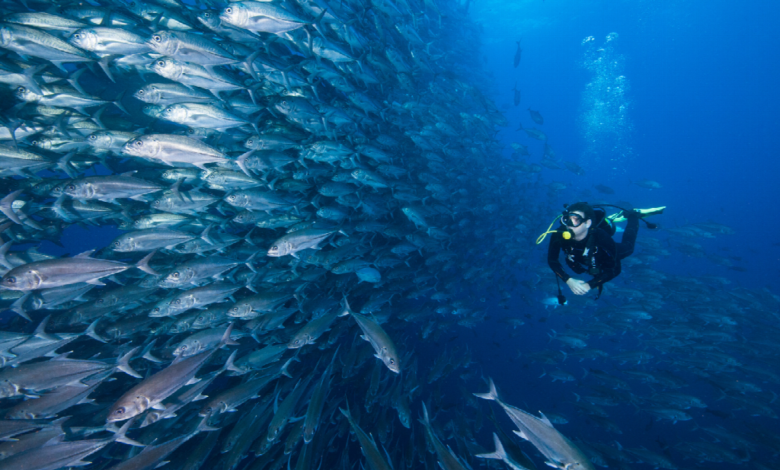
Scuba diving has a reputation for being technical, expensive, and slightly intimidating for anyone who hasn’t tried it. That reputation isn’t entirely wrong, but it also isn’t the full picture. Most of what makes scuba diving feel difficult has more to do with unfamiliarity than actual complexity, and the learning curve tends to flatten out faster than people expect once the basics click.
What Is Scuba Diving?
Scuba diving involves breathing from a tank of compressed air while submerged, using a regulator to control airflow and a buoyancy device to control depth. Unlike snorkeling, it allows extended time underwater, which is part of why the skill set required is slightly more involved.
Why Do People Ask: Is Scuba Diving Hard to Master?
The hesitation around scuba diving often comes down to a few specific concerns that naturally arise when considering the activity. However, certification courses are specifically designed to address each of these worries through supervised, repeated practice before anyone dives independently.
- The gear feels overwhelming — The equipment setup can look complex, but courses break down each component step-by-step until it becomes second nature
- Safety concerns underwater — The fear that something could go wrong without an easy way to surface is valid, which is exactly why training emphasizes emergency procedures and buddy systems
- Breathing apparatus anxiety — Learning to breathe calmly through a regulator underwater takes practice, but it’s one of the first skills taught in controlled conditions
- Pressure and depth — Understanding how water pressure affects your body is crucial, and instructors cover this extensively so divers know what to expect
The reality is that certification courses turn these concerns into manageable learning objectives rather than barriers, every potential issue has a practiced solution.
The Role of Equipment and Training in Scuba Diving
A diver’s comfort underwater depends heavily on how well they understand their equipment. Training doesn’t just cover how to use the gear, it builds the habit of checking everything methodically, which becomes automatic with repetition.
- Air supply management — Learning to monitor your tank pressure and plan dives around available air.
- Weight and buoyancy control — Understanding how to adjust weights so you stay neutrally buoyant at depth.
- Systematic gear checks — Developing a routine inspection process that catches problems before entering the water.
- Equipment familiarity — Practicing with gear until handling it feels natural rather than mechanical.
The key is that structured training turns equipment management from overwhelming to routine. This is one reason scuba diving in Indonesia has become such a popular activity among both new and experienced divers, with destinations across the country offering access to reputable dive centers and internationally recognized training programs that help divers build safe habits before exploring more advanced sites.
The Learning Process: Simple but Skill-Building
Most certification programs follow a proven sequence that removes pressure and builds confidence systematically.
- Classroom sessions — Cover theory, physics of diving, and safety protocols in a low-pressure environment
- Confined water practice — Introduce skills in a pool or shallow, controlled setting where mistakes have no consequences
- Open water dives — Apply everything learned in real conditions, typically over several supervised dives
- Skill repetition — Each technique is practiced until it becomes automatic, not something requiring conscious thought
None of the individual skills are particularly hard on their own, the progression simply ensures each foundation is solid before moving forward.
Common Mistakes New Divers Make
Most early errors stem from nerves rather than lack of ability, and they resolve naturally after supervised practice.
- Overweighting — Adding too much weight in an attempt to stay down, making buoyancy harder to control
- Breath-holding — Holding your breath underwater instead of breathing continuously, which is the most important safety rule
- Rising too quickly — Ascending faster than bubbles rise, which can cause decompression issues and panic
- Mask panic — Letting water in the mask trigger anxiety instead of calmly clearing it
- Fin technique — Using inefficient leg movements that waste energy and stir up sediment
These mistakes tend to disappear after a handful of supervised dives as confidence builds.
Why Some Say Scuba Diving Is Easy to Learn
Divers who found the process straightforward often credit how well-structured certification courses are.
- Progressive skill introduction — Each new skill is taught only after the previous one is comfortable and mastered
- Clear learning stages — The three-phase process (classroom, confined water, open water) removes guesswork about what comes next
- Immediate feedback — Instructors correct mistakes in real-time, helping divers adjust quickly
- Manageable pacing — Information is delivered in digestible chunks rather than overwhelming beginners all at once
- Built-in redundancy — Important safety skills are practiced multiple times, ensuring solid understanding
The gradual approach removes a lot of the anxiety that makes new activities feel harder than they actually are.
How to Make Scuba Diving Easier for Beginners
Several practical steps can smooth the learning process and build confidence faster.
- Practice breathing techniques beforehand — Get comfortable with the breathing pattern before your first course starts
- Stay relaxed in the water — Anxiety uses air quickly and clouds judgment, so mental preparation matters
- Choose a smaller class size — More instructor attention means faster skill development and more personalized feedback
- Take your time on foundational skills — Rushing through basics like mask clearing creates confidence gaps later
- Build physical comfort first — Spend extra pool time if needed before moving to open water
Beginners who invest time in these fundamentals typically progress faster and enjoy the experience more.
Popular Places to Learn Scuba Diving
Certain regions attract first-time divers for good reason, calm conditions and consistent visibility make learning much easier.
- Tropical shallow reefs, warm water and minimal currents create ideal training environments.
- Good visibility, being able to see your instructor and surroundings builds confidence underwater.
- Diverse marine life, colorful reefs and fish make dives more rewarding and memorable
- Established training infrastructure, regions with many certified instructors offer flexible scheduling and competitive pricing.
Bali and the Gili Islands are among the destinations that showcase why they are considered an excellent place to learn. PADI courses in Indonesia are widely recommended because of the country’s calm conditions, excellent visibility, world-class dive sites, and broad training availability. As a result, scuba diving continues to attract beginners seeking a safe and enjoyable introduction to the underwater world.
Health and Fitness Considerations
Recreational scuba diving doesn’t require elite fitness, but basic health screening is standard before certification.
- Reasonable physical fitness — General fitness is usually sufficient and you don’t need to be an athlete
- Pre-certification medical questionnaire — All students complete a health screening to identify any concerns
- Lung health — Breathing disorders can be problematic since pressure changes affect air expansion
- Heart and cardiovascular health — Diving adds physical stress, so heart conditions need medical clearance
- Ear and sinus health — Pressure changes affect these areas more than land activities, requiring good equalization ability
- Medications review — Some medications can affect diving safety, so instructors ask about current prescriptions
Most healthy people can dive safely, conditions are flagged during screening to ensure everyone who gets certified is medically appropriate for the activity.
Conclusion: Is Scuba Diving Hard to Master?
Scuba diving isn’t effortless, but it’s also not as difficult as its reputation suggests once broken down into individual skills. With structured training, reasonable pacing, and a bit of practice, most beginners find that the parts which felt intimidating on land become far more manageable underwater.