The 2025 Buyer’s Guide to Gas Tank Monitoring Systems: Pricing, Providers, and Performance Benchmarks in the US
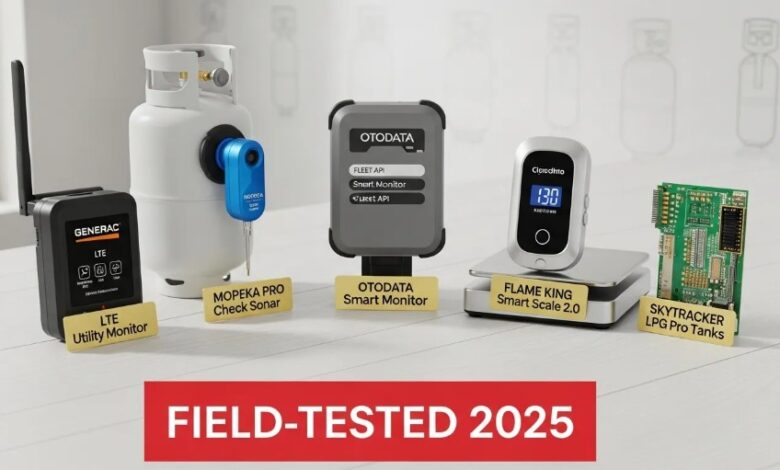
For fleet operators, fuel distributors, agricultural businesses, and industrial facility managers, keeping track of fuel levels has never been a passive responsibility. As operational costs tighten and regulatory scrutiny on fuel management increases, the gap between businesses that monitor their tanks in real time and those that rely on manual checks is becoming harder to ignore. Fuel shortages that halt operations, overfills that create liability, and theft that goes undetected for weeks are not abstract risks—they are recurring events in facilities that lack automated visibility into their storage systems.
The US market for fuel and gas tank monitoring has matured significantly over the past few years. What was once a technology reserved for large refinery operations or municipal fuel depots is now accessible to mid-sized businesses managing a handful of above-ground tanks. At the same time, the range of providers, pricing models, and system configurations has grown wide enough that buyers without a clear framework often end up with solutions that don’t match their actual operational requirements.
This guide is written for operations and procurement decision-makers evaluating monitoring systems for the first time or reconsidering their current setup as their needs have grown.
What Gas Tank Monitoring Systems Actually Do—and Why It Matters Now
Gas tank monitoring systems are automated platforms that track fuel levels, temperature, pressure, and in some configurations, delivery activity within storage tanks. They replace or supplement manual dipstick readings and visual inspections with continuous sensor-based data transmitted to a central dashboard, a mobile application, or an integrated fleet management platform. For anyone referencing current specifications and provider options, a well-structured Gas Tank Monitoring Systems guide can clarify the technical and contractual landscape before entering vendor conversations.
The practical value of these systems is not simply convenience. In operations where fuel is a primary input—construction fleets, agricultural equipment, emergency backup generators, or fuel distribution routes—an unexpected shortage has cascading consequences. Equipment sits idle. Deliveries are delayed. In regulated industries, an undetected leak or overfill can trigger environmental reporting obligations that carry significant cost and administrative burden.
The urgency in 2025 comes from two directions. First, fuel prices remain volatile enough that small percentage losses from theft, evaporation, or inaccurate deliveries represent real budget impact over a year. Second, the Environmental Protection Agency’s underground storage tank regulations, which continue to be updated under the Energy Policy Act framework, have raised the baseline compliance standard for leak detection and reporting. Businesses that once managed tanks informally are now expected to maintain documented records of inventory and any anomalies.
The Difference Between Passive and Active Monitoring
Not all monitoring systems offer the same level of operational engagement. Passive systems record data and store it for review, while active systems push alerts when thresholds are crossed or when readings fall outside expected patterns. For a business running a single backup fuel tank that gets checked weekly, passive logging may be adequate. For a fuel depot managing daily deliveries across multiple tanks, active alerting connected to a dispatch workflow is the more appropriate configuration.
The distinction matters when evaluating pricing, because vendors often present entry-level packages with passive data logging and charge additional subscription fees for active alerting, anomaly detection, or third-party integrations. Understanding which mode your operation actually requires before entering a procurement process prevents underbuying or paying for functionality that won’t be used.
Pricing Structures and What Drives Total Cost
The cost of a gas tank monitoring system in the US is not a single number—it is a combination of hardware costs, installation costs, and ongoing subscription or service fees. These three components behave independently, and the ratio between them varies significantly depending on the provider and the deployment model.
Hardware costs are driven by the number of tanks being monitored, the sensor type required for each tank’s configuration, and whether wireless communication is included in the device itself or requires a separate gateway unit. Tanks with difficult access points, custom fittings, or hazardous material classifications will require more specialized equipment, which raises the per-tank hardware cost.
Installation costs depend on whether the provider uses certified technicians or allows third-party installation. Some vendors require their own installers to maintain warranty coverage, which can add logistical complexity for businesses in rural or less-served regions. For underground tanks, installation is more involved and typically subject to state permitting requirements, adding time and cost to the deployment schedule.
Subscription Models and Long-Term Commitments
Most modern gas tank monitoring platforms operate on a software-as-a-service model, meaning the ongoing subscription fee is a recurring operational cost rather than a one-time capital expense. These fees cover data storage, platform access, customer support, and in some cases, automatic firmware updates for the hardware.
Contract lengths typically range from one to three years. Multi-year agreements often come with reduced per-month rates, but they also reduce flexibility if the provider’s service quality declines or if the business’s tank configuration changes. Buyers should pay close attention to what happens to data if they exit a contract early—some providers make historical data inaccessible or charge export fees, which creates a dependency that is worth understanding before signing.
A transparent provider will clearly separate hardware pricing from software pricing and will not bundle them in a way that obscures the true cost of either. If a provider is reluctant to break down these costs independently, that is a useful signal about how they manage client relationships generally.
Evaluating Providers: What Performance Actually Looks Like
The US market includes national providers, regional specialists, and hardware manufacturers that sell directly without managed service components. Each category has trade-offs that affect how well the system performs in practice, not just on paper.
National providers typically offer broader customer support coverage and more developed software platforms, but their account management structures can be less responsive for smaller accounts. Regional specialists may offer more hands-on installation and support, but their platforms may have fewer integration options with third-party fleet or accounting software. Direct hardware manufacturers give buyers more control over configuration but often leave the software and service layer to a reseller, which creates a fragmented support chain.
Reliability Metrics Worth Asking About
When evaluating a provider, the performance benchmarks most relevant to day-to-day operations are sensor uptime, alert delivery speed, and data accuracy under temperature variance. Tanks exposed to extreme cold or heat—common in northern and southern US climates respectively—can produce sensor drift that affects reading accuracy. A provider that has invested in temperature-compensated sensors and has tested them across a range of conditions is preferable to one that assumes stable environments.
Alert delivery speed matters because an alert that arrives four hours after a threshold is crossed has limited operational value. Businesses should ask providers specifically how alerts are routed, what redundancy exists if a primary communication pathway fails, and whether alerts can be sent to multiple contacts simultaneously. The answers reveal how the system behaves during the moments that matter most.
Integration with Existing Operational Systems
A monitoring platform that operates in isolation from the rest of a business’s software creates additional administrative work rather than reducing it. The most effective deployments connect tank data with procurement systems, delivery scheduling tools, or fleet management platforms so that a low-fuel alert can automatically trigger a reorder request or notify a delivery driver without requiring manual intervention.
Buyers should ask whether a provider offers open API access or pre-built integrations with commonly used platforms. According to the US Environmental Protection Agency’s Underground Storage Tank program, facilities are increasingly expected to maintain digitally accessible compliance records, which makes integration with document management or reporting systems an operational necessity rather than a convenience.
Installation Timelines and What Delays Them
One of the more underestimated aspects of deploying gas tank monitoring systems is the time between purchase and full operational readiness. For above-ground tanks with standard fittings, installation can often be completed within days of hardware delivery. For underground tanks, or for sites that require electrical work, cellular antenna installation, or permitting, the timeline extends considerably.
Businesses that need monitoring in place before a specific compliance deadline, seasonal operational period, or new contract start date should begin procurement conversations well in advance. Underestimating the installation timeline is a common reason that buyers end up rushing into vendor agreements without adequate due diligence, which often leads to mismatched systems or inflated pricing from providers who recognize urgency as negotiating leverage.
Common Gaps in Monitoring Coverage
Even businesses that have deployed monitoring systems sometimes discover that their coverage has blind spots. Secondary containment tanks, day tanks adjacent to generators, or temporary storage tanks brought on-site for seasonal operations are frequently left outside the monitoring perimeter because they were not part of the original deployment scope.
These gaps matter because theft, leaks, and compliance events are not constrained to primary tanks. A fuel loss event that begins in a secondary tank can go undetected until it surfaces as a physical spill or a budget discrepancy. Regular audits of which tanks are and are not monitored—and why—are worth building into annual operational reviews.
Closing Thoughts
Selecting a gas tank monitoring system in 2025 requires more careful evaluation than it did even three years ago. The technology has become more capable, the provider landscape more varied, and the compliance expectations higher. Buyers who approach the market with a clear understanding of their tank inventory, their operational workflows, and their integration requirements will make better decisions than those who evaluate systems based on price or brand recognition alone.
The most important step before engaging any vendor is to document what the monitoring system needs to do, not just what it needs to measure. Alert timing, integration capability, data access rights, and contract flexibility all shape whether a system creates genuine operational value or simply adds another platform to manage. Used well, gas tank monitoring systems reduce uncertainty, support compliance, and give operations teams the information they need to make timely decisions. That outcome depends less on the technology itself and more on how thoughtfully it is selected and deployed.