What Seattle Homeowners Discover When They Replace a 20-Year-Old Fence
Most fence replacement projects in Seattle start the same way. A post leans noticeably after a wet winter. A section of cedar boards turns gray and spongy to the touch. A gate starts dragging on the ground. The homeowner calls a fence company, and what follows is almost always more interesting than they expected.
Fence installation in Seattle, WA is not just a straightforward swap of old boards for new ones. When a crew pulls out posts that have been in the ground through two decades of Pacific Northwest wet seasons, what they find tells a story about what the climate has been doing underground the whole time. The post bases are often rotted several inches above the concrete footer. The concrete itself may have cracked from frost cycling. The soil around it may be saturated clay that holds water against the post year-round.
Understanding what actually happens to fences in Seattle’s climate is the foundation of making smart decisions about your next fence — materials, post installation method, and design choices that determine how long the new fence will last before the same thing happens again.
What Seattle’s Climate Does to Fences Over Time
The Ground Contact Problem
The most common failure point in Seattle area fences isn’t the boards — it’s the posts, specifically where they meet the ground. Wood posts set in concrete in Seattle’s consistently wet soil are in a moisture trap. The concrete collar holds water against the wood at grade level, and that constant moisture contact is exactly the condition that accelerates wood rot in Douglas fir and cedar posts.
Posts in Ballard, West Seattle, and Shoreline neighborhoods where the soil stays wet from October through May are particularly vulnerable. The portion of the post just above the concrete footer — where air moisture meets soil moisture — is often the first place rot establishes. By the time the fence looks noticeably deteriorated above ground, the post below grade may already be structurally compromised.
Modern fence installation in Seattle addresses this with pressure-treated posts rated for ground contact, proper post-setting methods that allow drainage around the base, and in some cases, post bases or surface-mount hardware that keeps the wood off the ground entirely.
Wood Movement and Board Failure in the PNW
Cedar fence boards in Seattle go through significant moisture cycling. They absorb water through the wet season and dry out — sometimes dramatically — in the summer. That repeated expansion and contraction causes boards to warp, split, and check over time. Fastener holes elongate. Boards that were properly gapped at installation may close up in winter and pop nails outward as the wood expands.
This isn’t a quality problem with the wood or the installation — it’s wood behaving as wood does in a wet climate. The practical response is choosing fasteners and installation methods that accommodate wood movement: stainless steel screws rather than galvanized nails (which back out more readily as boards move), and board spacing that accounts for seasonal swelling.
Moss and Mildew on the Fence Surface
Anyone with a cedar fence on the north or west side of their property in Seattle knows the green problem. Moss, algae, and mildew colonize fence boards in shaded, damp conditions — which describes most Seattle backyards from October through April. Biological growth accelerates surface weathering, holds moisture against the wood, and creates the gray, mottled appearance that tells you a fence is approaching end of life.
Regular cleaning and application of a mildew-resistant fence finish extends the surface life of cedar fencing significantly. But these treatments don’t address post rot or structural failure — those require replacement.
Planning Your Seattle Fence Installation
Choosing the Right Material for the PNW
Cedar is the traditional choice for Seattle area residential fencing, and it remains a strong option when properly installed and maintained. Western red cedar contains natural oils that resist moisture and insect damage better than most domestic wood species. For a fence that will be maintained with periodic staining or sealing, cedar performs well in the PNW.
Pressure-treated pine is more rot-resistant than untreated cedar when used for posts and framing but has a different appearance and requires staining to look finished. It’s a practical choice for the structural elements of the fence even when cedar boards are used for the visible surface.
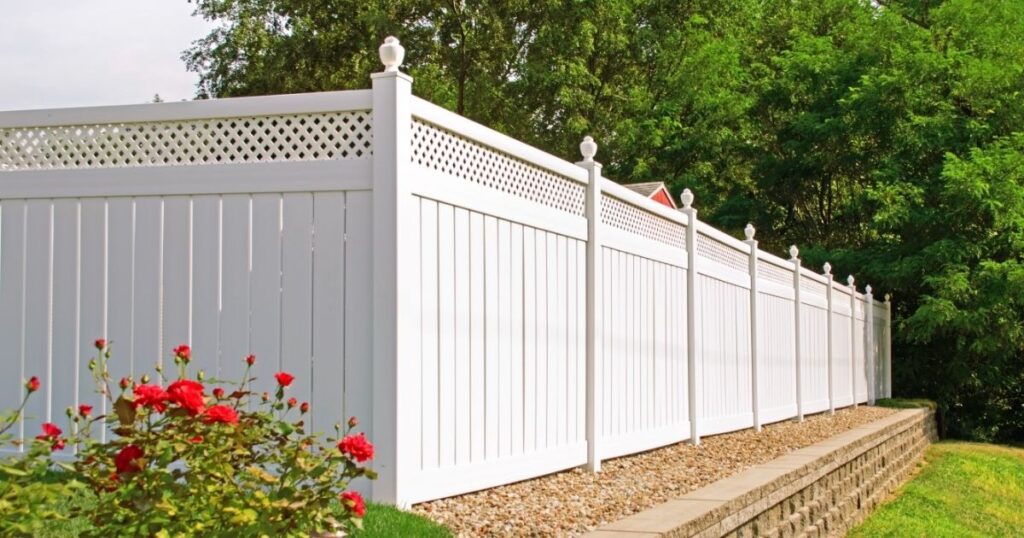
Composite fencing and vinyl fencing are increasingly popular in Seattle because they eliminate the maintenance requirements of wood. They won’t rot, won’t support moss growth the way wood does, and don’t require periodic staining. The upfront cost is higher, but the total cost of ownership over 20 years compares favorably when you factor in maintenance.
The Permit Question in Seattle
Fence installation in Seattle may require a permit depending on height and location. Fences up to 6 feet on side and rear property lines generally don’t require a permit in Seattle city limits. Front yard fences over 3 feet require a permit. Fences in shoreline zones, on corner lots, or in certain zoning districts have additional requirements.
Kirkland, Shoreline, and Bellevue have their own municipal requirements that differ from Seattle’s. Always verify permit requirements for your specific location before installation begins — your fence contractor should be able to confirm what’s needed.
Property Lines and the Neighbor Conversation
Fence installation on or near a property line is the source of more neighborhood disputes than almost any other home improvement project. In Seattle’s dense residential neighborhoods — Ballard, West Seattle, Capitol Hill — property lines are close and sightlines are tight.
Before any installation happens, verify your property lines. Survey stakes from your original purchase may still be present, or a survey can confirm exact boundaries. Having an honest conversation with your neighbor about the project before it starts avoids the conflicts that arise when a fence goes up and a neighbor claims it’s six inches over the line.
What a Quality Installation Looks Like
Contour Fence works throughout Seattle and the surrounding area — Ballard, West Seattle, Kirkland, and Shoreline — bringing local knowledge of PNW fence conditions to every fence installation in Seattle. The team’s understanding of post-setting methods, material selection for wet-climate performance, and local permit requirements means the project goes right from the start rather than creating problems to fix later.
A well-installed Seattle fence — with properly set ground-contact posts, appropriate material choices, and quality fasteners — should last 20 or more years before requiring significant structural attention. That’s the standard to hold your installation to.
Frequently Asked Questions
How long does a wood fence last in Seattle, WA?
A properly installed cedar fence in Seattle with quality posts and regular maintenance typically lasts 15 to 25 years. The posts usually fail first — particularly at the ground line — in Seattle’s wet soil conditions. Using pressure-treated posts rather than cedar posts extends the structural life significantly.
Do I need a permit for a fence in Seattle?
Fences up to 6 feet on side and rear property lines generally don’t require a permit in Seattle. Front yard fences over 3 feet do require one. Corner lots, shoreline properties, and homes in certain zones have additional requirements. Check with the Seattle Department of Construction and Inspections or your fence contractor before starting.
What’s the best fence material for Seattle’s rainy climate?
Western red cedar is the traditional PNW choice and performs well when maintained. Pressure-treated posts for structural elements improve longevity. Composite and vinyl fencing eliminate wood maintenance entirely and don’t support moss growth — the total cost of ownership over 20 years is competitive with cedar when maintenance costs are included.
How do I stop moss from growing on my Seattle fence?
Regular cleaning with a diluted bleach or oxygen-based deck cleaner removes biological growth. Applying a mildew-resistant wood finish or stain after cleaning slows regrowth. Trimming vegetation that keeps the fence in constant shade reduces moisture retention and limits the conditions moss needs to establish.
How much does fence installation cost in Seattle?
Wood fence installation in Seattle typically runs $25–$50 per linear foot installed for cedar privacy fencing depending on height, style, and site conditions. Composite and vinyl fencing run higher — $40–$75 per linear foot. Sloped lots, rocky soil, and permit requirements add cost. Get a site-specific quote after a property walkthrough.