Valplekar: The Science of Playful Puppy Development
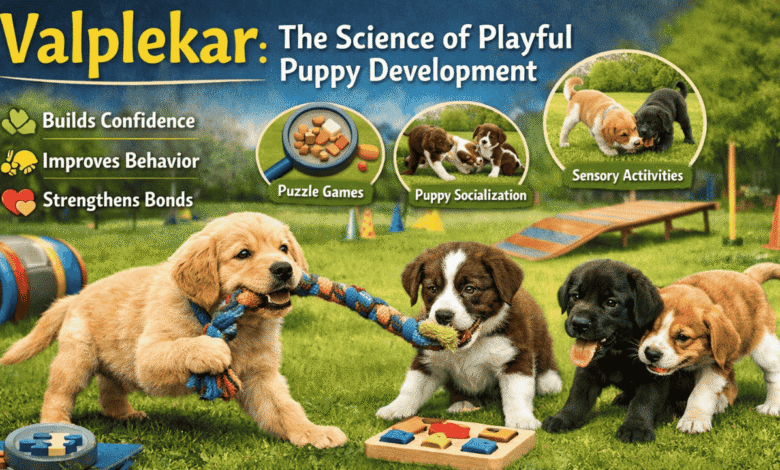
Valplekar, or puppy play, is one of the most important elements in a young dog’s development. Through play, puppies learn how to communicate, build confidence, develop coordination, and form strong bonds with their owners. Far more than simple entertainment, valplekar shapes a puppy’s emotional health, behaviour, and ability to adapt to the world. In this detailed guide, we will examine what valplekar are, why they matter, the best types of games for different stages of a puppy’s life, common mistakes to avoid, and how to use play as a powerful training and bonding tool.
What Are Valplekar?
Valplekar is a Swedish term that translates directly to “puppy games” or “puppy play.” It refers to structured or unstructured play activities designed specifically for puppies, taking into account their physical development, energy levels, and learning abilities.
Unlike adult dogs, puppies are still discovering:
- How their bodies work
- How to interact socially
- What is safe or unsafe
- How to control biting and excitement
Valplekar help guide this learning process in a positive and natural way.
Why Valplekar Are Essential for Puppies
Mental Development
Puppies learn best through play. Games stimulate problem-solving, memory, and curiosity. Simple activities like hiding treats or practising basic commands make learning fun.
Physical Health
Play strengthens muscles, improves coordination, and supports healthy bone development. Regular movement also prevents excess energy from turning into destructive behaviour.
Social Skills
When puppies engage in valplekar with humans or other dogs, they learn:
- Bite inhibition
- Body language
- Boundaries
- Proper social behaviour
These skills are critical for avoiding fear or aggression later in life.
Emotional Confidence
Positive play experiences help puppies feel safe and confident. A confident puppy grows into a well-adjusted adult dog.
Types of Valplekar for Puppies
Interactive Valplekar with Humans
These games strengthen the bond between puppy and owner.
Examples:
- Tug-of-war (with rules)
- Fetch with soft toys
- Gentle chase games
- Hand-targeting games
These activities teach trust and cooperation while burning off energy.
Mental Stimulation Games
Mental exercise is just as important as physical play.
Great valplekar for the brain includes:
- Puzzle feeders
- Hide-and-seek with treats
- Name recognition games
- Simple obedience challenges
Just 10–15 minutes of mental play can tire a puppy more effectively than long walks.
Social Valplekar with Other Puppies
Puppy-to-puppy play teaches essential communication skills.
Supervised play allows puppies to:
- Learn bite control
- Understand social cues
- Build confidence
- Release energy safely
Puppy classes and playgroups are ideal environments for these interactions.
Sensory-Based Valplekar
These games help puppies adapt to new experiences.
Examples include:
- Walking on different surfaces
- Exploring new sounds
- Playing with toys of different textures
- Navigating small obstacles
These activities reduce fear later in life and improve adaptability.
How to Choose the Right Valplekar for Your Puppy
Not all puppies are the same. When selecting games, consider:
Age
Young puppies tire quickly and need shorter, gentler play sessions.
Breed
High-energy breeds (Border Collies, Labradors) need more stimulation than calmer breeds.
Personality
Some puppies love chasing, others prefer thinking games or cuddling.
Energy Level
Overstimulating a tired puppy can lead to biting or frustration.
The best valplekar match the puppy’s natural instincts and energy.
Common Mistakes to Avoid During Valplekar
Overstimulation
Too much excitement can lead to nipping or zoomies. Always allow rest breaks.
Rough Play
Avoid games that encourage aggression, such as wrestling with hands.
Lack of Structure
Play should be fun, but also guided. Clear rules help puppies learn boundaries.
Ignoring Signals
Yawning, turning away, or freezing can mean the puppy is tired or overwhelmed.
Listening to your puppy helps keep play positive.
Using Valplekar for Training
Valplekar can be a powerful training tool when used correctly.
Reward-Based Learning
Use toys or games as rewards instead of food sometimes. This builds motivation and focus.
Teaching Commands Through Play
- “Sit” before throwing a toy
- “Drop it” during tug
- “Come” during chase games
Puppies learn faster when training feels like fun.
How Often Should You Do Valplekar?
A good general guideline:
- 2–5 short play sessions per day
- 5–15 minutes per session, depending on age
- Always end play while the puppy is still happy and engaged
Quality matters more than quantity.
The Long-Term Benefits of Valplekar
Consistent, positive play results in:
- Better obedience
- Lower anxiety
- Reduced destructive behaviour
- Stronger human-dog bond
- Happier, healthier adult dogs
Puppies raised with regular valplekar are more confident, social, and emotionally balanced.
Conclusion: Why Valplekar Matters More Than You Think
Valplekar are far more than just games — it is a foundation for a dog’s entire life. Through play, puppies learn how to think, move, interact, and trust. The time you invest in fun, structured play today shapes your dog’s behaviour for years to come.