The Future of Experiential Marketing: Maximizing B2B ROI Through Trade Show Exhibitions
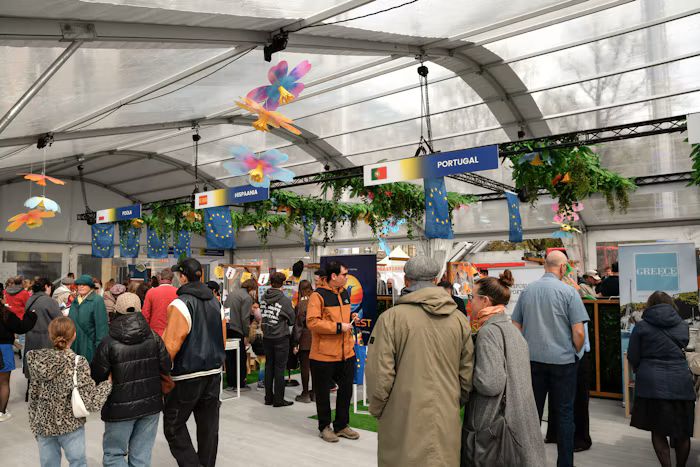
Digital channels have transformed enterprise buyer journeys, yet high-value B2B procurement remains fundamentally tethered to human connection. While inbound funnels and digital ad campaigns generate top-of-funnel awareness, closing seven-figure contracts requires verified credibility, operational alignment, and interpersonal trust.
Trade show floors serve as concentrated micro-markets where corporate buyers bypass protracted discovery cycles. By stepping away from screen-mediated communications, enterprise decision-makers assess product viability, cultural compatibility, and organizational maturity within minutes.
To capture a qualified pipeline in this environment, enterprise brands must shift from passive exhibiting to structured experiential marketing. Succeeding at scale demands an analytical approach that combines spatial architecture, interactive narratives, and disciplined event execution.
The Resurgence of Face-to-Face B2B Marketing
As outbound digital acquisition costs surge, enterprise marketing leaders face diminishing returns from programmatic ads and automated outreach. High-growth sectors increasingly treat physical exhibitions as their highest-converting direct channel for enterprise account acquisition.
Face-to-face engagements compress the standard enterprise buying cycle by bringing multi-stakeholder buying committees together under one roof. In a single meeting, procurement leaders, technical directors, and C-suite executives evaluate technical proof-of-concept demonstrations and executive team credibility simultaneously.
Research indicates that a brand’s physical presence at an exhibition directly influences buyer trust and perceived industry authority. To maintain brand consistency without straining internal resources, many global enterprises rely on turnkey trade show booth solutions that handle the end-to-end process—from initial 3D rendering and graphic printing to on-site dismantling. This integrated approach minimizes logistical friction and allows corporate teams to focus exclusively on closing deals. Partnering with seasoned specialists like Aplus Expo ensures that enterprise sales teams avoid on-site operational firefighting, keeping their energy dedicated entirely to buyer negotiations and relationship building.
When tactical logistics are streamlined, commercial representatives can focus on high-impact revenue activities that move enterprise opportunities through the pipeline:
- Accelerated Stakeholder Consensus: In-person presentations resolve technical objections across cross-functional committees in real time, saving months of asynchronous exchanges.
- High-Touch Lead Qualification: Face-to-face qualification frameworks allow sales directors to identify actual budget authority, active initiatives, and deployment timelines instantly.
- Tangible Brand Equity: The visual and spatial execution of your footprint serves as concrete evidence of fiscal strength, operational scale, and market longevity.
- Competitor Differentiation: Side-by-side positioning within competitive halls highlights proprietary software performance, physical build quality, and customer service advantages directly to active evaluators.
Key Elements of a High-Converting Exhibition Space
An exhibition booth must operate as a dedicated conversion engine rather than a static visual billboard. High-performing spaces are systematically engineered to attract foot traffic, facilitate discovery, and drive commercial discussions without friction.
Achieving this requires balancing open structural visibility with private commercial zones. Every square foot of floor real estate must serve a quantifiable stage within the on-site qualification funnel.
Spatial Flow and 3D Conceptualization
High-conversion architecture begins long before fabrication teams arrive on-site. Professional design teams rely on architectural modeling to predict attendee traffic behavior and optimize structural sightlines.
Pre-show 3D rendering allows marketing leaders to analyze spatial flow and eliminate operational dead zones before committing construction capital. A poorly positioned counter or obstructive partition wall can divert significant attendee volume into adjacent competitor aisles.
- Intuitive Perimeter Access: Open, multi-access entries invite seamless pedestrian entry from primary hall thoroughfares without psychological barriers.
- Functional Zone Segmentation: Purpose-driven zoning separates high-traffic product demonstrations from private, acoustically isolated executive meeting areas.
- Ergonomic Staff Positioning: Strategic positioning of hospitality stations and interactive touchscreens prevents staff from clustering and blocking pedestrian pathways.
- Sightline Optimization: Elevated branding elements and high-lumen structural signage ensure clear visibility from over fifty paces across dense trade hall avenues.
Through structured 3D spatial planning, brands optimize their physical footprint to support high throughput while preserving dedicated spaces for confidential contract discussions.
Interactive Technology and Brand Storytelling
Modern enterprise buyers tune out generic brochures and static product displays. Creating an engaging physical presence requires integrating advanced audiovisual hardware with strategic brand narratives.
Interactive technology serves as an initial qualification layer, engaging visitors and providing initial technical context before a technical sales engineer steps in.
- Ultra-Fine Pitch LED Displays: Seamless video walls present dynamic case studies, proprietary architecture diagrams, and brand positioning with maximum visual authority.
- Self-Guided Touch Terminals: Digital catalog kiosks allow busy visitors to explore software modules, API integrations, and product specifications at their own pace.
- Interactive Simulation Environments: Virtual reality (VR) and augmented reality (AR) workflows bring industrial machinery and complex data workflows directly onto the trade show floor.
- Real-Time Polling & Feedback Displays: Gamified, data-driven survey stations capture attendee pain points while generating immediate market intelligence for sales staff.
By weaving interactive technology into the physical environment, brands transform passive booth visitors into engaged participants within an active corporate narrative.
Overcoming Logistical Hurdles in Event Management
Executing an international exhibition campaign involves extensive operational complexity. Cross-border transit delays, damaged equipment, and unexpected venue surcharges can jeopardize marketing budgets and diminish campaign ROI.
Exhibiting across major convention venues—such as the Las Vegas Convention Center, Chicago’s McCormick Place, or Messe Frankfurt—requires navigating complex union labor guidelines, strict drayage fees, and rigid material handling regulations. Violating jurisdiction boundaries or missing dock arrival windows routinely results in heavy penalization and project delays.
Adopting a centralized project management approach safeguards operational budgets and ensures seamless physical execution:
- Proactive Labor Compliance: Managing jurisdiction rules across electrical, audiovisual, and riggers unions prevents on-site work stoppages and costly overtime penalties.
- Consolidated Drayage and Freight Scheduling: Coordinated warehouse staging and precise marshaling yard dispatch minimize venue material handling surcharges.
- Turnkey Logistics Coordination: Centralizing fabrication, transport, storage, and I&D (installation and dismantling) under single-point accountability eliminates vendor finger-pointing.
- Comprehensive Risk Mitigation: Maintaining redundant components, localized spare parts, and dedicated on-site emergency structural teams guarantees on-time booth handovers.
Eliminating these operational friction points protects the corporate event budget and gives leadership confidence that on-site infrastructure will perform smoothly.
Measuring Success: Beyond the Initial Badge Scans
The commercial success of an event cannot be gauged by foot traffic or badge scan counts alone. High badge volumes often obscure weak lead qualification and poor post-event sales follow-through.
Understanding the true return on investment requires looking past superficial vanity metrics like total badge scans. According to recent studies on B2B event marketing ROI, face-to-face interactions generated at specialized trade shows remain the most effective channel for closing enterprise-level contracts, provided the post-event follow-up strategy is meticulously tracked and integrated into the company’s CRM.
Maximizing trade show performance requires tracking multi-touch attribution and maintaining strict alignment between sales and marketing teams:
- Automated CRM Ingestion: Connecting badge-scanning hardware directly to CRM systems enables real-time record enrichment and rep notification within hours of contact.
- Algorithmic Lead Tiering: Categorizing leads based on explicit timeline urgency, allocated budget, and technical scope ensures that Tier-1 enterprise opportunities receive immediate prioritization.
- Strict Sales SLAs: Enforcing formal Service Level Agreements requiring sales representatives to complete initial contextual follow-ups within 48 hours of hall closure prevents pipeline decay.
- Pipeline Velocity Tracking: Monitoring sales acceleration rates for exhibition-sourced opportunities against non-event deals gives executive teams a clear view of commercial impact.
When organizations view trade shows as unified, data-driven conversion funnels rather than standalone branding exercises, physical exhibitions become a highly predictable growth engine for enterprise revenue.