How to Tell If Mold Damage Requires Professional Help
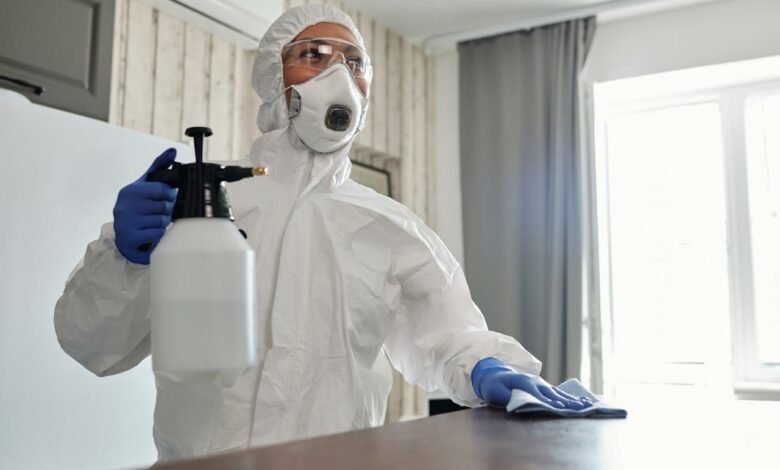
Mold growth in your home isn’t always just an eyesore, sometimes it’s a genuine threat that needs expert attention. The tricky part? Knowing when you can grab some cleaning supplies and handle it yourself versus when it’s time to call in the professionals. Too many homeowners roll up their sleeves thinking they’ve got this under control, only to realize they’ve accidentally spread spores to rooms that were previously fine. This guide walks you through the telltale signs that your mold situation has crossed the line from manageable nuisance to serious problem requiring specialized help.
Assessing the Size and Extent of Mold Growth
Here’s where things get real: if you’re looking at mold coverage that’s bigger than ten square feet, you’re already in professional territory. That’s not just a recommendation, it’s what environmental protection guidelines actually suggest. Sure, a small patch of mold on your bathroom tile? You can probably tackle that with some household cleaner and elbow grease. But when you’re dealing with larger areas, what you’re seeing on the surface is just the beginning.
Recognizing Health Symptoms and Risk Factors
Your body often knows something’s wrong before your eyes catch up. If people in your household are dealing with persistent coughing, wheezing, or nasal congestion that mysteriously improves when they leave the house, that’s mold talking. Anyone with asthma, allergies, or a compromised immune system shouldn’t even consider DIY remediation, the risk simply isn’t worth it. Beyond the obvious respiratory stuff, mold exposure can trigger skin rashes, pounding headaches, exhaustion that won’t quit, and that frustrating brain fog that makes concentrating feel impossible.
Identifying Hidden Moisture Sources and Structural Damage
Mold doesn’t just appear out of nowhere, it needs moisture, and finding that source often requires detective work beyond the average homeowner’s toolkit. Leaking pipes, compromised roofs, foundation cracks, or drainage problems create perfect breeding grounds inside your walls where you’ll never spot the growth until it’s massive. Ever notice a persistent musty smell but can’t pinpoint where it’s coming from? That’s hidden mold, and you’ll need professionals with invasive inspection techniques to track it down. Watch for warped walls, floors that buckle, paint that peels away, or mysterious water stains, all of these scream moisture intrusion and likely extensive mold development behind the scenes. When you’re dealing with significant water damage or structural concerns, homeowners often need to contact a restoration company near you to figure out if components like drywall, insulation, or wooden framing are damaged enough to need complete replacement rather than just cleaning. Treating visible mold without fixing the moisture source is like bailing water from a boat without plugging the leak, you’re just wasting effort while the real problem keeps getting worse.
Understanding When DIY Methods Fall Short
Some mold situations are just beyond what household cleaners and basic protective gear can handle, period. When mold gets into porous materials like drywall, carpet, upholstery, or ceiling tiles, you can’t really clean it, spores burrow deep where surface treatments will never reach, which means those materials need to come out entirely. HVAC systems contaminated with mold create a particularly nasty scenario because every time your heating or cooling kicks on, you’re basically broadcasting spores to every room in your house. Cleanup following sewage backups or flooding involves more than just mold risks, you’re also dealing with potential bacterial contamination that requires professional, grade protocols.
Evaluating Insurance Coverage and Documentation Needs
Here’s something many homeowners don’t realize until it’s too late: insurance companies take mold claims seriously, which means they want professional documentation backing everything up. Most homeowner policies actually require professional testing, proper remediation, and detailed reporting to process mold-related claims successfully. Try handling it yourself and you might inadvertently void your coverage or trigger disputes about whether the original damage or your cleanup attempts caused specific losses. Professional remediation companies deliver comprehensive documentation, pre-treatment testing, photographs, moisture readings, post-remediation verification, basically everything insurance adjusters need to evaluate your claim fairly.
Conclusion
Figuring out whether you need professional help for mold damage comes down to honestly assessing several key factors: how extensive the contamination is, what health risks your household faces, where the moisture is coming from, and what DIY methods simply can’t accomplish. Small surface patches on non-porous materials? Sure, give it a shot with proper precautions. But larger infestations, hidden growth, structural damage, or health symptoms affecting anyone vulnerable, these all demand professional intervention to ensure the job gets done safely and completely. The specialized equipment, training, and documentation that certified remediation professionals bring to the table ultimately protect both your property investment and your family’s wellbeing while satisfying insurance requirements and legal obligations. When you’re unsure whether you can handle mold independently, playing it safe by consulting qualified professionals prevents manageable problems from snowballing into serious health hazards and expensive structural damage that compromise your home’s safety and value.