Modern, Classic & Industrial Restaurant Booths for Any Dining Concept
Modern Restaurant Booths for Contemporary Dining Interiors
Modern dining spaces emphasize clean lines, open layouts, and a refined visual balance. Restaurant booths designed for contemporary interiors often feature streamlined silhouettes, minimal detailing, and neutral or muted color palettes. These design choices allow booths to blend seamlessly into modern spaces without overpowering the overall aesthetic. Smooth upholstery, low-profile backs, and subtle textures contribute to a polished look that appeals to today’s diners.
Beyond appearance, modern booths support functionality by maintaining comfort while maximizing floor space. Their structured layout helps create order in open-concept dining rooms, making seating arrangements feel intentional rather than crowded. When thoughtfully selected, modern booth seating enhances both the visual identity and usability of contemporary restaurants, helping create an environment that feels current, inviting, and well-organized.
Classic Restaurant Booths That Create a Timeless Dining Atmosphere
Classic design remains a popular choice for restaurants seeking a warm and familiar atmosphere. Restaurant booths in traditional styles often feature higher backs, plush cushioning, and rich upholstery tones that create a sense of comfort and permanence. These elements contribute to a welcoming environment where guests feel encouraged to settle in and enjoy their meals.
Classic booth designs are particularly effective in family restaurants, diners, and establishments that value tradition and consistency. Their timeless appeal ensures they remain visually relevant even as trends change. In addition to aesthetics, classic booths offer reliable comfort and durability, making them suitable for long-term use. By incorporating traditional seating elements, restaurants can establish a sense of identity that resonates with a broad range of customers.
Industrial-Style Restaurant Booths for Urban and Loft-Inspired Spaces
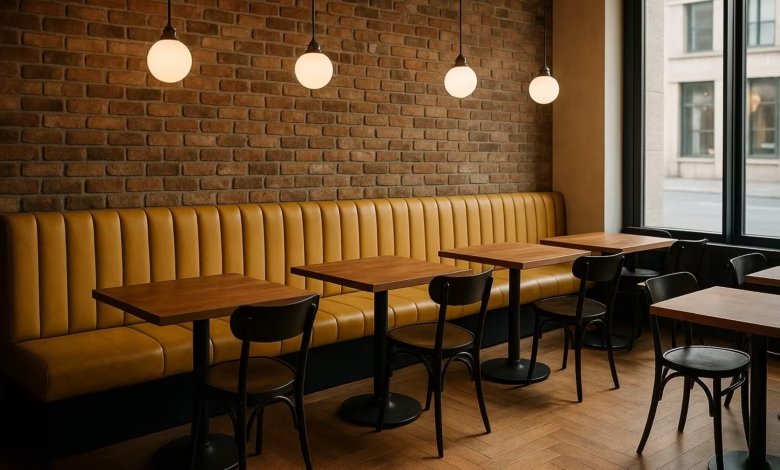
Industrial interiors draw inspiration from urban environments, combining raw materials with functional design. Restaurant booths suited for industrial spaces often feature exposed metal frames, textured finishes, and darker color schemes. These elements create a bold, distinctive look that aligns well with loft-style restaurants, breweries, and modern urban eateries.
Despite their rugged appearance, industrial-style booths are designed with comfort in mind. Padded seating and supportive backrests balance the harder visual elements, ensuring guests can relax while enjoying the atmosphere. These booths also offer excellent durability, making them ideal for high-traffic settings. When integrated thoughtfully, industrial booth seating adds character and authenticity without compromising on comfort or practicality.
How Restaurant Booths Support Different Interior Design Concepts
One of the greatest strengths of booth seating is its adaptability. Restaurant booths can be designed to complement a wide range of interior concepts, from sleek modern spaces to cozy traditional dining rooms. Their fixed structure allows designers to shape the flow of a space while reinforcing the restaurant’s overall theme.
Booths can be used to define zones within larger dining areas, helping create visual separation without walls. This flexibility supports both aesthetic goals and operational needs. By adjusting materials, colors, and proportions, booths can either stand out as a design feature or blend subtly into the background. This versatility makes booth seating a valuable design tool across many dining concepts.
Custom Restaurant Booth Options to Match Your Restaurant’s Style
Customization allows restaurants to tailor seating to their specific brand identity and layout requirements. Restaurant booths can be customized in terms of size, shape, upholstery, and detailing, ensuring they align with the intended dining concept. Whether a restaurant prefers bold statement seating or understated elegance, custom options provide the flexibility to achieve that vision.
Custom booth designs also help address practical considerations such as space constraints and seating capacity. Curved booths, varying back heights, or unique finishes can be incorporated to enhance both form and function. By investing in customized seating, restaurants gain greater control over their interior design while ensuring that comfort and usability remain a priority.
Choosing Restaurant Booths That Balance Design and Function
While style is important, seating must also support daily operations. Restaurant booths should strike a balance between visual appeal and practical performance. Well-designed booths offer ergonomic support, durable construction, and materials suited for frequent use and easy maintenance. These factors ensure that seating remains comfortable and presentable over time.
Functionality also includes how booths fit within the overall layout. Proper spacing, table alignment, and accessibility all contribute to an efficient dining environment. When design and function work together, booths enhance both guest satisfaction and staff workflow. Making informed choices at the design stage helps restaurants avoid costly adjustments later and ensures seating supports long-term success.
Conclusion
A restaurant’s seating plays a key role in shaping its identity and guest experience. Restaurant booths offer a versatile solution that adapts to modern, classic, and industrial dining concepts while maintaining comfort and durability. Their ability to support different design styles makes them a valuable investment for restaurants looking to create cohesive and functional interiors.
By choosing booths that align with the restaurant’s aesthetic and operational needs, owners can enhance both visual appeal and everyday performance. Whether used to define space, reinforce branding, or improve guest comfort, booth seating delivers long-term value. Thoughtful design, quality materials, and proper planning ensure that booths remain a defining feature that supports the restaurant’s concept and overall success.
READ ALSO: 5 Tips to Help Restaurant Owners Serve High-Quality Food