How Do You Find PPC Services That Actually Work for Your Industry?
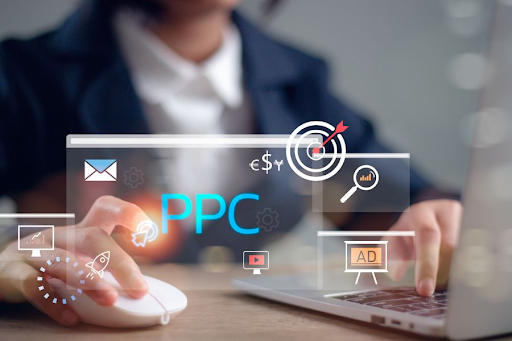
In the majority of PPC campaigns, budgets get spent, dashboards look “active,” and nothing meaningful shows up on the revenue side. That’s the real problem.
Here’s a number worth paying attention to. Recent data shows that the average Google Ads conversion rate across industries sits around an average of 4.2 percent, but top performers often push past 10 percent.
The gap isn’t luck. It’s strategy, execution, and a much tighter fit between the service provider and the industry they’re working in. That’s exactly why businesses look for the best PPC services that focus on performance, not just activity.
So the question is not “who can run ads?” Plenty can. The real question is, who actually understands how your buyers think?
Start by questioning the “full-service” pitch
Agencies love saying they work with everyone. Healthcare, SaaS, eCommerce, real estate, local services, all in one breath. Sounds efficient. Usually it isn’t.
Different industries move at different speeds. A SaaS buyer might take weeks to decide. Someone searching for emergency plumbing won’t wait ten minutes. Same platform, completely different intent.
When a provider claims broad expertise, push a little. Ask what changes when they switch from one industry to another. If the answer sounds like a template, that’s exactly what you’re getting.
Watch how they talk about your customer
You can tell a lot in the first conversation. Some agencies jump straight into keywords and budgets. Others slow down and ask about your sales cycle, your margins, what a good lead actually looks like.
The second group tends to get better results, for a simple reason. They’re not chasing clicks. They’re trying to understand what a conversion means for you.
That difference shows up later in campaign performance. Cheap leads that never close are easy to generate. Useful ones take more thought.
The keyword conversation should feel uncomfortable
If keyword research sounds easy, something’s off. Good PPC services don’t just pull high-volume search terms and call it a day. They dig into intent. They look for signals that someone is close to making a decision, not just browsing.
Sometimes that means ignoring obvious keywords. Sometimes it means going after longer, less popular phrases that convert better.
And then there’s the part most people skip, negative keywords. The stuff you don’t want to show up for. Miss that, and your budget leaks quietly every day.
Ask how often they revisit keyword lists. If the answer is “at the start of the campaign,” you’re looking at a static setup in a dynamic market.
Ad copy tells you how much they actually care
You don’t need to be a copywriter to spot lazy ads. Generic lines stand out immediately. “Best services.” “Affordable solutions.” “Contact us today.” None of that means anything to a real buyer.
Strong PPC teams write like they understand the problem behind the search. The tone feels specific. Sometimes even slightly uncomfortable, in a good way. It speaks directly to what the user is dealing with.
And they don’t settle on one version. They test constantly. Headlines change. Angles shift. Small tweaks stack up over time. If an agency treats ad copy as a one-time task, performance will plateau. It always does.
Reporting should answer one question clearly
Is this making money or not? You’d be surprised how often that gets buried under layers of metrics. Impressions, clicks, CTR, all useful, but not the end goal.
What you need is clarity. Cost per lead. Cost per sale. Revenue compared to ad spend. Trends over time, not just snapshots. If reports feel complicated, they’re not helping. They’re hiding something, even if unintentionally.
Optimization is where most campaigns quietly break
Launching a campaign is the easy part. Keeping it sharp is where things fall apart. Bids drift. Competitors change their approach. Search behavior shifts. Left alone, even a good campaign starts losing efficiency.
Ask how often changes are made. Not in vague terms. Weekly? Daily for high-spend accounts? What exactly gets adjusted? You want specifics here. Without regular tuning, performance doesn’t just stall, it slides.
Automation isn’t the shortcut people think it is
Platforms like Google Ads push automation heavily now. Smart bidding, automated targeting, machine-led optimizations. Useful tools, no doubt. But they’re not a strategy.
Good PPC services use automation carefully. They guide it, correct it, sometimes override it. Because algorithms don’t understand your margins, your sales reality, or your market nuances the way a human strategist should.
If someone leans entirely on automation, you’re not getting expertise. You’re getting a tool running on autopilot.
Fit matters more than reputation
Big names look safe. Strong case studies look convincing. Neither guarantees results in your situation.
What you’re really looking for is alignment. Do they understand how your business makes money? Do they ask the right questions? Do they push back when something doesn’t make sense?
A smaller, more focused team can outperform a large agency if they’re closer to your reality.
Conclusion
Finding the right PPC service takes a bit of friction. It should. If the process feels too smooth, too easy, you’re probably not digging deep enough.
The right partner won’t just run ads. They’ll challenge assumptions, refine your approach, and stay involved as things evolve.
That’s when PPC starts to feel different. Less like an expense you monitor, more like a system that quietly drives growth in the background.
If you’re looking to turn your PPC campaigns into a consistent growth engine, EZ Rankings, the best digital marketing agency, can help you build and manage strategies that focus on performance, optimization, and long-term results.