Top Animation Courses in India for Skill Development
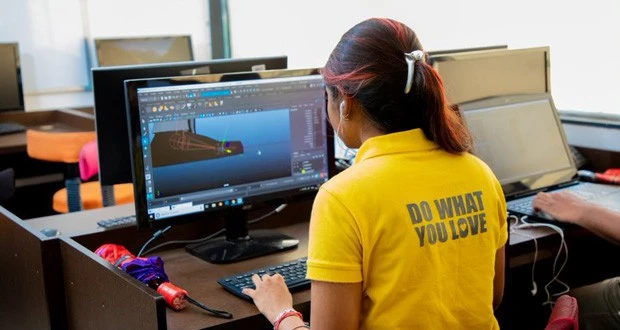
Animation has become one of the most skill-driven creative fields in India, expanding rapidly across industries such as gaming, digital marketing, education, and entertainment. As the demand for high-quality visual content increases, the focus has shifted from basic learning to structured skill development that aligns with real-world industry requirements.
The global animation industry continues to grow at a significant pace, with market size expected to reach nearly $500 billion by 2028, reflecting strong demand for animation across sectors. This growth is directly influencing the need for specialized training programs that focus on practical skills and production readiness.
For students starting their journey, exploring options such as the top animation courses in India can provide a useful starting point before analyzing course structure and learning depth.
This guide explains the types of animation courses available in India, how they contribute to skill development, and how to choose the right course based on long-term career goals.
Why Skill Development Matters in Animation
Animation is not a theory-heavy field. It is built on consistent practice, technical precision, and creative execution. Unlike traditional academic disciplines, success in animation depends on how effectively a student can apply knowledge to real projects.
Skill development in animation typically includes:
- Understanding motion and timing
- Building visual storytelling abilities
- Mastering software tools
- Working within production pipelines
Students who focus only on completing a course often struggle, while those who prioritize skill-building through projects and iteration tend to perform better in professional environments.
Types of Animation Courses Focused on Skill Development
Animation courses differ significantly in how they approach learning outcomes. Some focus on conceptual understanding, while others emphasize practical execution.
1. Degree Programs for Comprehensive Skill Building
Degree programs provide the most structured and in-depth approach to animation training.
What These Courses Include
Students are trained across multiple areas:
- Design fundamentals and composition
- Animation principles and motion studies
- 2D and 3D animation workflows
- Storyboarding and narrative development
- Editing and compositing techniques
This broad exposure helps students understand the complete production pipeline rather than isolated tasks.
Duration and Learning Progression
Degree programs typically span three to four years and follow a progressive structure:
- Foundation phase (basic concepts)
- Intermediate phase (software and techniques)
- Advanced phase (projects and specialization)
This progression ensures that students build skills gradually and reinforce them through repeated application.
Skill Development Outcome
Students graduating from degree programs usually:
- Develop strong conceptual clarity
- Build structured portfolios
- Gain exposure to multiple roles within animation
2. Diploma Programs for Practical Skill Development
Diploma programs are designed to focus more on execution and less on theory.
What These Courses Include
These programs emphasize:
- Software training
- Core animation techniques
- Project-based assignments
They are more focused on producing job-ready skills within a shorter timeframe.
Duration and Flexibility
Diploma courses typically range from six months to two years, making them more accessible for students who want quicker results.
Skill Development Outcome
Students completing diploma programs:
- Gain practical experience quickly
- Build entry-level portfolios
- Learn production tools used in studios
However, depth may vary depending on the institute and curriculum quality.
3. Certificate Courses for Specialized Skills
Certificate courses focus on specific technical areas rather than complete training.
Areas of Specialization
Students can focus on:
- 3D modeling and sculpting
- VFX compositing
- Motion graphics design
- Game asset creation
Skill Development Outcome
These courses help students:
- Improve specific technical skills
- Transition into new roles
- Add specialization to existing knowledge
They are most effective when combined with broader learning.
Key Skills You Develop Through Animation Courses
Animation courses are valuable only if they lead to measurable skill development. Students should evaluate courses based on the actual skills they gain.
1. Technical Software Skills
Students learn to use industry-standard tools such as:
- Autodesk Maya
- Blender
- Adobe After Effects
- Nuke
Hands-on experience with these tools is essential for employability.
2. Creative and Visual Thinking
Animation requires strong creative abilities, including:
- Storytelling
- Character design
- Visual composition
Courses that include creative exercises help students develop originality.
3. Production Workflow Understanding
Understanding how projects move from concept to final output is critical. Students learn:
- Pipeline stages
- Team collaboration
- Project timelines
This prepares them for real-world production environments.
4. Problem-Solving and Iteration
Animation involves constant refinement. Students develop:
- Attention to detail
- Ability to revise work
- Creative problem-solving skills
These skills are essential for working in professional studios.
How to Choose the Right Course for Skill Development
Choosing the right course requires more than comparing durations or fees. Students must focus on how effectively the course builds practical skills.
Key factors to consider:
- Learning Approach: Does the course focus on projects or just lectures?
- Skill Depth: Does it cover both basics and advanced techniques?
- Portfolio Support: Does it help build real project work?
- Industry Relevance: Are tools and techniques up to date?
A course that balances these elements provides better outcomes.
Industry Demand for Skilled Animation Professionals
The demand for animation professionals continues to rise across industries. The global animation production market is projected to reach over $630 billion by 2034, driven by growth in streaming, gaming, and digital content. This growth is increasing the need for skilled professionals who can contribute immediately in production environments.
As a result, companies are prioritizing candidates who:
- Have strong portfolios
- Understand production workflows
- Can work with modern tools
Courses that focus on these areas provide better career opportunities.
Importance of Portfolio-Based Learning
In animation, portfolios are more important than certificates. A strong portfolio demonstrates:
- Technical skills
- Creative ability
- Real project experience
Students should aim to build:
- Multiple project types
- Diverse styles
- Real-world applications
Courses that emphasize portfolio development give students a competitive advantage.
Common Mistakes When Choosing Animation Courses
Many students select courses without understanding their long-term impact. Avoid:
- Choosing based only on cost
- Ignoring practical exposure
- Overlooking curriculum depth
- Not reviewing student outcomes
These mistakes can limit skill development and career growth.
Tips for Maximizing Skill Development
Students can improve learning outcomes by taking a proactive approach. Focus on:
- Practicing regularly outside coursework
- Building independent projects
- Learning multiple tools
- Seeking feedback and improving continuously
Consistent effort leads to stronger skill development over time.
Balancing Creativity and Technical Skills
Animation requires both creative thinking and technical execution. Students should:
- Develop storytelling skills
- Learn software tools
- Practice real-world scenarios
- Work on collaborative projects
Courses that balance these aspects prepare students for long-term success.
Final Thoughts
Choosing the right animation course is not just about completing a program but about building real, applicable skills. Students should evaluate courses based on practical learning, skill development, and industry relevance rather than just duration or cost.
By selecting courses that emphasize hands-on training, portfolio development, and production workflows, students can build strong foundations and succeed in a rapidly growing industry.