From Drywall to Drainage: What a Full Seattle Whole-House Remodel Actually Involves
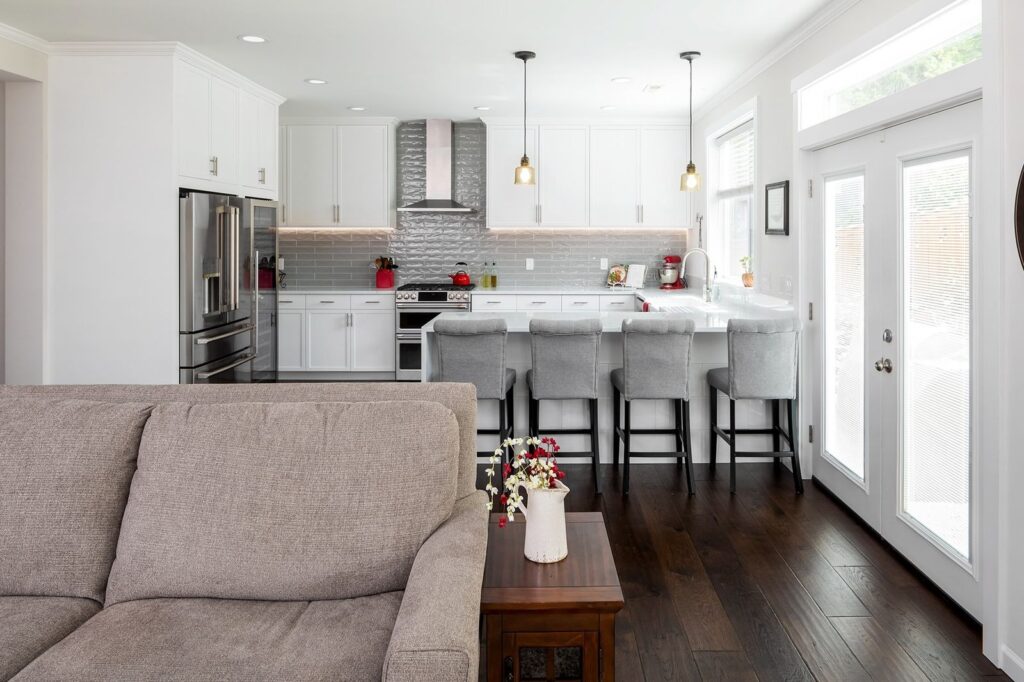
Most Seattle homeowners who decide to do a whole house remodel have already done one room. Or two. They’ve renovated the kitchen, then watched the rest of the house look more dated by comparison. They’ve redone the primary bathroom and started noticing how tired the hallway feels. And at some point, the incremental approach stops making sense.
A whole house remodeling project in Seattle, WA is a different undertaking than stringing together individual room renovations. It involves parallel planning across multiple systems, a comprehensive look at the existing structure rather than a room-by-room assessment, and a single coordinated construction sequence that’s far more efficient than repeated single-room projects.
It also involves a specific set of discoveries and challenges that are particular to Seattle’s housing stock — the older craftsman homes in Ballard and Fremont, the mid-century ranches in Shoreline and the Rainier Valley, the split-levels and colonials from the 1970s and 1980s throughout the city’s neighborhoods. This post is about what those discoveries actually are, how to plan for them, and what whole house remodeling in Seattle looks like when it’s done right.
What Seattle’s Older Housing Stock Actually Contains
The History Every PNW Home Carries
Seattle receives over 37 inches of rain annually, and most of that arrives during the long wet season that runs from October through April. Homes that have stood through 40, 50, or 70 of those wet seasons carry a history in their walls, their crawl spaces, their attics, and their mechanical systems.
That history isn’t always damage — many Seattle homes are structurally sound despite their age. But it’s rarely neutral. Insulation from the 1970s has compressed and degraded. Vapor barriers in crawl spaces, if they existed at all, have deteriorated. Galvanized plumbing supply lines have narrowed with mineral deposits. Electrical systems from the 1950s and 1960s have wire that’s aged, panels that are undersized, and configurations that were designed for households with a fraction of the electrical load of today’s homes.
A whole house remodeling project in Seattle, WA that addresses only the visible surfaces — the finishes, the cabinets, the floors — without attending to the mechanical and structural systems underneath them is an expensive missed opportunity.
The Crawl Space Issue That Affects Everything
In Seattle’s housing stock, the crawl space is often where the most significant unaddressed issues live. Ground moisture in a crawl space with an inadequate vapor barrier turns the space into a year-round humidity source that affects every room above it. Floors above a moisture-laden crawl space feel cold and slightly soft. Hardwood flooring above a wet crawl space cups and buckles. Subfloor connections between rooms telegraph movement.
During a whole house remodel in Ballard or Shoreline, opening the crawl space for inspection is standard practice. What gets found — deteriorated insulation, standing moisture, pest evidence, inadequate venting — defines a scope of work that needs to happen before any finish work in the rooms above.
Planning a Whole House Remodel in Seattle
The Pre-Construction Assessment
Before committing to a full-scope budget, a proper whole house remodel starts with a thorough pre-construction assessment. This means a contractor walking the entire house — every room, the attic, the crawl space, the mechanical rooms — and developing a clear picture of what exists before anything gets designed.
This assessment often reveals the sequencing logic for the project. In a Fremont craftsman, for example, the assessment might reveal that the roof is near end of life (handle it now, not later), the crawl space needs full encapsulation, and the electrical panel needs to be upgraded to accommodate the modern kitchen being planned. All of those items affect the timeline and budget even before any visible remodeling work begins.
Homeowners who skip this step start projects with incomplete information, and incomplete information is how budgets get blown.
Scope Prioritization
Whole house remodeling in Seattle doesn’t have to mean equal investment in every room. In practice, most homeowners prioritize kitchen and primary bathroom most highly — these spaces have the greatest daily impact on livability and the strongest effect on resale value. Secondary bathrooms, bedrooms, and living spaces often receive quality updates at a lower per-square-foot investment.
The mechanical systems — electrical, plumbing, insulation — don’t have a visible impact on aesthetics, but they have an enormous impact on how the home performs and how long the cosmetic work lasts. In Seattle’s climate, underinvesting in moisture management during a whole house remodel is a decision that tends to reveal itself painfully within a decade.
The Construction Sequence for a Seattle Whole House Remodel
Phase 1: Structural and Mechanical
The first phase of construction addresses everything that happens before drywall closes the walls back up. Structural repairs, new plumbing runs, electrical upgrade and rewiring, HVAC improvements, window replacements, and insulation all happen in this phase.
This is the most disruptive phase of the project. The house looks like a construction site — walls open, subfloor exposed, mechanical equipment in transition. For homeowners who are living in the house during the project, this period is the most challenging.
It’s also the phase where discoveries get made and scope adjustments happen. In Seattle homes of any age, something almost always gets found during this phase that wasn’t visible from the surface.
Phase 2: Drywall and Rough Finish
After rough-in inspections pass and mechanical work is complete, the walls get closed up. New drywall goes up throughout the house, is taped and finished, and prepared for paint. This phase is when the house starts looking like a house again rather than a construction zone.
Phase 3: Finish Work
Cabinetry installation, countertop templating, flooring, tile, fixtures, and final paint happen in the finish phase. This is the visible transformation — the phase that produces the before-and-after photos. In Seattle homes, the finish phase typically runs four to eight weeks depending on scope.
Phase 4: Punch List and Final Systems
Every project ends with a punch list. Final adjustments, touch-ups, hardware installation, and the small items that get addressed after all systems are functional. A thorough punch list process is the sign of a contractor who cares about quality rather than just completion.
Why Seattle Experience Matters at This Scale
Greater Seattle Remodeling specializes in whole-house projects throughout Seattle — Ballard, Fremont, Shoreline, Capitol Hill, and across the city’s neighborhoods. At this scale, the contractor’s knowledge of local building practices, permit processes, and the specific challenges of Seattle-area housing stock determines how well the project runs from start to finish.
When you’re ready to have a realistic conversation about whole house remodeling in Seattle, start with the pre-construction assessment. It’s the foundation that every good project is built on.
Frequently Asked Questions
How long does a whole house remodel take in Seattle, WA?
Most whole-house remodels in Seattle run five to ten months from permit issuance through final punch list. Scope significantly affects the timeline — projects that include extensive structural or mechanical work run at the longer end. Your contractor should provide a project-specific schedule before work begins.
Can I live in my Seattle home during a whole house remodel?
It depends on the scope and phasing. Projects that can maintain a functional kitchen and bathroom throughout the rough-in phase are more livable. Full gut renovations where the kitchen and bathrooms are simultaneously out of service make staying in the home much more challenging. Many Seattle homeowners arrange temporary accommodations during the most intensive construction phases.
What’s the biggest financial mistake homeowners make in Seattle whole house remodels?
Underbudgeting for mechanical and structural systems in favor of higher finish budgets. The crawl space encapsulation, the electrical panel upgrade, the insulation — these don’t produce Instagram photos, but they’re what makes the finish work last. In Seattle’s wet climate, skimping on moisture management is particularly costly over time.
How do permits work for a whole house remodel in Seattle?
A comprehensive whole house remodel requires multiple permits — structural, mechanical, electrical, plumbing — submitted through SDCI. Current plan review timelines vary by project complexity. Building permit timelines into the project start date is essential; expecting construction to begin immediately after contracting is unrealistic.
What’s the return on investment for a whole house remodel in Seattle?
Seattle’s real estate market strongly rewards well-executed whole house remodels, particularly in desirable neighborhoods like Ballard, Fremont, and Capitol Hill. The combination of livability improvement and market value increase is difficult to quantify precisely but is consistently positive in Seattle’s market. The strongest returns come when the remodel addresses both visible finishes and underlying mechanical systems — buyers and appraisers recognize the difference.