How Poor Hygiene Attracts Fleas and Birds to Your Property
Keeping a property clean is about more than appearance, it plays a vital role in preventing pest infestations. Poor hygiene creates the perfect environment for unwanted pests, including fleas and birds, by providing easy access to food, water, and shelter. Once these pests settle in, they can quickly become difficult to remove and may pose health risks to your family, pets, or employees.
Whether you own a home or manage a commercial building, maintaining good hygiene is one of the most effective ways to discourage infestations. If pests have already become established, professional Flea Pest Control services can help eliminate fleas before they spread throughout your property.
Why Hygiene Matters in Pest Prevention
Pests are constantly searching for environments that meet their basic survival needs:
- Food
- Water
- Shelter
- Safe nesting areas
Poor cleaning habits unintentionally provide all of these essentials. Leftover food, overflowing rubbish bins, damp areas, and clutter make a property highly attractive to both fleas and birds.
Regular cleaning and maintenance significantly reduce the chances of pests settling in.
How Poor Hygiene Attracts Fleas
Although fleas are commonly associated with cats and dogs, they don’t simply remain on pets. Once introduced into a property, they quickly spread into carpets, upholstery, bedding, rugs, and cracks in flooring.
Poor hygiene speeds up this process by creating ideal breeding conditions.
Common Hygiene Problems That Encourage Fleas
Dirty Pet Bedding
Pet beds collect:
- Hair
- Skin flakes
- Flea eggs
- Flea larvae
Without frequent washing, these materials become ideal flea breeding sites.
Infrequent Vacuuming
Vacuuming removes:
- Adult fleas
- Eggs
- Larvae
- Organic debris
Ignoring carpets for weeks allows flea populations to grow unnoticed.
Cluttered Rooms
Boxes, stored clothing, unused furniture, and clutter create dark, undisturbed spaces where flea larvae can develop safely.
Dirty Soft Furnishings
Sofas, rugs, curtains, and cushions often trap flea eggs.
Regular cleaning prevents infestations from becoming established.
How Birds Are Attracted to Untidy Properties
Birds naturally search for locations that provide food, water, and secure nesting opportunities.
Properties with poor maintenance often become ideal habitats.
Overflowing Rubbish Bins
Food waste attracts pigeons and other urban birds.
Open bins containing:
- Leftover meals
- Bread
- Fruit
- Fast-food packaging
provide a reliable food source that encourages birds to return repeatedly.
Food Left Outdoors
Birds quickly learn where food is available.
Common attractants include:
- Pet food bowls
- Outdoor dining leftovers
- Garden bird seed
- BBQ waste
Even small food scraps can attract large numbers of pigeons over time.
Standing Water
Birds require fresh water for drinking and bathing.
Standing water may collect in:
- Blocked gutters
- Buckets
- Plant trays
- Bird baths
- Leaking outdoor taps
Eliminating unnecessary water sources makes your property less attractive.
Untidy Roof Areas
Roof spaces often provide ideal nesting sites.
Birds favour:
- Broken roof tiles
- Damaged gutters
- Solar panel gaps
- Loft openings
- Chimneys
Routine maintenance prevents birds from establishing permanent nests.
Hidden Health Risks of Fleas and Birds
Poor hygiene doesn’t just attract pests, it can also increase health risks.
Flea-Related Risks
Fleas may cause:
- Painful bites
- Allergic skin reactions
- Secondary skin infections
- Tapeworm transmission to pets
- Sleep disruption
Persistent flea infestations often affect both pets and humans.
Bird-Related Risks
Bird droppings can contain harmful bacteria and fungi.
Large bird populations may contribute to:
- Respiratory problems
- Contaminated outdoor surfaces
- Slip hazards
- Parasites such as mites
- Property damage
Accumulated droppings also create unpleasant odours and accelerate building deterioration.
Poor Hygiene Can Create a Continuous Pest Cycle
One pest problem often leads to another.
For example:
- Food waste attracts birds.
- Birds leave nesting materials.
- Nesting materials attract insects.
- Fleas feed on nearby animals.
- More pests arrive due to increased food availability.
Breaking this cycle requires consistent cleanliness and prompt pest management.
Signs Your Property Is Becoming Attractive to Pests
Watch for these early warning signs:
Fleas
- Pets scratching excessively
- Small bites around ankles
- Tiny jumping insects
- Flea dirt on pet bedding
Birds
- Frequent pigeon activity
- Nesting materials on roofs
- Large amounts of droppings
- Constant bird noise
- Feathers around gutters
Identifying these signs early allows faster intervention.
Hygiene Tips That Help Prevent Fleas and Birds
Simple daily habits can make a significant difference.
Clean Indoor Areas
- Vacuum carpets weekly.
- Wash pet bedding regularly.
- Clean upholstered furniture.
- Remove clutter.
- Mop hard floors frequently.
Keep Outdoor Areas Tidy
- Empty bins regularly.
- Use sealed rubbish containers.
- Remove food waste immediately.
- Clear fallen fruit from gardens.
- Trim overgrown vegetation.
Maintain Buildings
Inspect your property for:
- Roof damage
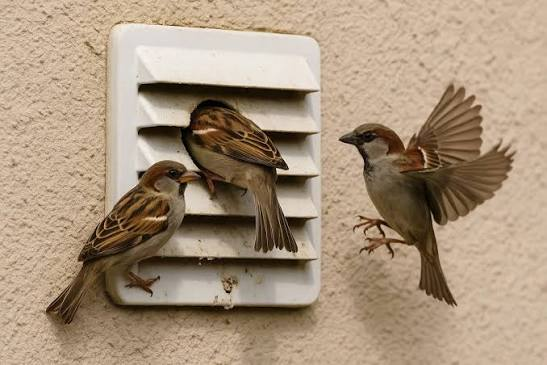
- Broken vents
- Leaking gutters
- Cracked walls
- Gaps around windows
Proper maintenance reduces nesting opportunities.
Why DIY Prevention Sometimes Falls Short
Cleaning alone cannot eliminate established infestations.
For example:
- Flea eggs remain hidden deep within carpets.
- Bird nests often occupy inaccessible roof spaces.
- Parasites may continue breeding even after visible pests disappear.
Without addressing the source of the infestation, pests frequently return.
The Importance of Professional Pest Management
If flea or bird activity continues despite maintaining good hygiene, professional treatment becomes the most effective solution.
Experienced specialists use targeted methods to eliminate infestations while reducing the likelihood of future problems.
Professional Pigeon Control services can safely manage bird populations using humane and effective solutions such as proofing, deterrents, and nest management. Combined with expert flea treatments, this provides comprehensive protection for both residential and commercial properties.
Long-Term Prevention Starts with Good Hygiene
Maintaining a clean property is one of the simplest and most cost-effective ways to reduce pest problems.
Good habits include:
- Regular deep cleaning
- Proper rubbish disposal
- Routine property inspections
- Prompt repairs
- Responsible pet care
- Safe food storage
Consistency is the key to preventing infestations before they begin.
Final Thoughts
Poor hygiene creates an inviting environment for fleas and birds by supplying the food, water, and shelter they need to survive. Once established, these pests can affect health, damage property, and become increasingly difficult to remove.
Fortunately, many infestations can be prevented through regular cleaning, proper waste management, routine maintenance, and early detection. Keeping both indoor and outdoor areas clean not only discourages pests but also creates a healthier, safer, and more comfortable environment for everyone.
If hygiene improvements alone are not enough to resolve the problem, seeking professional pest management ensures infestations are addressed thoroughly and helps prevent them from returning in the future.