What are the benefits of home insulation?
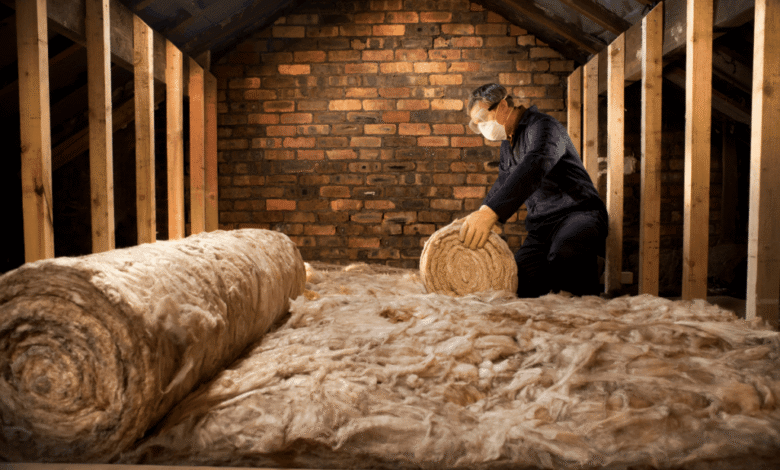
Home insulation is one of the most effective ways to improve the comfort and energy efficiency of your property. Whether you live in a modern home or an older house, good insulation helps to reduce heat loss, making it easier to maintain a comfortable indoor temperature throughout the year. But what are the benefits of home insulation? And why should you consider hiring a professional team for home insulation installation?
Lower energy bills
One of the biggest benefits of home insulation is that it can reduce heating costs. When your home is properly insulated, less heat escapes through the roof, walls and floors. This means your heating system does not have to work as hard to keep your home warm.
The amount you can save depends on factors such as the size of your property, the type of insulation installed and your heating habits. However, improving insulation is widely recognised as one of the most effective ways to reduce household energy use.
A warmer and more comfortable home
Good insulation helps to keep warm air inside during the colder months. This creates a more consistent indoor temperature and reduces cold spots around the home.
Rooms that once felt chilly can become much more comfortable, while draughts are often reduced when insulation is combined with draught-proofing measures.
In the summer, insulation can also help slow the movement of heat into the property, making some homes feel cooler during warmer weather.
Improved energy efficiency
A well-insulated home uses less energy to maintain a comfortable temperature. This improves the property’s overall energy efficiency and can contribute to a better Energy Performance Certificate (EPC) rating.
Improving energy efficiency is beneficial for both homeowners and buyers, as energy-efficient properties are often more attractive in the housing market.
Reduced carbon emissions
Using less energy for heating also means producing fewer carbon emissions. As many UK homes still rely on gas or other fossil fuels for heating, reducing energy demand can have a positive environmental impact.
Although insulation alone will not eliminate a home’s carbon footprint, it is an important step towards making a property more sustainable.
Better temperature control throughout the year
Insulation does more than simply keep homes warm in winter. It helps regulate indoor temperatures throughout the year by slowing the movement of heat.
This means:
Homes stay warmer during colder weather.
Indoor temperatures remain more stable.
Heat enters the home more slowly during warmer periods.
The result is a living environment that feels comfortable in every season.
Less strain on your heating system
When heat is retained more effectively, your boiler or heating system does not need to run as frequently to maintain the desired temperature.
This can improve the overall efficiency of your heating system and may help reduce wear over time, particularly during the colder months when heating demand is highest.
Reduced condensation and damp risks
When installed correctly and combined with good ventilation, insulation can help reduce condensation by keeping internal surfaces warmer.
Warm walls and ceilings are less likely to collect moisture from the air, helping to create a healthier indoor environment. However, it is important that insulation is suitable for the property and installed correctly, particularly in older homes where breathability and ventilation should always be considered.
A quieter home
Some types of insulation also provide soundproofing benefits. Materials such as mineral wool can help reduce the amount of noise that travels through walls, floors and ceilings.
While insulation is not a replacement for dedicated acoustic products, it can contribute to a quieter and more peaceful home.
Long-term value
Although installing insulation requires an initial investment, the benefits continue for many years. Lower energy bills, improved comfort and increased energy efficiency can all add long-term value to a property.
Many forms of insulation require very little maintenance once installed, making them a practical home improvement with lasting results.
Choosing the right insulation
Different homes require different types of insulation. The best solution will depend on the age, construction and condition of the property.
Common options include:
- Loft insulation
- Cavity wall insulation
- Internal wall insulation
- Floor insulation
- Pipe and hot water cylinder insulation
A professional assessment can help identify which improvements will provide the greatest benefit for your home, and professional installation from a trusted team will ensure that your insulation is well-suited to your requirements.
Conclusion
Home insulation offers a wide range of benefits, from reducing heat loss and lowering energy bills to improving comfort and increasing energy efficiency. It can also help reduce carbon emissions, support better temperature control throughout the year and create a more pleasant living environment.
Whether you are upgrading a newer property or improving an older home, insulation is one of the most effective ways to make your home warmer, more efficient and more comfortable for years to come.