DIY Hair Remedies: Common Side Effects and Safety Tips
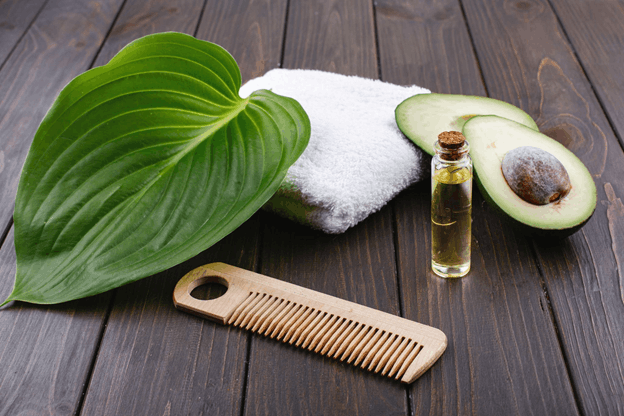
Most of us have tried at least one DIY hair remedy at some point — coconut oil overnight, an egg mask, maybe some onion juice after reading about it online. These feel safe because they’re natural, and that logic makes sense. But natural doesn’t always mean harmless, especially when it comes to something as sensitive as your scalp.
When “Natural” Gets Complicated
The idea that home remedies are automatically gentle is one of the most common misconceptions in hair care. Your scalp has its own pH balance, an active microbiome, and sebaceous glands that can be disrupted pretty easily. Certain ingredients — even ones that have been used traditionally for centuries — can trigger reactions when used incorrectly, too frequently, or on the wrong scalp type.
This isn’t about scaring you away from home remedies. It’s about understanding what you’re actually putting on your scalp and why the outcome isn’t always what you expected.
Onion Juice: The Popular One With a Catch
Onion juice became a widely discussed remedy for hair thinning, largely because of its sulfur content, which is believed to support keratin production. Some people do report reduced shedding with regular use. But the experience isn’t the same for everyone.
The side effects of onion juice on hair are more common than most articles mention — scalp irritation, redness, a burning sensation, and in some cases, contact dermatitis. People with sensitive skin or an already-inflamed scalp tend to be at higher risk. The acidic nature of raw onion juice can disrupt the scalp’s natural barrier, especially with repeated use. This doesn’t mean you should never try it, but applying it diluted and doing a patch test first is genuinely important, not just a disclaimer.
Eggs, Oils, and Protein Overload
Egg masks are another popular remedy, often recommended for strength and shine. Eggs are high in protein, and hair is mostly made of protein — so the reasoning seems solid. But there’s a concept called protein overload that most people don’t know about.
When you apply too much protein to your hair too frequently, it can make the strands stiff, brittle, and more prone to breakage — the exact opposite of what you wanted. This is especially true for people who already have low-porosity hair, where the cuticle is tightly packed and doesn’t absorb moisture easily. Egg masks once a week on already-protein-sensitive hair can quietly worsen breakage over time.
Similarly, heavy oils like castor oil are often applied in thick layers daily. While castor oil does have some benefits, excessive use can clog follicles and create a buildup that suffocates the scalp rather than nourishing it.
The Overuse Problem
There’s a pattern that runs through most DIY hair care gone wrong — overuse. When people don’t see quick results, they tend to apply more, or more often. The logic feels right, but hair doesn’t work that way. Hair growth is a slow biological process. It takes months, not days, to see meaningful change.
Using any ingredient beyond what the scalp can tolerate creates cumulative irritation. Lemon juice left on too long can lighten hair and cause dryness. Fenugreek paste applied too frequently can cause scalp odor and occasionally trigger allergic reactions in sensitive individuals. Even aloe vera, which is genuinely soothing, can cause irritation for people with latex sensitivity.
Practical Tips for Safer Use
If you do want to try home remedies, a few simple principles can reduce the risk of a bad outcome:
- Always do a patch test 24 hours before applying anything new to your scalp
- Dilute strong ingredients like onion juice, lemon, or apple cider vinegar before use
- Limit oil-heavy treatments to once a week, and wash out thoroughly
- Avoid using multiple new ingredients at the same time — you won’t know what caused a reaction
- If your scalp is already irritated, inflamed, or flaking, pause all DIY treatments until it settles
Understanding What Your Hair Actually Needs
One thing DIY remedies tend to miss is the underlying cause of the problem. Most people dealing with consistent hair fall are experiencing it because of internal factors — hormonal shifts, nutritional deficiencies, stress response, or scalp health issues — not a lack of onion juice or eggs.
Traya is one platform that approaches hair loss through a combination of health science and dermatology, focusing on identifying the root cause rather than applying topical fixes. That approach matters because most DIY remedies only work on the surface.
Final Thoughts
Home remedies aren’t inherently bad. Some of them have real, if modest, benefits. The problem is the assumption that they’re risk-free simply because they come from your kitchen. Your scalp deserves the same thoughtfulness as your skin — patch testing, moderation, and paying attention to how it responds. If something is making your scalp itch, burn, or shed more, that’s information worth listening to.