Why People Become Obsessed With Pickleball
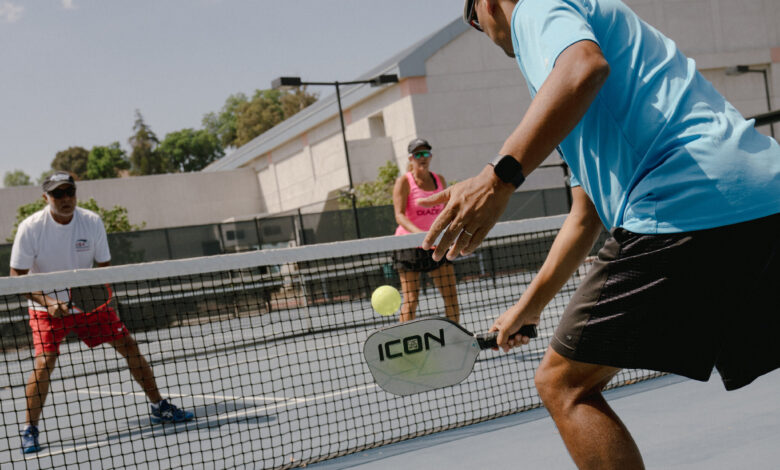
If you have driven past a local community park or sports complex recently, chances are you have heard a very distinct, unmistakable sound: the rhythmic, hollow pop-pop of a perforated plastic ball making contact with a composite paddle. Pickleball has officially transcended its status as a quirky backyard novelty to become a massive cultural phenomenon. But it is more than just a growing demographic statistic; it is an absolute obsession. What frequently starts as a casual weekend invitation from a neighbor almost inevitably morphs into a full-scale lifestyle transformation. People are not just playing pickleball casually; they are structuring their entire social calendars, weekend travel, and fitness goals around court availability. Why does this sport turn casual participants into absolute fanatics overnight?
The Instant Gratification of the Learning Curve
One of the primary catalysts for the widespread pickleball obsession is the brilliant layout of its learning curve. Most traditional racquet sports demand a grueling, often discouraging introductory period. If you decide to pick up tennis or golf for the first time, you can generally expect weeks or even months of intense frustration before you can sustain an entertaining rally or hit a consistently straight drive.
Pickleball completely flips this script. Because the court is compact, the paddles act as natural extensions of the hand, and the plastic ball travels at a highly manageable pace, the barrier to entry is virtually nonexistent. A complete novice can step onto the court, understand the fundamental rules, and participate in genuinely competitive, thrilling rallies within their first half-hour of play. This immediate sense of achievement provides an instant dopamine hit, removing the usual friction of learning something new and leaving players eager to return the very next day.
The Social Chemistry of “The Kitchen”
Beyond the mechanics of the game, pickleball serves as an unmatched social catalyst. The physical dimensions of the court play a massive role in building these dynamic relationships. Because a pickleball court is roughly one-third the size of a standard tennis court, all four players are placed in close physical proximity. The vast majority of the game is played as doubles, and the defining strategic battles occur at the “kitchen” line—the non-volley zone situated just seven feet from the net.
Standing face-to-face with your opponents only fourteen feet away creates an intimate environment that naturally encourages conversation, laughter, and lighthearted banter mid-game. Unlike isolating modern gym routines or intensely distant sports, pickleball breaks down social barriers. It creates an open, welcoming environment where strangers rapidly transition into close friends, fulfilling a deep cultural craving for real-life community connection.
The Joy of “Sneaky Fitness”
Another reason people find themselves hopelessly hooked is the concept of “sneaky fitness.” Maintaining a traditional workout regimen can frequently feel like an uninspiring chore, leading to inevitable burnout. Pickleball offers an exhilarating alternative. A typical two-hour session of intermediate play involves near-constant lateral movement, rapid reflex adjustments, and thousands of accumulated steps.
Yet, because the human brain is entirely engaged in the immediate strategy of the rally, players rarely notice the physical exertion while it is happening. It is exercise disguised as pure play. Furthermore, the sport’s low-impact nature means it delivers excellent cardiovascular benefits without the grueling wear-and-tear on the body. It minimizes joint strain, making it a highly sustainable lifelong hobby for retirees and young athletes alike.
From Recreational Dinks to Elite Competition
While the game is incredibly easy to learn, it possesses a deceptively high skill ceiling that keeps competitive spirits thoroughly engaged. The strategic depth of pickleball—balancing delicate, tactical “dink” shots with sudden, powerful baseline drives—requires intellectual focus and sharp muscle memory.
As players progress from beginners to intermediates, their appetite for competition naturally intensifies. They begin monitoring professional tours, studying complex strategies, and analyzing the masterclass athletic performances showcased at the world pickleball championship. Witnessing the elite level of play creates an aspirational pathway, inspiring everyday recreational players to continuously refine their spin, defensive positioning, and court awareness. There is always a new shot to master, keeping the game perpetually fresh.
A Lifelong Obsession
Ultimately, the global obsession with pickleball is no passing fad or temporary trend. It is a direct response to a modern need for authentic human connection, accessible physical health, and unadulterated entertainment. The sport beautifully bridges generations, bringing grandparents and grandchildren together on the exact same court. It levels the playing field, celebrates camaraderie over cutthroat hostility, and delivers genuine joy to anyone who picks up a paddle. If you have yet to step onto the hardcourt and experience it for yourself, consider this a fair warning: that initial, innocent game might just be the catalyst for your next lifelong obsession.