What City Wildlife Can Teach Us About Adapting to Modern Life
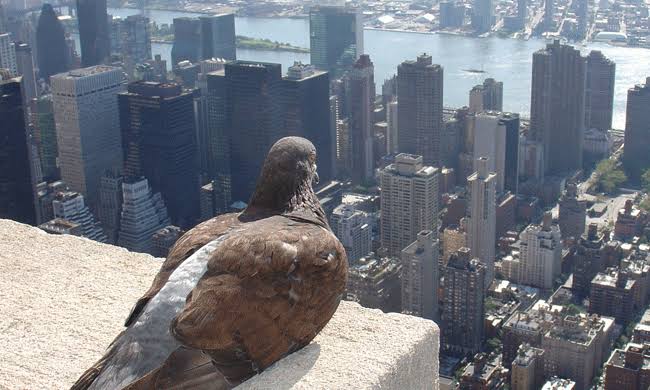
City wildlife has adapted quickly to millions of people living alongside it, changing diet, timing and even body shape to cope with concrete instead of countryside. Foxes that would once have hunted rabbits at dusk now work bins and takeaway wrappers on a schedule built around bus routes and closing times. Gulls that nested on coastal cliffs now raise chicks on flat roofs above a high street. None of this happened because anyone planned it. Certain animals kept trying slightly different approaches until something worked, and the ones that worked spread through the population.
That process has something to say to people making their way through a fast-changing environment of their own, whether that means a new job, a house move or simply a routine that no longer fits the life a person actually leads. Wildlife does not adapt by abandoning everything it knows. It keeps the instincts that still work and adjusts only the parts that clearly do not, which is a more useful model for change than starting again from nothing.
Pigeons as the Clearest Case Study
Understanding how long do pigeons live in a city compared with a rural dovecote helps explain why urban flocks often look scruffier but persist in far greater numbers. City pigeons face traffic, pollution and a less varied diet, all of which shorten an individual bird’s life compared with one kept in a managed loft with proper feed and shelter. What keeps the population thriving anyway is sheer adaptability rather than individual longevity, since pigeons will nest on almost any ledge that resembles a cliff.
Foxes Are Rewriting Their Own Biology
A fox does not need to outrun a rabbit if its main food source is a bin bag left out overnight, and that basic change in lifestyle has left a physical mark on the species. Research comparing fox skulls from London and the surrounding countryside found that city foxes have developed smaller brains and shorter, wider snouts suited to scavenging rather than chasing live prey. The change happened over a relatively small number of generations, showing how quickly an animal’s body can follow its behaviour once a new way of finding food becomes reliable.
What Makes Some Species So Adaptable
The animals that thrive alongside people tend to share a few traits rather than one single trick. Most are flexible eaters that will not starve if their preferred food disappears for a season, and most will nest or den somewhere unfamiliar if the usual option is not available. Feral pigeons show this well, spreading from a small number of escaped birds to being found on every continent except Antarctica, while their wild ancestor survives only on remote coastal cliffs. Boldness matters too, since an animal that panics at every car will struggle to feed itself in a city centre for long.
The Lesson for Anyone Facing Change
People adjusting to a new job, city or life stage often assume they need to reinvent themselves completely to cope, when the more reliable approach looks a lot like what city wildlife has already worked out. Keep the habits and instincts that still serve a purpose, change only the things that no longer fit, and stay alert to genuine risks without treating every unfamiliar situation as one. A move that feels overwhelming at first usually only requires a handful of real adjustments.