Choosing the Right Steel Pipe for Modern Infrastructure Projects
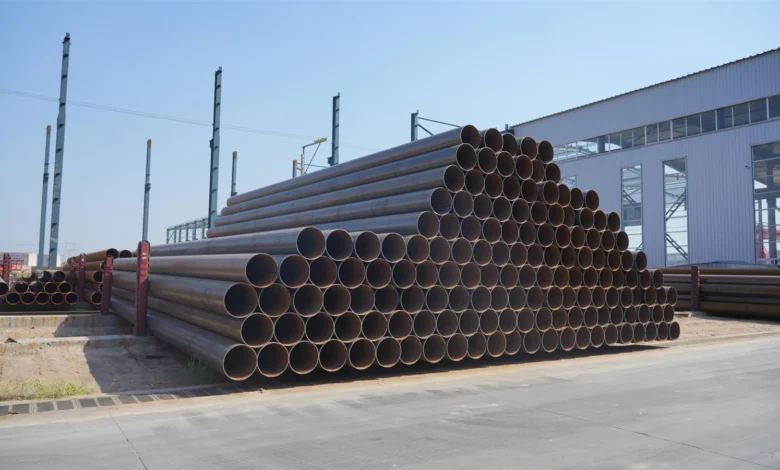
Modern infrastructure depends on materials that can withstand pressure, environmental challenges, and decades of continuous use. Whether it’s a high-rise building, an oil pipeline, a municipal water network, or a large industrial facility, Steel Pipe plays a critical role in ensuring strength, safety, and long-term performance.
Choosing the right steel pipe is not simply about selecting the correct diameter. Engineers, contractors, and project managers must evaluate factors such as material grade, manufacturing standards, corrosion resistance, operating conditions, and project-specific requirements. Making the right choice at the planning stage can reduce maintenance costs, improve operational efficiency, and extend the lifespan of an entire infrastructure system.
Why Steel Pipes Remain the Preferred Choice
Steel pipes have earned their reputation because they offer exceptional mechanical strength, versatility, and durability. Unlike many alternative materials, steel performs well under both high pressure and extreme temperatures while maintaining structural integrity.
Key advantages include:
- High tensile and yield strength
- Excellent pressure-handling capabilities
- Long service life
- Resistance to impact and heavy loads
- Compatibility with protective coatings
- Wide availability in different grades and specifications
- Recyclable and environmentally responsible
These qualities make steel pipes suitable for demanding infrastructure projects where reliability cannot be compromised.
Steel Pipes in Construction Projects
Construction remains one of the largest consumers of steel pipes worldwide. From commercial buildings to industrial facilities, steel pipes provide essential support for both structural and utility systems.
Common construction applications include:
- Building frameworks
- Foundation piling
- HVAC systems
- Fire protection pipelines
- Mechanical services
- Bridge construction
- Underground utility networks
Structural steel pipes are especially valued because they provide excellent load-bearing capacity while allowing architects greater flexibility in modern building designs.
The correct wall thickness and steel grade ensure that buildings remain stable under varying environmental conditions, including wind loads, seismic activity, and heavy occupancy.
Supporting the Oil and Gas Industry
Few industries place greater demands on piping systems than oil and gas.
Steel pipes transport crude oil, natural gas, refined petroleum products, and industrial chemicals across long distances under extremely high pressure. These environments require materials capable of handling corrosive substances, temperature fluctuations, and mechanical stress.
Important considerations include:
- High-pressure resistance
- Corrosion protection
- Weld quality
- Material certification
- Compliance with international industry standards
Seamless steel pipes are commonly selected for critical applications because they eliminate welded joints, reducing potential weak points in high-pressure systems.
Proper pipe selection directly impacts operational safety, environmental protection, and maintenance costs throughout the pipeline’s lifecycle.
Reliable Water Distribution Systems
Water infrastructure is another area where steel pipes continue to deliver outstanding performance.
Municipal water systems require pipelines that can safely transport drinking water while maintaining structural integrity for decades. Steel pipes are also widely used in wastewater treatment plants, irrigation projects, hydroelectric facilities, and industrial water systems.
Benefits include:
- High durability
- Excellent flow capacity
- Strong resistance to external loads
- Compatibility with protective internal linings
- Long operational lifespan
Protective coatings and galvanization further improve corrosion resistance, making steel pipes suitable for underground installations and challenging environmental conditions.
As cities continue expanding, dependable water infrastructure becomes increasingly important, making steel pipe selection a major factor in project success.
Structural Engineering Applications
Structural engineers frequently specify steel pipes because of their excellent strength-to-weight ratio.
Round steel sections distribute loads efficiently while minimizing material usage. This combination improves both structural performance and construction efficiency.
Typical structural applications include:
- Stadiums
- Airports
- Warehouses
- Industrial plants
- Communication towers
- Offshore platforms
- Large-span roofs
Steel pipe structures can withstand dynamic loads while maintaining stability over many decades with proper maintenance.
Factors to Consider Before Selecting Steel Pipes
Every infrastructure project presents unique engineering requirements. Selecting the correct steel pipe involves balancing performance, cost, and environmental conditions.
1. Material Grade
Different steel grades offer varying mechanical properties.
Higher-strength grades may be required for pressure systems, while standard structural grades may be sufficient for building applications.
Always ensure the selected material complies with project specifications and applicable standards.
2. Pipe Manufacturing Method
Steel pipes are generally manufactured as:
- Seamless pipes
- Welded pipes
- ERW (Electric Resistance Welded) pipes
- Spiral welded pipes
Each manufacturing process offers different advantages depending on pressure requirements, pipe diameter, and intended application.
3. Corrosion Resistance
Infrastructure projects often expose pipes to moisture, chemicals, and harsh weather conditions.
Protection options include:
- Hot-dip galvanizing
- Fusion bonded epoxy coatings
- Polyethylene coatings
- Internal cement lining
- Cathodic protection systems
Selecting appropriate corrosion protection significantly extends service life.
4. Operating Pressure
Pressure ratings must match the expected operating conditions.
Undersized or improperly specified pipes can increase the risk of leaks, failures, and expensive repairs.
Engineering calculations should account for both normal operating pressure and potential pressure surges.
5. Temperature Conditions
Projects involving steam, industrial processing, or energy production often operate at elevated temperatures.
Steel grades should be selected according to expected thermal expansion, pressure, and temperature limits.
6. Compliance with Standards
Quality steel pipes should meet recognized international standards such as:
- ASTM
- API
- ASME
- ISO
- EN standards
Certified products provide greater confidence in manufacturing quality and performance consistency.
The Importance of Quality Manufacturing
The quality of steel pipe manufacturing directly affects long-term infrastructure reliability.
Reputable manufacturers invest heavily in:
- Advanced production technology
- Automated welding systems
- Non-destructive testing
- Chemical composition analysis
- Mechanical testing
- Dimensional inspection
- Traceability systems
Consistent quality control minimizes defects and ensures every pipe meets required engineering specifications.
Sustainability in Modern Infrastructure
Sustainability has become a priority for governments and private developers alike.
Steel contributes positively to sustainable construction because it is one of the world’s most recycled materials. Many steel pipes contain recycled content while remaining fully recyclable at the end of their service life.
Long service life also reduces replacement frequency, lowering the environmental impact associated with manufacturing and transportation.
Combined with modern protective coatings, steel pipes provide durable infrastructure with reduced lifecycle costs.
Common Mistakes to Avoid
Selecting the wrong steel pipe can create long-term operational challenges.
Some common mistakes include:
- Choosing price over quality
- Ignoring corrosion conditions
- Using incorrect pressure ratings
- Overlooking project standards
- Selecting the wrong wall thickness
- Purchasing from uncertified manufacturers
Careful planning during the design phase helps prevent costly modifications later.
Future Trends in Steel Pipe Technology
Infrastructure projects continue evolving with advancements in engineering and manufacturing.
Current industry trends include:
- High-strength steel alloys
- Improved corrosion-resistant coatings
- Smart pipeline monitoring systems
- Automated inspection technologies
- Sustainable manufacturing processes
- Enhanced welding techniques
These innovations improve safety, reduce maintenance requirements, and increase overall system efficiency.
Conclusion
Selecting the right Steel Pipe is a fundamental decision that influences the safety, efficiency, and longevity of modern infrastructure projects. From construction and structural engineering to oil & gas operations and municipal water systems, steel pipes provide the strength and reliability needed to support today’s growing infrastructure demands.
By carefully evaluating material grade, manufacturing quality, corrosion protection, pressure requirements, and industry standards, project teams can build infrastructure that performs reliably for decades. Investing in high-quality steel pipes not only reduces maintenance costs but also contributes to safer, more sustainable, and resilient engineering solutions for the future.