Healthy Weight Gain: Why Eating More Isn’t Always Easy

Ask most people what they’d do if they needed to gain weight, and you’ll get a confident answer: just eat more. Sounds straightforward. In practice, it’s anything but. For a significant portion of the population, consistently eating enough to support healthy weight gain is a daily challenge that’s just as frustrating, and just as demanding, as trying to lose weight. The difference is that nobody talks about it that way.
If you’ve been told to “just eat more” and found that advice completely useless, this is for you.
Why Some People Struggle to Gain Weight
Not everyone’s body responds to food the same way. Genetics plays a substantial role in how efficiently you process and store calories. Your basal metabolic rate (BMR), the number of calories your body burns at rest, varies considerably from person to person, and some people simply burn more without doing anything differently.
Beyond genetics, high activity levels increase total daily energy expenditure, meaning the gap between calories burned and calories consumed can be genuinely difficult to close. Certain health conditions, including hyperthyroidism and gastrointestinal absorption issues, can compound the problem further.
The Science Behind a Fast Metabolism
Metabolic rate is influenced by factors including lean muscle mass, thyroid function, and sympathetic nervous system activity. People with a naturally higher proportion of lean mass tend to have higher resting metabolic rates. A 2014 study published in PLOS ONE found that total energy expenditure can vary by up to 600 calories per day between individuals of similar size, which goes some way toward explaining why two people eating the same diet see completely different results.
Poor appetite regulation adds another layer of difficulty. Some people experience strong satiety signals that kick in well before they’ve hit their calorie targets. Eating past the point of fullness, day after day, is uncomfortable and unsustainable without a clear strategy.
The Difference Between Healthy Weight Gain and Just Eating More
A caloric surplus is necessary for weight gain, but it’s not sufficient on its own. Where those extra calories come from determines what kind of weight you actually gain.
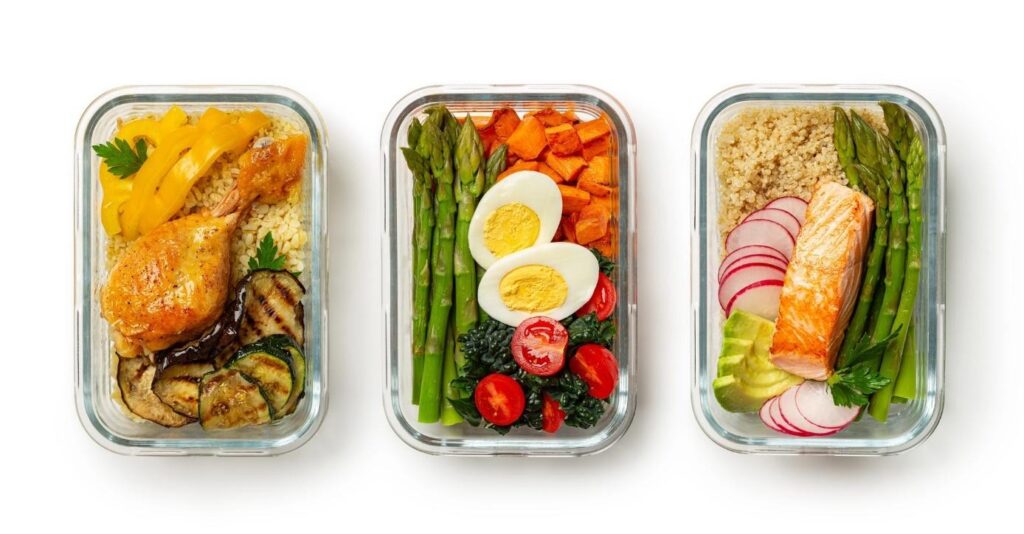
Lean Gains vs. Fat Gains: What Actually Matters
Protein is the most important macronutrient for building and preserving lean muscle mass. Carbohydrates fuel training performance and replenish muscle glycogen. Dietary fats support hormone production, including testosterone, which plays a direct role in muscle synthesis. Eating a surplus of refined sugar and ultra-processed food will technically add weight, but the majority of that will be fat rather than muscle, and the downstream effects on energy, inflammation, and metabolic health are counterproductive.
A useful benchmark: aim for 1.6 to 2.2 grams of protein per kilogram of body weight per day, a range supported by a 2017 meta-analysis by Morton et al. in the British Journal of Sports Medicine. Build the rest of your calories around whole food sources of carbohydrates and fats, and you’ll give your body the raw materials it needs to build, not just store.
Practical Nutritional Strategies for Hard Gainers
The most common stumbling block for people trying to gain weight is volume. Eating enough whole food to hit a significant calorie surplus is physically demanding when your appetite works against you.
How to Structure Your Daily Calorie Goals
Start by calculating your total daily energy expenditure using an online TDEE calculator, then add 300 to 500 calories above that number as your target surplus. From there, focus on calorie-dense whole foods that pack a lot of energy without requiring enormous portion sizes: nuts, nut butters, oats, eggs, avocados, whole milk, olive oil, and fatty fish are all practical choices.
Eating on a structured schedule matters more than eating when you feel hungry. Three main meals and two to three planned snacks give you predictable windows to hit your targets rather than relying on appetite as a guide.
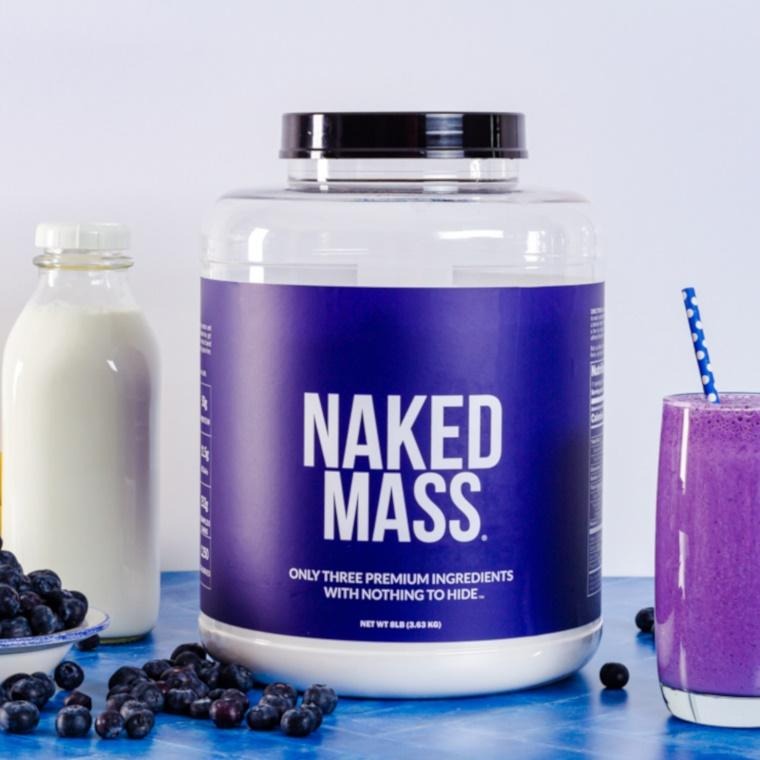
When whole food intake consistently falls short, a quality weight gainer protein powder can make a meaningful difference. A well-formulated option provides a concentrated source of protein and carbohydrates in a single serving, which is far easier to get down than an additional meal when you’re already full. This isn’t about replacing food; it’s about bridging the gap when real-world eating doesn’t reach the target.
The Role of Resistance Training in Healthy Weight Gain
Eating in a surplus without resistance training is a reliable way to gain fat. Strength training changes the equation by signalling the body to use incoming calories for muscle protein synthesis rather than fat storage.
Building a Training Plan That Supports Your Goals
Progressive overload is the core principle: systematically increasing the demands placed on the muscles over time, whether through heavier loads, more volume, or shorter rest periods. A programme built around compound movements (squats, deadlifts, rows, presses) provides the broadest stimulus for muscle growth.
Recovery is where the actual adaptation happens. Sleep is particularly important: a 2011 study in the Annals of Internal Medicine found that sleep restriction during a caloric surplus reduced the proportion of weight gained as lean mass by 55 percent. Aim for seven to nine hours. Train hard, recover harder.
Common Mistakes People Make When Trying to Gain Weight

The most consistent error is assuming that effort in the gym or good intentions around food is the same as actually eating enough. Most hard gainers, when they track calories properly for the first time, discover they’ve been eating significantly less than they thought. Consistent tracking for at least two to three weeks gives you real data to work with.
Relying on fast food and junk calories to inflate intake is the other major misstep. You’ll gain weight, but the macronutrient profile is poor, micronutrient gaps accumulate, and energy levels suffer. This tends to undermine training quality, which defeats the purpose.
Hydration and recovery are also frequently overlooked. Chronic under-hydration affects muscle function and recovery, and high stress levels elevate cortisol, a hormone that actively works against muscle protein synthesis.
Setting Realistic Expectations and Staying Consistent
Healthy lean muscle gain happens slowly. A realistic target is 0.25 to 0.5 pounds per week, which over the course of a year represents meaningful, visible progress without excessive fat accumulation. Anyone promising faster results without pharmaceutical assistance is exaggerating.
Scale weight alone is a poor progress indicator. Water retention, food volume in the gut, and day-to-day fluctuations create noise that masks real trends. Track your weight at the same time each morning, and use a weekly average. Progress photos and body measurements at regular intervals give you a clearer picture of actual body composition changes.
When progress stalls, the response is simple: reassess your calorie intake, because your maintenance level has likely increased, and review your training for opportunities to progress the load or volume.
Healthy weight gain rewards patience and consistency above all else. There are no shortcuts worth taking, but the process itself, building strength, eating well, and recovering properly, compounds into results that last.
FAQ
How many extra calories do I need to gain weight?
A surplus of 300 to 500 calories above your total daily energy expenditure is a practical starting point. This range supports lean mass gain while minimising unnecessary fat accumulation. Adjust based on your progress after four to six weeks.
Is it possible to gain weight without gaining fat?
Not entirely. Some fat gain is normal during a bulk. The goal is to minimise it by keeping the surplus moderate, prioritising protein, and training consistently with progressive overload.
How long before I see results from a weight gain programme?
Visible changes typically take eight to twelve weeks of consistent training and nutrition. Early weeks often bring strength improvements before significant changes in size appear. Stick with it.
Should I take a weight gainer if I can’t eat enough whole food?
If you’re consistently falling short of your calorie and protein targets despite effort, a weight gainer supplement is a sensible tool. Use it to supplement whole food intake, not replace it entirely.