How to Choose a Conflict Resolution Mediation Training Program: A No-Nonsense Guide for US Corporate Teams
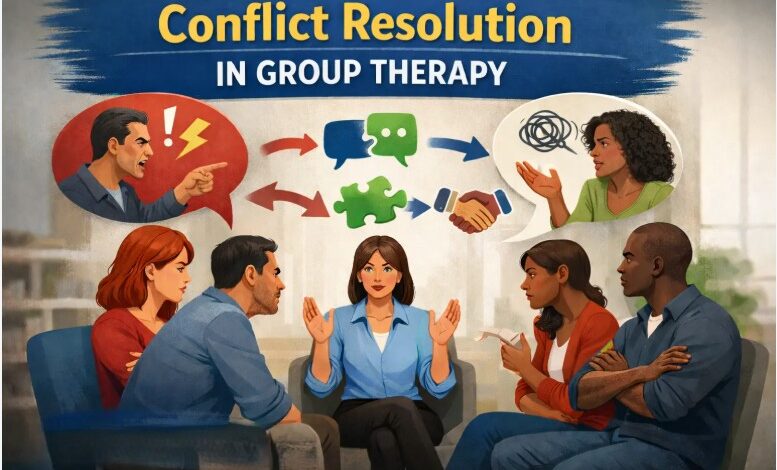
Workplace conflict is not a rare event. In most mid-size to large US organizations, disagreements between team members, departments, or management layers are a regular part of operations. What varies is how those disagreements are handled — and that gap in handling is where real organizational cost accumulates. When conflict goes unmanaged or is handled poorly, the effects show up in productivity loss, employee turnover, delayed decisions, and a gradual erosion of team trust.
The demand for structured training in this area has grown steadily, not because organizations are suddenly more interested in soft skills, but because the costs of unresolved conflict have become harder to ignore. HR leaders, operations managers, and team leads across industries are now evaluating formal training programs with the same scrutiny they apply to compliance or technical training. The question is no longer whether to invest in this type of development — it is which program actually delivers results in a corporate environment.
Understanding What Conflict Resolution Mediation Training Actually Covers
There is a significant difference between general communication training and structured conflict resolution mediation training. General communication programs focus on interpersonal skills, active listening, and presentation. Mediation training, by contrast, is a more specific discipline. It teaches participants how to enter an existing dispute as a neutral party, structure a conversation between two sides, and guide the process toward a workable resolution — without taking sides or imposing outcomes.
For corporate teams, this distinction matters because the skills required are procedural as much as they are interpersonal. Mediators need to know how to open a session, manage emotional escalation, reframe positions into interests, and document agreements that hold. A well-constructed Conflict Resolution Mediation Training guide will make this procedural foundation explicit rather than treating mediation as an extension of general people management.
Organizations evaluating programs should look closely at the curriculum structure. Does the program teach a repeatable process? Does it distinguish between facilitated dialogue and formal mediation? Does it address power imbalances between participants? These are not abstract concerns — they determine whether someone who completes the training will actually be equipped to handle a real dispute without making it worse.
The Difference Between Awareness Training and Skill-Based Training
Many programs marketed as conflict resolution training are awareness-level courses. They explain what conflict is, why it happens, and why it should be addressed. This type of content has value in broad organizational development, but it does not build the specific skills needed to conduct a mediation session.
Skill-based training requires practice. It includes role-play scenarios, feedback from trained observers, and repetition across different conflict types. A participant who completes skill-based training should be able to demonstrate competency in a controlled setting before they are expected to apply that competency in a real workplace situation. When evaluating programs, ask directly whether the training includes observed practice and structured feedback. If the answer is no, classify it as awareness training and set expectations accordingly.
Industry Context Shapes What the Training Needs to Cover
A manufacturing environment where conflicts often arise between shift supervisors and floor workers looks very different from a professional services firm where conflicts tend to emerge between project teams or client-facing staff. The underlying mediation process is the same, but the scenarios used in training, the language of the curriculum, and the types of agreements that need to be documented will differ considerably.
Programs that offer industry-specific case studies and examples tend to produce faster skill transfer than generic programs. When the scenarios feel real to participants, they engage more fully with the process and are more likely to retain and apply what they have learned. Corporate teams should ask whether the program can be customized or whether the provider has experience delivering training to organizations in their sector.
Evaluating Program Credentials and Facilitator Qualifications
The credentialing environment for mediation training in the United States is not uniformly regulated. There is no single federal licensing body for workplace mediators, which means the quality of programs varies widely. Some are built on established frameworks from professional organizations such as the Association for Conflict Resolution, which maintains standards for practitioner competency. Others are proprietary programs with no external validation.
This lack of uniform regulation puts the evaluation burden on the organization purchasing the training. The first step is to assess facilitator qualifications. Trainers should have direct experience conducting mediations in professional or organizational settings, not only in academic or theoretical contexts. Their background should be verifiable, and they should be able to speak to specific situations they have handled — including ones that were difficult or did not resolve cleanly.
Accreditation and Continuing Education Standards
Some programs are aligned with continuing education requirements for HR professionals, attorneys, or organizational development practitioners. Alignment with bodies such as SHRM or HRCI for recertification credits signals that the program has met a recognized content standard. This does not guarantee quality, but it does indicate that the curriculum has been reviewed against a published framework.
For organizations with compliance-sensitive roles, this alignment may also matter for documentation purposes. If an employee’s participation in mediation training needs to be recorded as part of a professional development plan or a response to a formal HR matter, training that carries recognized credentials is easier to justify in any subsequent review.
What Facilitator Experience Should Look Like in Practice
A facilitator with ten years of classroom instruction in conflict management is not the same as one with ten years of active mediation practice. Both have value, but the skills they bring to training delivery are different. Practitioners who have worked through real mediations — in employment disputes, team breakdowns, or organizational restructuring — can answer participant questions with specificity and grounded judgment. They can explain not just what the process says to do, but why certain moves work in practice and what happens when they do not.
Organizations should request facilitator bios in advance and review them carefully. Look for concrete examples of mediation work, not just training or consulting experience. Ask the provider whether the same facilitator who designed the curriculum will deliver it, as some providers subcontract delivery to less experienced trainers.
Format and Delivery Considerations for Corporate Environments
Corporate teams face real scheduling constraints. A program that requires all participants to be in the same room for three consecutive days may not be practical across distributed teams or during high-demand periods. At the same time, fully asynchronous online training that involves only video content and quizzes is unlikely to build genuine mediation skill. The format question requires an honest assessment of both what the organization can accommodate and what the training actually demands to be effective.
According to research on adult learning retained through application, skills that are not practiced in realistic conditions tend to decay quickly. This principle, documented across workforce development literature including resources from institutions like the Society for Human Resource Management, reinforces the case for blended formats that combine content delivery with structured practice sessions, whether in person or through live virtual formats with breakout components.
Group Size and Participant Composition
Mediation training works best in small groups where each participant has meaningful time to practice facilitation and receive feedback. Large cohort sizes reduce the amount of individual practice time and can make it difficult for the facilitator to monitor skill development across participants.
Participant composition also matters. Mixing employees from significantly different organizational levels in the same training cohort can inhibit the candid practice scenarios that effective role-play requires. Participants may be unwilling to engage fully in conflict scenarios if their manager or a senior executive is observing. Program providers should be asked how they handle this dynamic and whether they recommend separate cohorts for different organizational levels.
Post-Training Support and Reinforcement
The period immediately after training is when skill retention is most at risk. Without opportunities to apply the skills quickly and with some form of support available, participants often revert to previous habits when real conflicts arise. Programs that include post-training check-ins, access to reference materials, or coaching on actual cases provide meaningfully better outcomes than those that end when the final session closes.
Some organizations address this by designating internal mediation coordinators — trained staff who are available to guide peers through the process when a conflict arises. This internal infrastructure requires organizational commitment beyond the training itself, but it dramatically increases the practical return on the training investment.
Aligning Training Selection with Organizational Readiness
Selecting the right conflict resolution mediation training program is only part of the equation. The other part is organizational readiness to use what participants learn. If the broader culture discourages direct conversation about disagreements, or if leadership consistently bypasses formal processes, the training will not take hold regardless of its quality.
Before committing to a program, senior HR or operations leads should assess whether the organization’s current policies support mediation as a legitimate process. This includes reviewing whether managers are expected to refer disputes to mediation before escalating to HR, whether there are protected spaces for mediation conversations to occur, and whether participation in mediation is positioned as constructive rather than punitive.
Conflict resolution mediation training delivers its strongest results in organizations that have made a deliberate decision to treat conflict as a manageable operational matter rather than a sign of dysfunction. That positioning comes from leadership, not from a training program alone.
Conclusion
Choosing a conflict resolution mediation training program for a US corporate team is a practical decision that deserves a structured evaluation process. The right program should teach a repeatable, skill-based process rather than general awareness. It should be delivered by facilitators with direct mediation experience. The format should balance the organization’s logistical constraints with the real requirements of skill development. And the training should be supported by organizational policies that give participants room to apply what they have learned.
The organizations that get the most from this type of training are not necessarily those with the most sophisticated programs. They are the ones that go in with a clear understanding of what they need, ask the right questions before they commit, and build the internal conditions that let mediation skills take root. Conflict will continue to occur in any working environment. The difference is whether the people inside that environment have the process and the skills to address it without it becoming a larger organizational problem.