The Evolution of Warehouse Management in Singapore
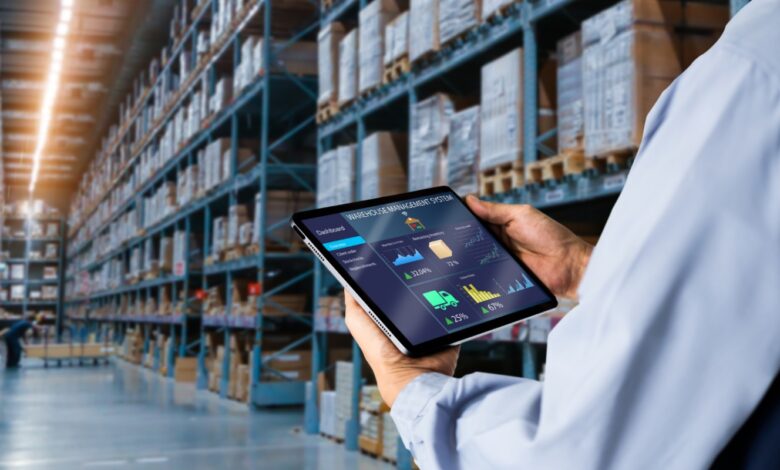
Warehouse management has changed dramatically over the past few decades. What was once a labour-intensive operation centred on manual inventory tracking and paper-based documentation has evolved into a highly organised system powered by technology, automation, and data. As global supply chains continue to grow in complexity, warehouses have become strategic assets that help businesses improve efficiency, reduce costs, and meet rising customer expectations.
Singapore has long established itself as one of Asia’s leading logistics and trade hubs. Its strategic location, world-class port facilities, and strong transportation infrastructure make it an ideal gateway for businesses serving regional and international markets. As a result, warehouse management in Singapore has continued to evolve, with companies investing in smarter technologies and streamlined processes to remain competitive.
Warehouses Have Become More Than Storage Facilities
Traditionally, warehouses were viewed primarily as storage spaces where products remained until they were needed. Today, their role extends far beyond simply holding inventory.
Modern warehouses serve as distribution centres, order fulfilment hubs, inventory management facilities, and value-added service providers. Products are received, inspected, sorted, packaged, labelled, and shipped within carefully planned workflows designed to minimise delays and maximise operational efficiency.
For businesses operating in Singapore, where space is limited and operating costs are relatively high, making efficient use of warehouse capacity has become increasingly important. Every square metre must contribute to productivity while supporting fast and accurate order fulfilment.
Technology Is Transforming Daily Operations
Technology has become one of the biggest drivers of warehouse improvement. Warehouse Management Systems (WMS) allow businesses to monitor inventory levels, optimise storage locations, and track product movement in real time.
Barcode scanners and RFID technology have significantly reduced manual data entry while improving inventory accuracy. Employees can locate products quickly, process shipments more efficiently, and minimise errors throughout the fulfilment process.
Cloud-based software has also improved visibility across supply chains. Warehouse managers can access operational data remotely, monitor key performance indicators, and make informed decisions based on real-time information.
Many logistics companies in Singapore have embraced digital transformation initiatives to improve operational resilience while responding to changing customer expectations.
Automation Continues to Expand
Automation is becoming increasingly common in warehouse environments around the world. Conveyor systems, automated storage and retrieval systems (ASRS), robotic picking equipment, and autonomous mobile robots now support many repetitive tasks that previously relied entirely on manual labour.
Rather than replacing employees completely, automation often allows workers to focus on activities requiring problem-solving, quality control, and customer service. This combination of technology and human expertise helps improve both productivity and operational flexibility.
Businesses handling high order volumes can benefit from faster processing times while maintaining consistent service quality during peak demand periods.
As automation technologies become more accessible, even medium-sized warehouses are beginning to adopt solutions that were previously limited to large multinational organisations.
Inventory Accuracy Matters More Than Ever
Accurate inventory information is essential for successful warehouse management. Even small discrepancies between physical stock and digital records can create operational challenges.
Incorrect inventory data may lead to delayed shipments, stock shortages, unnecessary purchases, or dissatisfied customers. For businesses managing thousands of stock-keeping units (SKUs), maintaining accurate records requires disciplined operational processes.
Regular stock counts, cycle counting programmes, and automated inventory tracking systems help improve accuracy while reducing disruption to daily operations.
Many Singapore-based companies serving regional markets rely on accurate inventory visibility to support efficient cross-border logistics and customer fulfilment.
The Growing Importance of Workforce Productivity
Although warehouse technology continues to advance, people remain central to successful operations. Employees perform a wide variety of responsibilities including receiving shipments, quality inspections, order picking, packing, inventory verification, equipment operation, and outbound dispatch.
Improving workforce productivity often involves redesigning workflows rather than simply increasing labour resources. Well-planned warehouse layouts reduce unnecessary walking distances, improve accessibility, and minimise congestion during busy periods.
Many organisations also invest in employee training programmes that help workers understand operational procedures, warehouse technologies, and inventory management practices. Continuous learning enables teams to adapt as new equipment and software are introduced.
During routine material handling, many facilities also provide industrial hand safety solutions to support employees working with cartons, packaging materials, pallets, and other commonly handled goods throughout the day. When combined with efficient workflows and appropriate equipment, these measures contribute to smoother warehouse operations.
Sustainability Is Becoming a Business Priority
Environmental responsibility has become an increasingly important consideration for warehouse operators. Businesses are exploring ways to reduce energy consumption, minimise waste, and improve resource efficiency without compromising operational performance.
Many warehouses have adopted LED lighting systems, energy-efficient equipment, recyclable packaging materials, and improved waste management programmes. Some facilities are also installing solar panels and implementing smart energy monitoring systems to reduce operating costs.
Singapore’s ongoing sustainability initiatives have encouraged businesses across multiple industries to evaluate how logistics operations can contribute to broader environmental goals while maintaining commercial competitiveness.
As customer expectations continue to evolve, sustainable warehousing practices are becoming an important differentiator for many organisations.
Adapting to Changing Customer Expectations
Consumer behaviour has transformed significantly with the growth of e-commerce. Customers now expect faster deliveries, accurate order fulfilment, and greater transparency throughout the shipping process.
Warehouses have adapted by implementing faster picking strategies, improved inventory visibility, and more flexible fulfilment models capable of handling both business-to-business (B2B) and business-to-consumer (B2C) orders.
Same-day and next-day delivery services have increased pressure on warehouse operations to process orders quickly without sacrificing accuracy.
Businesses that successfully balance speed, efficiency, and service quality are often better positioned to compete in today’s marketplace.
Bottom Line
Warehouse management will continue evolving as businesses adopt new technologies, improve operational processes, and respond to changing market demands. Artificial intelligence, predictive analytics, robotics, and Internet of Things (IoT) technologies are expected to play increasingly important roles in future warehouse operations.
For Singapore, continued investment in logistics infrastructure and digital transformation will further strengthen its position as a regional distribution hub. Companies that embrace innovation while maintaining efficient operational practices will be well prepared to support growing trade volumes and increasingly sophisticated supply chains.
Modern warehouses are no longer simply places where products are stored. They have become intelligent operational centres that connect manufacturers, distributors, retailers, and customers through highly coordinated logistics networks. As technology continues to reshape the industry, effective warehouse management will remain one of the key foundations supporting business growth in Singapore and beyond.