Poly Mailers vs Garment Bags vs Custom Boxes: The Ultimate Clothing Packaging Showdown for 2026
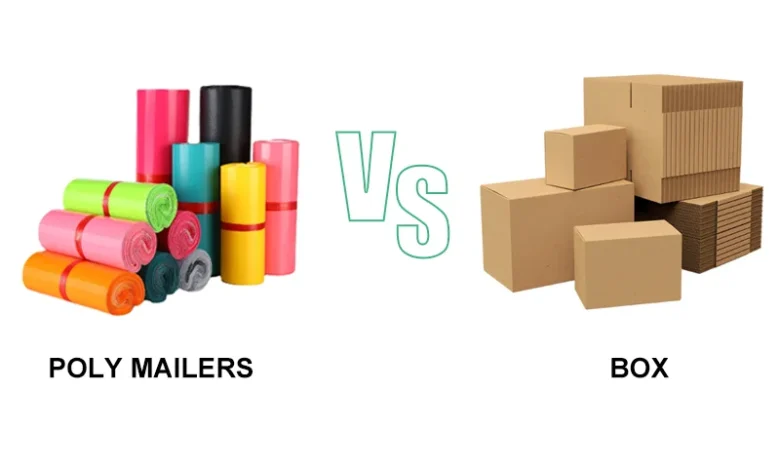
Clothing retailers face mounting pressure to balance cost control with customer satisfaction in their shipping operations. The packaging choice directly impacts both bottom-line economics and brand perception, creating a complex decision matrix for businesses ranging from small online boutiques to large-scale apparel distributors. Poor packaging decisions lead to damaged goods, increased return rates, and customer complaints that can damage long-term relationships.
The stakes have risen considerably as shipping volumes continue to grow and customer expectations for professional presentation increase. Retailers must consider not only the immediate cost per unit but also the hidden costs of damage claims, replacement shipments, and lost customer confidence. The three primary packaging options each serve different operational needs, and understanding their practical applications has become essential for maintaining competitive advantage in today’s retail environment.
Understanding the Three Core Packaging Categories
The modern clothing packaging landscape centers around three distinct approaches, each designed to address specific operational challenges and cost structures. Wholesale packaging bags for clothes represent the most common solution, encompassing both poly mailers and specialized garment bags, while custom boxes serve premium and fragile item requirements.
Poly mailers dominate high-volume operations due to their lightweight construction and space efficiency in storage and shipping. These flexible envelopes provide basic protection against moisture and minor handling damage while maintaining the lowest possible shipping weights. Their standardized manufacturing process keeps unit costs minimal, making them particularly attractive for businesses operating on thin margins.
Garment bags offer enhanced protection through thicker materials and specialized features like reinforced seams and tamper-evident closures. They bridge the gap between basic poly mailers and premium packaging solutions, providing improved durability without the weight and storage requirements of rigid containers. Many include features specifically designed for clothing items, such as moisture barriers and static reduction.
Custom boxes represent the premium tier, offering maximum protection and brand presentation opportunities. These rigid containers protect against crushing, moisture, and handling damage while providing substantial surface area for branding and customer communication. However, they require significantly more storage space, increase shipping costs due to dimensional weight pricing, and involve higher material costs per unit.
Cost Structure Implications
The true cost comparison extends far beyond the initial purchase price of packaging materials. Poly mailers minimize shipping expenses through their lightweight and flexible design, allowing maximum utilization of carrier space and avoiding dimensional weight penalties that can dramatically increase shipping costs for larger items.
Garment bags occupy a middle ground where slightly higher material costs often translate to reduced damage rates and customer complaints. The improved protection can justify the additional expense through decreased replacement shipments and improved customer satisfaction scores, particularly important for businesses building long-term customer relationships.
Custom boxes involve the highest upfront investment but provide substantial value for high-margin items or luxury brands where presentation significantly impacts customer perception. The protection level virtually eliminates damage-related returns, though the increased shipping costs must be factored into overall profitability calculations.
Storage and Fulfillment Considerations
Warehouse efficiency plays a crucial role in packaging selection, particularly for businesses managing their own fulfillment operations. Poly mailers require minimal storage space and can be easily handled by automated packaging systems, reducing labor costs and processing time per order.
Garment bags demand more storage space than basic poly mailers but remain manageable within most warehouse configurations. Their improved durability during the packing process reduces handling time and the risk of packaging failures that can slow fulfillment operations.
Custom boxes consume substantial warehouse space and require careful handling during the packing process. They cannot be easily integrated into high-speed automated systems, often requiring manual packing that increases labor costs and processing time per shipment.
Poly Mailer Applications and Performance
Poly mailers excel in specific operational contexts where cost control and shipping efficiency take priority over premium presentation. Their lightweight construction makes them ideal for businesses shipping large volumes of relatively durable clothing items like t-shirts, jeans, and casual wear that can withstand moderate handling without damage.
The moisture resistance built into quality poly mailers provides adequate protection for most clothing items during standard shipping timeframes. However, their thin construction offers limited protection against punctures, crushing, or extreme temperature variations that can occur during extended transit periods or rough handling.
Volume purchasing of poly mailers can achieve significant cost reductions, making them particularly attractive for businesses operating on marketplace platforms where shipping costs directly impact competitiveness. The standardized sizing options align well with most clothing items, reducing the need for multiple packaging types in inventory.
Performance Under Shipping Stress
Real-world shipping conditions test poly mailer durability through multiple handling points, conveyor systems, and sorting facilities. Quality poly mailers maintain integrity through standard shipping processes, though extreme conditions or sharp objects can cause failures that compromise the contents.
The flexible nature of poly mailers allows them to absorb impacts that might damage rigid packaging, but this same flexibility provides no protection against crushing forces. Items packed too tightly or stacked under heavy loads may arrive compressed or wrinkled, potentially requiring additional processing before customer delivery.
Temperature variations during shipping can affect poly mailer performance, with extreme cold making some materials brittle while high temperatures can cause adhesive failures in sealed edges. Understanding these limitations helps businesses set appropriate expectations and choose higher-grade materials when necessary.
Brand Presentation Opportunities
Poly mailers offer limited but meaningful branding opportunities through custom printing and color selection. The smooth surface accepts high-quality printing that can reinforce brand identity and create positive unboxing experiences despite the basic packaging format.
The compact profile of poly mailers creates challenges for extensive marketing messages or detailed product information, requiring businesses to focus on essential brand elements and simple messaging. However, the large flat surface area does provide excellent visibility for logos and return addresses.
Cost-effective customization options include single-color printing, basic graphics, and standard text, while full-color custom designs require higher minimum orders and increased lead times that may not align with all business models.
Garment Bag Advantages and Applications
Garment bags serve businesses requiring enhanced protection without the cost and storage implications of custom boxes. According to the Environmental Protection Agency, specialized packaging reduces product damage significantly while maintaining reasonable environmental impact through efficient material usage.
The reinforced construction typical in garment bags provides superior puncture resistance and seam strength compared to basic poly mailers. This enhanced durability proves particularly valuable for businesses shipping delicate fabrics, embellished garments, or items with protruding elements like buttons or decorative hardware that might damage standard packaging.
Many garment bags incorporate specialized features designed specifically for clothing applications, including anti-static properties that prevent fabric cling, moisture barriers that protect against humidity damage, and clear windows that allow quality inspection without opening the package.
Protection Level Analysis
The enhanced material thickness and construction methods used in garment bags create measurably better protection against common shipping hazards. The improved puncture resistance reduces the risk of damage from sharp objects or rough handling during the shipping process.
Reinforced seams and enhanced closure methods provide better security and tamper evidence, important considerations for businesses shipping high-value items or operating in markets where package security concerns exist. The improved closure integrity also prevents accidental opening during transit that can lead to lost items or customer dissatisfaction.
The moisture protection in specialized garment bags exceeds basic poly mailers through enhanced barrier properties and improved seal integrity. This additional protection proves valuable for businesses shipping to areas with high humidity or during seasons when condensation risks increase.
Cost-Benefit Evaluation
The price premium for garment bags over basic poly mailers typically ranges from moderate to significant, depending on specific features and construction quality. However, the reduction in damage-related costs often justifies this additional investment through decreased replacement shipments and improved customer satisfaction.
Businesses shipping mid-range to premium clothing items often find that garment bags provide the optimal balance between protection and cost, particularly when customer retention and brand reputation considerations factor into the decision matrix.
The improved durability can also reduce handling costs within fulfillment operations, as stronger packaging requires less careful handling and experiences fewer failures during the packing process that can slow operations and increase labor costs.
Custom Box Solutions and Premium Applications
Custom boxes represent the premium packaging tier, designed for businesses where product protection and brand presentation justify higher costs and operational complexity. These rigid containers provide maximum protection against virtually all shipping hazards while offering extensive branding and customer experience opportunities.
The structural integrity of custom boxes makes them essential for fragile items, heavily embellished garments, or products where maintaining perfect presentation is crucial for customer satisfaction. The rigid walls prevent crushing and provide consistent internal dimensions that protect against shifting during transit.
Luxury brands and high-margin retailers often view custom boxes as essential brand communication tools, using the packaging experience to reinforce premium positioning and create memorable unboxing experiences that encourage customer loyalty and social media sharing.
Protection and Presentation Benefits
The comprehensive protection provided by custom boxes virtually eliminates damage-related returns when properly sized and packed. The rigid construction protects against crushing, punctures, moisture, and temperature variations that can compromise other packaging types.
Internal cushioning options and precise sizing allow for optimal product presentation, ensuring items arrive in pristine condition without wrinkles, folds, or compression damage. This level of protection proves essential for formal wear, delicate fabrics, or items with complex construction that cannot tolerate distortion.
The substantial surface area available on custom boxes enables comprehensive branding, detailed product information, care instructions, and marketing messages that enhance customer education and brand reinforcement throughout the shipping and unboxing process.
Operational Cost Considerations
Custom boxes involve significant cost implications beyond material prices, including increased storage requirements, higher shipping costs due to dimensional weight pricing, and additional labor for packing and handling operations.
The storage space required for custom boxes can become a limiting factor in warehouse operations, particularly for businesses with limited facility space or those using third-party fulfillment services where storage costs directly impact profitability.
Dimensional weight pricing from shipping carriers can dramatically increase transportation costs for custom boxes, particularly for lightweight clothing items where the package dimensions rather than actual weight determine shipping charges. This factor often limits custom box viability to high-value items where increased shipping costs can be absorbed or passed to customers.
Making the Right Choice for Your Operations
The optimal packaging choice depends on balancing multiple operational factors including product value, customer expectations, shipping volumes, and cost structures specific to each business model. Understanding these interdependencies enables informed decisions that support both immediate profitability and long-term customer relationships.
Businesses shipping high volumes of basic apparel items typically find poly mailers provide the best cost-performance balance, while companies focused on premium positioning or fragile items often justify the additional investment in garment bags or custom boxes.
The decision framework should include analysis of current damage rates, customer feedback regarding packaging experience, shipping cost impacts, and storage limitations within existing fulfillment operations. Testing multiple approaches with different product categories can provide valuable data for optimizing packaging strategies.
Implementation Strategy
Successful packaging transitions require careful planning to avoid disruption to ongoing operations while evaluating performance under real-world conditions. Starting with limited product categories or test shipments allows for performance evaluation without committing to large inventory investments.
Supplier relationships play a crucial role in successful implementation, particularly for businesses requiring consistent quality and reliable delivery schedules. Establishing relationships with multiple suppliers can provide backup options and competitive pricing leverage.
Training fulfillment staff on proper packing techniques for each packaging type ensures optimal performance and reduces the risk of damage due to incorrect usage. This training investment pays dividends through reduced damage rates and improved operational efficiency.
Conclusion
The choice between poly mailers, garment bags, and custom boxes ultimately depends on aligning packaging characteristics with specific operational requirements and customer expectations. Each option serves distinct market segments and business models, with success depending on matching packaging capabilities to actual shipping conditions and performance requirements.
Cost considerations extend beyond initial material prices to include shipping expenses, storage requirements, damage rates, and customer satisfaction impacts. Businesses achieving optimal results typically evaluate these factors comprehensively rather than focusing solely on upfront packaging costs.
The packaging decision should evolve with business growth and changing market conditions, requiring periodic reevaluation to ensure continued alignment with operational needs and customer expectations. Success comes from understanding that packaging serves as both product protection and brand communication, requiring balance between practical performance and customer experience objectives.