Dredge Pump for Sand & Sediment Suction | DAE Pumps
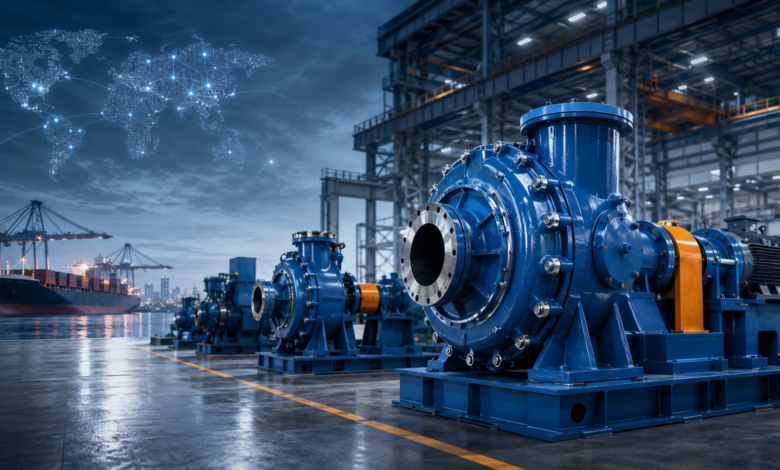
In this article we examine dredge pump technology and practical applications for sand and sediment suction, focusing on DAE Pumps solutions for sand dredging, pond and port dredging, and land reclamation. The discussion covers how a dredge pump works, components of a pump system, model selection for sand and gravel dredging, sizing calculations for slurry flow, maintenance practices to resist abrasion from abrasive materials, integration with excavators and pontoons, operational troubleshooting, and environmental and regulatory considerations relevant to dredging operations. Emphasis is placed on wear-resistant design, heavy-duty options and portable dredge configurations suited to handling large volumes of sand and silt while protecting aquatic environments.
Click here to read more about Sand & Dredge Pumps Manufacturer&Supplier – BBP
What is a dredge pump and how does a dredge pump work for sand dredging?
A dredge pump is a specialized centrifugal pump designed to move large volumes of sand, sediment and slurry composed of water and solid particles. In sand dredging operations, the dredge pump creates suction that entrains sediment from the bed of a waterway, harbor, pond or lake into a conveyance pipeline for transport to a disposal site or land reclamation area. A dredge pump works by creating a low-pressure zone at the pump inlet where slurry enters the pump casing; the rotating impeller imparts kinetic energy to the mixture, converting it to pressure at the discharge, enabling the heavy-duty pump to transport abrasive materials over long distances. DAE Pumps manufactures dredge pumps and complete pump systems optimized for sand dredging, sand mining and sediment removal, with both submersible and centrifugal configurations that are engineered to resist abrasion and provide reliable performance in dredging operations.
How does suction create slurry flow in sand dredging pump systems?
Suction in a sand dredging pump system is produced by the centrifugal action of the impeller within the pump casing. As the impeller rotates, it accelerates water and entrained sand particles outward, reducing pressure at the eye of the impeller and drawing slurry into the suction inlet. The resulting flow is a mixture of water and solid particles—slurry—that is conveyed through the pipeline. Suction must overcome static head and intake losses, so pump selection and pipeline layout are critical to maintain the required volumetric flow rate of solids percentage without cavitation. In portable dredge and small pontoon dredge applications, careful design of the suction intake, dredge pump for sand nozzle geometry and hydraulic balance ensures reliable entrainment of silt, sand and gravel during dredging operations while minimizing clogging and excessive wear.
What components make up a dredge pump and pump system?
A typical dredge pump system comprises the heavy-duty dredge pump (often a centrifugal pump), impeller(s), pump casing, wear parts such as liners and wear plates, suction and discharge pipelines, valves, coupling and drives (hydraulic, electric motor, or excavator-driven power take-off), and control systems for monitoring pressure, flow and vibration. Submersible dredge pumps integrate the motor and pump into a single sealed unit suitable for pond and port dredging, while surface-mounted pumps may be engine- or hydraulic-driven and mounted on pontoons, barges or excavator implements. DAE Pumps offers pump offers that include wear-resistant impellers, replaceable wear parts, heavy-duty casings, and hydraulic couplings tailored for sand and gravel dredging, sand mining and other abrasive dredging sand tasks. Ancillary dredging equipment such as booster pumps, dredge heads, and specialized pipelines form part of a complete pump system designed for continuous sediment removal in lakes and ponds, harbors and waterways.
How does abrasive sediment affect dredge pump works and lifespan?
Abrasive sediment, particularly sand and gravel with high silica content, accelerates wear of impellers, pump casing and wear parts, reducing pump efficiency and service life. Abrasion changes clearances and hydraulic geometry, causing performance decline, increased power consumption and potential for failure. Proper material selection for wear parts—such as high-chrome alloys, specialized elastomers or composite liners—helps mitigate abrasion and extend the lifespan of a dredge pump. Operating practices, like controlling slurry concentration, flow velocity and suction depth, also influence wear rates during dredging operations. DAE Pumps designs heavy-duty pump models and wear-resistant options specifically for abrasive materials encountered in sand dredging, providing spare wear parts and maintenance programs to keep dredgers operational with predictable service intervals and reduced downtime.
Which DAE Pumps models are best for sand and gravel dredging and portable dredge applications?
Selecting the best DAE Pumps model for sand and gravel dredging depends on expected solids concentration, particle size, required flow rate, discharge distance and application platform. For portable dredge and small pontoon dredge operations, compact yet heavy-duty centrifugal pumps with robust impellers and replaceable wear liners perform well for pond maintenance, small-scale sand mining and dredging sand from lakes and ponds. Submersible models provide advantages in ease of installation and minimal priming issues for pond and harbor dredging, while surface-mounted heavy-duty pump variants deliver higher horsepower for land reclamation and large volumes of sand transport. DAE Pumps offers a range of dredge pump works from portable dredge units to heavy-duty dredgers capable of continuous sediment removal and excavation in aquatic environments, enabling selection of the right dredger for each application.
What features to look for in a portable dredge or small pontoon dredge pump?
When evaluating portable dredge and small pontoon dredge pumps, prioritize features such as a wear-resistant impeller, modular pump casing for quick replacement of wear parts, compact footprint, ease of coupling to excavator hydraulic systems or small diesel engines, and suction arrangements that facilitate effective entrainment of silt and sand without clogging. A portable dredge should offer adjustable suction depth, a rugged pump casing that resists abrasion, and the ability to handle variable solids percentages while maintaining efficient centrifugal operation. DAE Pumps’ portable dredge solutions typically include these design elements, along with options for corrosion protection and simplified maintenance to reduce operational costs during sand dredging projects and pond maintenance.
Are there specific submersible DAE Pumps models for pond and port dredging?
Yes, DAE Pumps manufactures submersible dredge pump models purpose-built for pond and port dredging, featuring sealed motor housings, integrated pump and motor assemblies, and wear-resistant components to handle silt and sand. Submersible dredge pumps are particularly suited for shallow water, harbors and lakes where minimal surface footprint and simple deployment are important. They eliminate many priming concerns and allow direct placement at the suction point, creating effective slurry flow for sediment removal. These models are designed to operate reliably in aquatic environments, with features to resist abrasion and handle large volumes of sand while meeting the demands of dredging operations in sensitive hydraulic and environmental contexts.
How to compare heavy duty vs. compact dredge pump options for excavation projects?
Comparing heavy-duty and compact dredge pump options requires analyzing project scale, solids characteristics and mobility needs. Heavy-duty pumps are appropriate for land reclamation, long-distance pipelines and continuous dredging of large volumes, offering higher horsepower, robust impellers and extended wear parts. Compact dredge pumps or small pontoon dredges are suitable for localized excavation, pond cleanup and small-scale sand mining where agility and rapid deployment matter. Consider the abrasive nature of the sediments, required pump horsepower to overcome friction losses in long pipelines, and whether the pump must be submersible or mounted on dredging equipment such as excavators. DAE Pumps provides product ranges across this spectrum, enabling selection of heavy-duty pumps for high-production dredging sand projects and compact units for portable dredge applications.
How to size a dredge pump for suction dredging sediment, silt, and sand?
Proper sizing of a dredge pump for suction dredging requires calculation of slurry flow, solids percentage by weight or volume, required head, and resulting pump horsepower to handle the mixture without cavitation. Establish the volumetric flow of water plus solids needed to transport the required solids mass, determine the maximum particle size and abrasiveness, and compute frictional losses for the planned pipeline length and diameter. The selected centrifugal pump must provide the necessary flow at the operating point on its performance curve while delivering sufficient NPSH margin to avoid cavitation when suction depths are significant. DAE Pumps can assist in these calculations to ensure the chosen dredge pump for sand and sediment removal matches project requirements for sand and gravel dredging and sand mining operations.
What calculations determine slurry flow, solids percentage and pump horsepower?
Calculations for slurry flow and pump horsepower combine mass balance of solids, hydraulic calculations for pipeline losses, and pump power equations. Begin with the desired solids mass flow (tons per hour) and convert to volumetric slurry flow considering the solids concentration and bulk density. Compute head required as the sum of static lift, friction losses in the pipeline based on flow velocity and sediment behavior, and any required elevation differences for land reclamation. Pump horsepower is then derived from hydraulic power (flow times head times fluid density times gravity) divided by pump efficiency, with allowance for increased viscosity and energy demands when solids percentage rises. Because abrasive materials elevate energy requirements and reduce efficiency over time, choose a heavy-duty or oversized pump where necessary and plan for conservative design margins when dredging sand and silt.
How does particle size and sand dredging depth affect pump selection?
Particle size influences impeller design, clearances and pipeline diameter to avoid blockages and excessive wear; larger particles and gravel require larger clearances and more robust impellers to pass solids without damage. Sand dredging depth impacts suction head and NPSH available; deeper dredging increases the risk of cavitation, so pumps with higher NPSH capability or submersible configurations may be preferable. For deep suction dredging or when encountering large volumes of coarse gravel, multiple pumps or staged pumping may be required to maintain flow and protect wear parts. DAE Pumps offers configurable dredge pump works that account for particle size distribution and suction depth to optimize dredging performance and longevity.
When is a larger pump or multiple pumps required for land reclamation?
Land reclamation projects often require continuous movement of large volumes of sand and sediment over long distances and higher elevations, which increases hydraulic head and friction losses, necessitating larger pumps or multiple pump stages. If the pipeline length, elevation gain or required production exceeds the capabilities of a single unit, a booster pump or a series of dredge pumps can distribute the required work while controlling wear and power consumption. Projects with high solids concentration or large particle sizes also benefit from multiple pumps to reduce each unit’s operating stress, improve redundancy and allow staged maintenance without halting the entire dredging operation. DAE Pumps supports system design for these heavy-duty scenarios to deliver reliable dredging solutions for land reclamation.
What maintenance and inspection practices extend dredge pump life when handling abrasive sediment?
Routine maintenance and frequent inspections of wear parts are essential to extend the life of dredge pumps handling abrasive sediment. Implement scheduled checks of impellers, wear plates, seals, bearings and pump casing for signs of abrasion, deformation or cracking. Maintain records of operating hours, slurry characteristics and observed wear rates to predict service intervals and manage spare parts inventory. Use appropriate lubricants, ensure proper alignment of couplings, and verify that pipelines are free of blockages or excessive sediment buildup. DAE Pumps recommends proactive maintenance regimes and provision of wear parts tailored to the abrasive conditions typical of sand dredging and sand mining operations to minimize unplanned downtime.
How often should impellers, wear plates and seals be checked or replaced?
The inspection interval for impellers, wear plates and seals depends on slurry abrasiveness, operating hours and duty cycle; however, for abrasive sand dredging it is prudent to perform visual inspections daily or weekly during continuous operations and detailed measurements monthly. Replace wear parts when dimensional tolerances exceed manufacturer limits or when efficiency drops noticeably; impellers and wear plates often require replacement or re-profiling after a predictable number of operating hours based on historical wear rates. Seals should be monitored for leakage signs and replaced promptly to prevent contamination of bearings. DAE Pumps provides guidance on expected wear life and recommends spare parts inventory levels aligned with project criticality and continuity needs.
What preventive steps reduce abrasion and clogging during dredging operations?
Preventive measures include controlling slurry concentration, optimizing flow velocity to maintain solids in suspension without excessive abrasion, selecting wear-resistant materials for impellers and casings, and designing suction heads and nozzles to minimize turbulence and entrapment of large debris. Regularly flushing pipelines, installing strainers or screens at intake points to exclude vegetation and large solids, and using booster pumps to avoid low-flow conditions that increase abrasion can reduce wear and clogging. Training operators to recognize early signs of abrasion and to adjust dredging parameters accordingly is also essential to prolong the life of dredging equipment and ensure efficient sediment removal.
How to plan downtime and spare parts inventory for continuous dredging?
Plan downtime by establishing preventive maintenance windows based on the predicted wear life of critical components, aligning spare parts inventory—such as impellers, wear plates, seals and bearings—with those intervals, and maintaining contingency spares for unplanned failures. Maintain a parts consumption log to forecast replacement schedules and coordinate shipments to remote dredging sites. For continuous dredging projects, consider rotating pumps to distribute wear and scheduling complementary activities during service periods. DAE Pumps supports customers with spare parts packages and maintenance planning tools to ensure dredging operations remain productive and downtime is minimized.
How to integrate a dredge pump with excavator, pontoon or suction dredging equipment?
When you integrate a dredge pump with excavators, pontoons, or suction dredging gear, you typically need matched hydraulic or mechanical couplings. You also need secure mounting arrangements, plus coordinated control systems that actually agree with each other, even when the job site is a mess. For excavator-driven dredge pumps, the usual approach is to let the host machine’s hydraulic circuit do the heavy lifting, meaning a hydraulic motor drives the pump impeller. That only works when the flow rate and pressure ratings are compatible, and when the hoses, fittings, and run time are considered as one whole system.
For ponto on-mounted dredge setups, the base is a bigger deal. You need stable frames, vibration isolation, and enough access for maintenance and inspections. Suction dredging heads also matter a lot: nozzle geometry, the way the suction inlet is shaped, and the pipeline connections are essential for efficient slurry entrainment and to reduce backflow, and losses that waste power.
DAE Pumps provides integration guidance and engineered interfaces so coupling dredge pumps to different dredging equipment stays safe and effective during combined operation.
Common mounting and coupling methods for excavator-driven dredge pumps include:
– Hydraulic motor coupling: using the excavator hydraulic circuit to power a pump-mounted hydraulic motor, with matched flow/pressure requirements
– Direct mechanical mounting: rigid pump base attached to the excavator structure, often with isolating hardware to manage vibration
– Quick-connect hose manifolds: coupling the hydraulic lines with standardized couplers to speed setup and reduce downtime
– Adapter plates and custom brackets: engineered mounting frames that align pump shaft loads and protect couplings from misalignment
– Integrated control interfaces: shared or adapted control logic so excavator functions and pump speed respond together
Common mounting approaches include frame mounted pump skids, attached to the excavator boom or a dedicated bracket attachment that clamps the pump casing plus the hydraulic motor in place. The connection is usually hydraulic, using the excavator auxiliary circuits to drive a hydraulic motor that is coupled right to the centrifugal pump shaft, or through a flexible coupling that handles small misalignment without too much trouble. Quick connect hydraulic fittings along with sturdy mechanical bases that manage torque and bending stresses are important so the unit stays stable during work. Smooth integration also means planning hydraulic line routing so contamination is avoided, and ensuring proper cooling plus filtration, to maintain hydraulic component longevity while abrasive dredging operations are happening.
How should hose and pipeline layouts be designed so suction and discharge stay efficient?
Doing hose and pipeline layouts for suction and discharge, it really comes down to choosing the diameter correcty so the target velocities stay on track. You also need to keep sharp bends and sudden elevation changes to a minimum, because those increase friction losses, even when everything looks fine at first. Then there is the jointing part, the couplings and seals must be secure, otherwise you risk leaks and even suction loss which is the worst kind of interruption. On suction lines, you want them short and as straight as can be arranged, with gradual turns and a steady course, not random course changes that add resistance. Discharge pipelines for land reclamation can be more involved, they may need booster stations, plus erosion-resistant lining options to cope with abrasive slurry. Installing air-release valves, adding pigging access points and using proper supports also helps reduce sediment settling and clogging. DAE Pumps provides hydraulic and piping design help to improve pipeline efficiency, especially for moving huge amounts of sand and slurry across the required distances.
For combined dredging equipment, the safety and operational controls typically include, interlocks for starting and stopping, emergency shutdown provisions, pressure and vacuum monitoring with alarms, and flow or level interlocks to avoid dry running. You also need valve position indication, check valves behavior verification, and isolation logic so suction and discharge can be safely secured during maintenance. Monitoring systems should cover temperature and vibration for the pump units, plus current or torque limits for motors. For slurry handling, you usually include controls for pigging schedule coordination, air-release valve status checks, and clogging detection via differential pressure trends. Mechanical safety matters too, like guarding of rotating parts, proper grounding and bonding, rated lifting points, and lockout tagout procedures for service.
Safety and operational controls include pressure, and flow monitoring, vibration sensors emergency shutoffs, plus interlocks between pump drive and dredging equipment so overloads or cavitation conditions do not happen. There should also be procedures for safe deployment and retrieval of submersible pumps, and lockout tagout protocols for maintenance. Operator training in slurry handling and pipeline management is essential too. Environmental safeguards, like turbidity monitoring and containment measures, should be integrated into operational controls so downstream impacts are managed during dredging operations in ports harbors and aquatic habitats.
What are typical operational problems with sand dredging pumps and how to troubleshoot them?
Typical operational problems include loss of suction or loss of priming, excessive vibration and noise often linked with cavitation or misalignment, faster deterioration and falling output because of abrasion, plus pipeline blockages caused by oversized solids or vegetation . The troubleshooting process starts with confirming the hydraulic numbers, like suction lift NPSH flow rate, and pressures, then looking over wear parts and seals, checking pipelines and intakes for obstructions, and making sure the coupling is right and the impeller is balanced. With a systematic diagnosis and targeted repair, dredging performance comes back and the same failures do not repeat.
Why does the pump lose suction or prime while doing sediment dredging?
Loss of suction, priming troubles can happen if air gets in at pipeline joints, or if there are suction line leaks, and sometimes if the intake is not submerged enough. Also, if the suction lift is too much, beyond the NPSH boundary, you can get problems, plus any blockages that interrupt the flow. On top of that, abrasive wear can widen clearances, which then lowers internal pump pressure and worsens the effect.
For resolution, you typically check joints and seals, verify the intake depth, fix or replace the worn parts. Then you make sure the pump choice gives enough NPSH margin for the dredging depth and the slurry conditions.
Excessive vibration, noise, or cavitation in dredge pumps can be caused by air ingress, poor priming, misaligned or loose couplings, worn impellers, imbalance, damaged suction piping, and insufficient NPSH margin. It can also show up when the intake is clogged, the suction lift is too high, or when abrasive solids are causing rapid erosion on critical surfaces.
Excessive vibration or noise may indicate cavitation due to inadequate NPSH, entrained air, or high solids concentration leading to erosive flow patterns. It can also come from mechanical issues such as bearing failure, or misalignment that is not obvious at first. Cavitation typically leaves characteristic pitting and causes rapid wear on impellers and casing surfaces, and it tends to worsen quickly. Fixing it means you verify suction conditions, correct flow velocities, check for suction-side air leaks, balance the impeller, and replace damaged wear parts when needed. Regular monitoring of vibration patterns helps you catch these problems early in dredging operations.
How do you diagnose and recover wear-related performance decline in slurry pumps?
Figure out where the wear is causing performance to slip by comparing fluid flow and static head to the pump curve, while you also visually inspect the impeller and wear plate geometry for erosion or scaled damage. Don’t forget to check the clearances they help drive hydraulic efficiency, because even small gaps can change things in a big way.
For fixes, you may need to swap worn impellers, re-profile the rotating element, fit new wear plates, and tune the clearances back to the right range. If the setup is especially abrasive, upgrading to more wear resistant materials usually pays off. You can also reduce the abrasive action with operational changes, for example by lowering slurry concentration or by increasing flow velocity.
DAE Pumps supports these diagnostics and supplies engineered wear parts to restore slurry pump performance.
What environmental and regulatory considerations apply to sediment dredging with DAE Pumps?
When you do sediment dredging, you have to think about environmental and regulatory issues that are always there, like minimizing turbidity and preventing downstream impacts. You also need to handle contaminated sediments under the applicable environmental rules, get the right permits for dredging in harbors, ports, waterways and even protected aquatic areas, plus set up monitoring and reporting in the required form. In many cases the dredging work has to follow local and national permits, and those permits often include limits for turbidity, rules for disposal methods and restrictions on timing, specifically to protect aquatic life and sensitive habitats. This is why the selection of equipment and dredging methods matters, you want approaches that reduce sediment re suspension of fine silt, and you want to optimize targeted sediment removal, so the regulatory expectations are actually met and water quality stays protected.
How can you minimize turbidity and downstream impact while dredging sand and silt?
Minimize turbidity by doing controlled suction techniques, using precise dredge head positioning to limit disturbance, plus silt curtains or containment booms so the work area stays isolated. Also, carefully choosing discharge locations and discharge methods so recontamination does not happen. Employing gradual pumping rates, and staged dewatering helps settle the fines first, before anything is released, and real-time turbidity monitoring lets you adapt the operation to stay in compliance. DAE Pumps provides dredging solutions with a goal to reduce entrainment of fine silt, while also integrating environmental control measures during sediment removal.
For port, pond, or land reclamation dredging, what permits or reporting are typically needed?
Permitting normally includes approvals from environmental protection agencies, fisheries and wildlife authorities, plus local waterway management bodies. Usually there are common requirements like dredge volume limits, disposal location permits, turbidity thresholds, and timing restrictions, to help protect spawning or migration periods. There is also a need for monitoring and reporting of dredging impacts, sometimes weekly logs, sometimes longer datasets. For land reclamation projects, there may be more paperwork for soil and sediment testing, along with long-range monitoring plans.
To choose equipment and methods that match local environmental standards, you can start by checking which exact permit conditions apply in your area, then line up the dredging approach with those conditions. Pick devices that can control suspended solids, and verify performance with relevant turbidity reduction measures. Confirm that the intended disposal method and placement location meet the permit rules, and that the operating window follows the timing constraints. Finally, plan data collection tools, so monitoring and reporting requirements are handled without gaps.
Choose equipment and methods that give precise control for sediment removal, keep resuspension low, and still allow contaminated material to be handled securely. Submersible dredge pumps, controlled suction dredges, and portable dredge systems with adjustable suction heads can reach targeted excavation, with reduced downstream turbidity. When you pick wear resistant pumps, and you use well planned pipeline layouts, you can cut the chance of accidental spillage and also prevent outages that might raise environmental risk. Start discussions with regulatory authorities early, run environmental impact assessments, and pick DAE Pumps dredging solutions that balance output requirements with careful environmental stewardship.