The Growing Importance of Custom Perfume Packaging in the Fragrance Industry
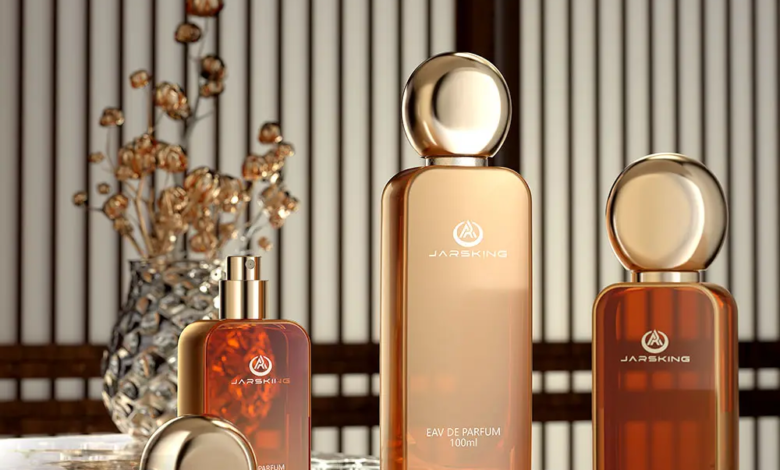
In the fragrance market, packaging has become an essential part of how consumers experience a perfume before even testing the scent itself. From the bottle shape to the atomizer performance, every detail contributes to product identity, usability, and customer perception. As competition in the beauty and fragrance industry increases, brands are investing more in tailored packaging solutions that combine aesthetics, durability, and functionality.
Modern fragrance companies are no longer looking for standard containers alone. Instead, they are searching for integrated solutions that include bottle development, decorative finishes, atomizer engineering, and packaging customization.
Why Packaging Design Matters in Perfume Branding
Perfume packaging serves several functions beyond simple product protection. It communicates brand identity, influences shelf appeal, and creates a memorable unboxing experience. Luxury fragrance brands, niche perfumers, and independent startups all rely on packaging design to differentiate themselves in a crowded market.
Today’s consumers pay close attention to details such as:
- Bottle clarity and finish
- Cap material and texture
- Spray consistency
- Label durability
- Decorative printing quality
- Sustainability of materials
As a result, perfume packaging manufacturers increasingly offer specialized design and engineering services that address both creative and technical requirements.
Understanding Custom Packaging Development
The development of custom perfume packaging usually begins with concept creation. Manufacturers and design teams work closely to transform brand ideas into practical packaging solutions that can be mass-produced efficiently.
Many companies now provide complete development workflows, including:
- Concept consultation
- Structural bottle design
- 3D rendering and visualization
- Mold development
- Material selection
- Surface decoration
- Quality testing
- Production support
The design section of Jarsking Global highlights how perfume packaging development often involves collaboration between designers, engineers, and production specialists. Their process includes customized bottle structures, cap crafting, decorative techniques, and packaging coordination to ensure visual consistency across the entire fragrance line.
The Role of Custom Bottle Design in Consumer Experience
Bottle design directly affects how users interact with a fragrance product. Shape, weight, spray pressure, and handling comfort all influence the overall experience.
Manufacturers increasingly offer both public mold options and fully customized mold development. Public molds allow faster production timelines, while private molds enable brands to create unique silhouettes and signature packaging identities.
The availability of advanced finishing techniques has also expanded significantly. Common decorative methods include:
- Frosting
- Lacquering
- Hot stamping
- Silk-screen printing
- Metallization
- Logo engraving
These methods help brands create distinctive visual effects while maintaining packaging durability.
Brands seeking tailored fragrance presentation solutions often explore Custom Perfume Packaging Design Services to develop coordinated packaging systems that include bottles, caps, boxes, and decorative components.
Why Atomizer Quality Is Critical
While bottle appearance attracts attention, atomizer performance strongly influences long-term customer satisfaction. A poorly functioning spray mechanism can negatively affect product perception regardless of fragrance quality.
Consumers frequently discuss atomizer problems online, especially issues such as leaking, uneven spray distribution, or weak spray pressure. Community discussions on fragrance forums often reveal that spray consistency and durability are major concerns for perfume buyers.
A well-designed atomizer should provide:
- Fine mist distribution
- Consistent spray output
- Long-term mechanical durability
- Leak resistance
- Comfortable pressure control
- Compatibility with fragrance formulations
Because atomizers directly affect fragrance diffusion, their engineering has become a major focus in perfume packaging development.
Advances in Perfume Atomizer Engineering
Perfume atomizers have evolved significantly over the past decade. Manufacturers now develop spray systems using different materials, nozzle structures, and dispensing technologies to improve performance and aesthetics.
Modern atomizer solutions may include:
- Aluminum spray systems
- Refillable atomizers
- Fine mist technology
- Travel-friendly designs
- Decorative actuator finishes
- High-cycle durability mechanisms
The atomizer section on Jarsking Global emphasizes how manufacturers integrate spray functionality with bottle aesthetics through customizable sprayers, collars, and caps. The company also notes durability testing and long-term spray performance as part of its packaging development process.
For brands focusing on spray precision and fragrance delivery systems, Custom Perfume Atomizer Solutions have become an increasingly important part of fragrance packaging development.
Balancing Aesthetics and Functionality
One of the biggest challenges in perfume packaging is balancing luxury presentation with practical usability. Consumers expect visually impressive packaging, but they also expect reliability and convenience.
This balance requires careful attention to:
Material Selection
Glass quality, coating durability, and cap materials all influence the longevity of perfume packaging. Premium manufacturers often use high-clarity glass and specialized polishing techniques to improve visual appeal and structural integrity.
Decoration Durability
Decorative finishes must resist abrasion, alcohol exposure, and environmental wear. Testing procedures such as adhesion testing, vacuum testing, and coating resistance evaluations are now standard in professional packaging production.
Spray Performance
The atomizer must remain functional throughout the product lifecycle. Spray consistency is especially important for premium fragrances, where the application experience contributes heavily to customer perception.
Sustainability Trends in Perfume Packaging
Sustainability has become a major consideration in fragrance packaging design. Brands are increasingly adopting:
- Recyclable glass materials
- Refillable perfume systems
- Lightweight packaging structures
- Reduced plastic usage
- Eco-conscious decorative processes
Packaging manufacturers are adapting by developing environmentally responsible solutions without sacrificing luxury presentation.
Refillable atomizer systems and reusable perfume bottles are expected to play a larger role in the future fragrance market as sustainability regulations continue to evolve globally.
The Future of Fragrance Packaging
The future of perfume packaging lies in personalization, engineering precision, and sustainable innovation. Consumers increasingly expect packaging that reflects both luxury craftsmanship and functional reliability.
As fragrance brands continue to compete through visual storytelling and customer experience, demand for specialized packaging services will likely continue to grow. This includes advanced bottle development, customized decorative techniques, and high-performance atomizer systems that improve usability while supporting brand identity.
Packaging is no longer viewed as a secondary component of fragrance production. It has become a strategic part of product development, customer engagement, and long-term brand positioning.
READ ALSO: What Makes Tom Ford’s Lost Cherry Perfume Unique?