Aloe vera gel: Gentle everyday natural care for skin and health
In recent years, aloe vera has become popular among people who prefer simple and natural solutions for daily care, especially those looking for gentle yet effective options. From soothing the skin to supporting general wellness, this plant-based ingredient offers practical benefits that fit easily into everyday routines and long-term care needs.
What is aloe vera gel and why is it so popular?
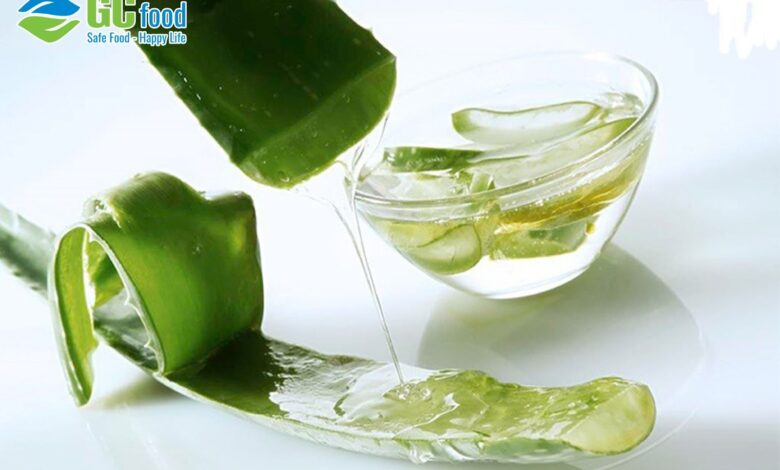
Aloe vera gel comes from the clear inner part of aloe vera leaves, a plant that grows well in hot climates and is easy to cultivate, especially in Vietnam. The gel contains many natural compounds such as vitamins A, C, and E, along with enzymes, amino acids, and essential minerals that contribute to its wide range of benefits.
Among many aloe varieties, aloe vera is the most commonly used for gel extraction thanks to its natural cooling and calming effects, which make aloe vera gel suitable for most skin types. With its gentle action and plant-based origin, it is often chosen for daily use in both beauty and wellness products that focus on safe and long-term care.
Aloe vera gel is extracted from the clear inner leaf, providing a cooling and gentle feel suitable for all skin types.
Health and daily life benefits of natural aloe vera
- Supporting digestion: A small amount of natural aloe vera consumed with meals may help soothe mild digestive discomfort and support a more balanced digestive process.
- Oral care support: Aloe vera contains vitamin C and bioactive compounds that may help reduce dental plaque and calm swollen gums, and it is sometimes used as a gentle, natural mouthwash.
- Food preservation use: A lesser-known benefit of natural aloe vera is its ability to act as a natural coating for fruits and vegetables. When applied, it helps limit bacterial growth and keeps food fresh longer without chemical preservatives.
Key benefits of aloe vera gel for skin care
Soothing minor burns and sunburn
Aloe vera gel creates a cooling sensation when applied to the skin, helping calm minor burns and reduce discomfort caused by sunburn. With regular use, it supports the skin’s natural recovery process, allowing the skin to heal faster and feel more comfortable.
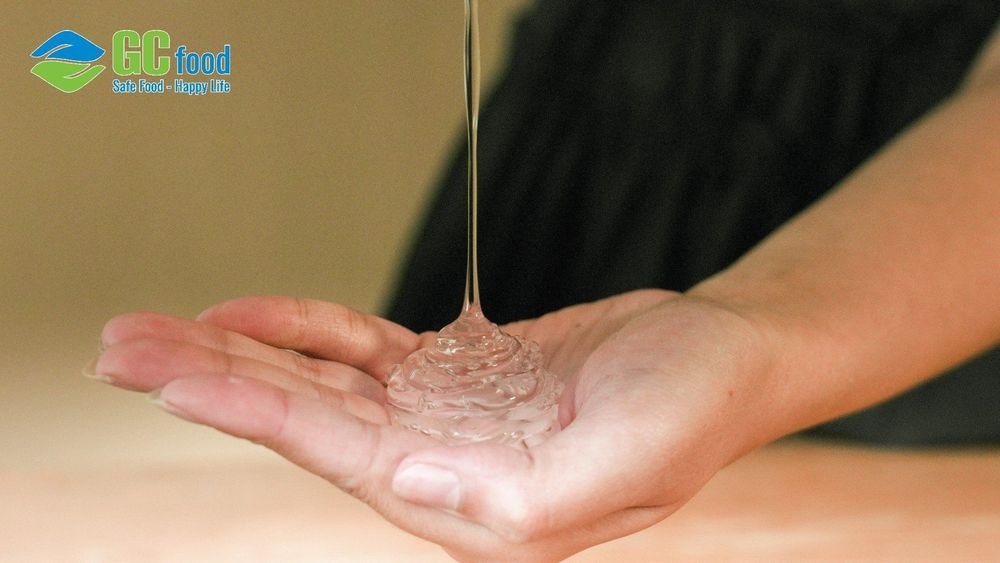
Aloe vera gel delivers a cooling effect that soothes minor burns and sunburn, helping skin recover faster and feel more comfortable.
Supporting skin repair
For small cuts, scratches, or damaged skin, aloe vera helps speed up the healing process by supporting the skin’s natural repair mechanism. Its natural compounds promote cell regeneration, soothe the affected area, and may help reduce the risk of scarring while keeping the skin healthier during recovery.
Deep hydration without heaviness
Aloe vera gel is known for its ability to hydrate the skin deeply while remaining light and non-sticky, making it comfortable for everyday use. It absorbs quickly into the skin, helping maintain moisture balance while keeping the skin soft, smooth, and naturally elastic throughout the day.
Helping with acne and inflammation
Thanks to its antibacterial and anti-inflammatory properties, aloe vera can help reduce redness and swelling caused by acne while soothing irritated skin. Applying a small amount directly to affected areas on a regular basis may support gradual skin improvement, helping acne-prone skin look calmer, clearer, and more balanced over time.
Relief for eczema and psoriasis
Many people use aloe vera gel to help calm itching, dryness, and flaking associated with eczema or psoriasis, thanks to its soothing and moisturizing properties. When applied once or twice daily, the gel can gently relieve irritation, support the skin’s natural barrier, and help sensitive skin feel more comfortable over time.
Can you use aloe vera gel every day?
Aloe vera is gentle enough for daily use and is well-tolerated by most skin types, including sensitive skin. Many skincare specialists suggest applying it once or twice a day, depending on individual skin conditions and needs. It is especially helpful for dry, sun-exposed, or irritated skin, helping restore comfort and maintain healthy skin balance with regular use.
If you use fresh aloe vera leaves at home, it is important to remove the yellow sap carefully before using the gel. This yellow sap contains compounds that may cause irritation or allergic reactions, especially for people with sensitive skin. In addition, always avoid applying aloe vera gel to open wounds or the eye area to prevent discomfort and ensure safe use.
Preparing aloe vera at home
Natural aloe vera can be prepared at home with a few simple and careful steps. After cutting the leaf and draining the yellow sap, the leaf should be washed thoroughly before the clear inner gel is extracted. This gel is then soaked and rinsed several times to remove its natural slime and bitter taste, helping make it safer and more pleasant to use.
Depending on usage needs, the cleaned gel can be blended into liquid form for drinks or gently cooked into jelly for desserts. Among all steps, proper washing and soaking are the most important to reduce bitterness and ensure safe, comfortable use.
GC Food and the development of aloe vera products
Recognizing the value of natural aloe vera, G.C Food Joint Stock Company (GC Food) has invested in in vitro propagation technology to ensure a stable, high-quality raw material source. This method helps maintain consistent quality, disease resistance, and large-scale production.
With a closed production process from fresh leaves to modern factories, GC Food supplies aloe vera products that meet international standards. These products serve both the food and cosmetic industries in domestic and export markets.
Final thoughts
Aloe vera is more than a skincare ingredient. It is a natural, versatile solution that fits into modern lifestyles. From calming the skin to supporting daily health and enriching food experiences, natural aloe vera continues to prove its value as a simple yet powerful plant. With easy access, gentle effects, and wide applications, aloe vera gel remains a trusted choice for those seeking natural care in everyday life.