What Are Rubber Hoses and How Are They Manufactured?
Rubber hoses play a vital role in many industries and everyday applications. They are designed to carry liquids, gases, steam, oil, chemicals, and air safely from one point to another. Thanks to their flexibility and durability, rubber hoses have become an essential component in automotive systems, construction equipment, factories, agriculture, and even household tools.
Whether you are a business owner, engineer, or simply curious about industrial products, understanding what are rubber hoses and how they are made can help you choose the right product for your needs. Leading manufacturers such as Rentone Hose continue to improve hose technology by focusing on quality materials and advanced production methods.
What Are Rubber Hoses?
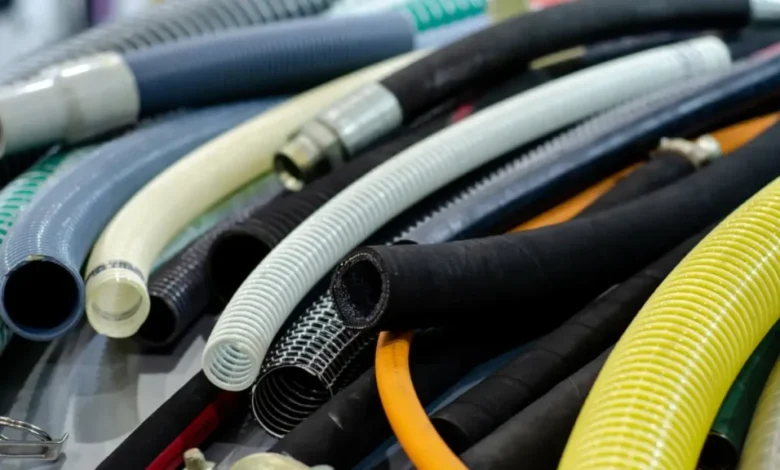
Rubber hoses are flexible tubes made from natural or synthetic rubber. They are built to transport fluids or gases while resisting pressure, heat, abrasion, and weather conditions. Unlike rigid pipes, rubber hoses can bend easily without breaking, making them suitable for moving machinery and confined spaces.
Modern rubber hoses often contain several layers instead of a single rubber tube. Each layer serves a different purpose, such as improving strength, flexibility, or resistance to chemicals and high temperatures.
Main Materials Used
The quality of a rubber hose depends largely on the materials used during production. Manufacturers select rubber compounds based on the hose’s intended application.
Common materials include:
- Natural rubber for excellent flexibility
- EPDM rubber for heat and weather resistance
- Nitrile rubber for oil and fuel applications
- Neoprene for chemical resistance
- Silicone rubber for high-temperature environments
Many hoses also include reinforcement layers made from polyester fibers, steel wire, or textile braids. These reinforcements help the hose withstand internal pressure without losing its shape.
How Are Rubber Hoses Manufactured?
The manufacturing process follows several carefully controlled steps to ensure consistent quality.
1. Material Preparation
The process begins by mixing rubber with additives such as carbon black, curing agents, antioxidants, and plasticizers. These ingredients improve durability, flexibility, and resistance to wear.
2. Extrusion
The prepared rubber compound passes through an extrusion machine. This machine shapes the rubber into a long tube that forms the hose’s inner layer.
3. Reinforcement
Depending on the hose type, manufacturers wrap the tube with textile fibers or steel wire. This reinforcement increases strength and pressure resistance.
4. Outer Cover Application
Another rubber layer is added over the reinforcement. This protective cover shields the hose from sunlight, chemicals, moisture, abrasion, and harsh environments.
5. Vulcanization
The assembled hose is heated under controlled pressure. This process, called vulcanization, creates strong chemical bonds within the rubber. As a result, the hose becomes more durable, flexible, and resistant to cracking.
6. Testing and Inspection
Before leaving the factory, every hose undergoes strict quality tests. Manufacturers inspect pressure tolerance, flexibility, leakage resistance, and dimensional accuracy. Trusted brands like Rentone Hose place great importance on quality control to ensure reliable performance in demanding industries.
Common Applications of Rubber Hoses
Rubber hoses are used in countless industries because they can handle different operating conditions.
Some common applications include:
- Automotive cooling and fuel systems
- Hydraulic equipment
- Air compressors
- Construction machinery
- Agricultural irrigation
- Chemical transfer
- Oil and gas operations
- Food processing equipment
- Firefighting systems
Each application requires a hose designed for specific temperatures, pressures, and chemical exposure.
Benefits of Rubber Hoses
Rubber hoses remain popular because they offer several practical advantages.
Excellent Flexibility
They bend easily without damaging the internal structure, making installation simple.
High Durability
Quality rubber hoses resist abrasion, weather, and repeated movement.
Temperature Resistance
Many rubber compounds perform well in both extremely hot and cold environments.
Pressure Handling
Reinforced hoses safely transport fluids under high pressure.
Long Service Life
Properly manufactured hoses can provide years of dependable performance with routine maintenance.
How to Choose the Right Rubber Hose
Choosing the correct hose depends on several factors.
Consider:
- Type of fluid being transported
- Operating pressure
- Temperature range
- Chemical compatibility
- Hose size and length
- Environmental conditions
- Required flexibility
Selecting the wrong hose can reduce efficiency and increase maintenance costs. Working with experienced manufacturers helps ensure the best solution for each application.
Conclusion
Understanding what are rubber hoses and how they are manufactured makes it easier to appreciate their importance across modern industries. From transporting water and fuel to handling chemicals and compressed air, rubber hoses provide the flexibility, strength, and reliability required for demanding jobs.
Manufacturing involves careful material selection, reinforcement, extrusion, vulcanization, and strict quality testing. Companies like Rentone Hose continue to develop high-quality hose solutions that meet the needs of industrial, commercial, and automotive applications. By selecting the right rubber hose for the intended use, businesses can improve safety, efficiency, and long-term performance.