Why HNDeco Metal Shows Why Stainless Steel Is the Preferred Material for Modern Architectural Design
Modern architecture is no longer focused only on appearance. Today, architects, builders, and property owners want materials that combine beauty, strength, sustainability, and long-term value. Among the many materials available, stainless steel continues to stand out as one of the best choices for contemporary residential, commercial, and public buildings.
Companies like HNDeco Metal have played an important role in providing high-quality stainless steel products that meet the evolving needs of modern architectural projects. From decorative wall panels and custom metal fabrication to elegant façade systems, stainless steel has become the material that balances aesthetics with exceptional performance.
The Rise of Stainless Steel in Contemporary Architecture
Modern architectural trends emphasize clean lines, open spaces, and durable materials that require minimal maintenance. Stainless steel naturally fits these design principles because it offers both visual sophistication and practical advantages.
Unlike traditional building materials that may deteriorate over time, stainless steel maintains its appearance while withstanding harsh environmental conditions. Whether used indoors or outdoors, it provides architects with the flexibility to create innovative designs without compromising durability.
This combination of elegance and reliability explains why leading manufacturers like HNDeco Metal continue supplying stainless steel solutions for projects around the world.
Exceptional Durability for Long-Term Performance
One of the primary reasons stainless steel remains a preferred architectural material is its remarkable durability.
Buildings experience constant exposure to:
- Rain
- Snow
- UV radiation
- Humidity
- Temperature fluctuations
- Air pollution
Stainless steel naturally forms a protective chromium oxide layer that helps resist corrosion and rust. This protective surface continuously renews itself, making stainless steel highly resistant to environmental damage.
As a result, architectural elements maintain their appearance for decades without significant deterioration.
Modern Aesthetics That Never Go Out of Style
Today’s architectural designs often feature sleek, minimalist finishes that emphasize simplicity and elegance.
Stainless steel complements these styles perfectly because it offers various surface finishes, including:
- Mirror polish
- Hairline finish
- Satin finish
- Brushed texture
- Matte finish
- Bead blasted surfaces
- Colored PVD coatings
These finish options allow architects to customize projects while maintaining a premium appearance.
Whether designing luxury hotels, office towers, shopping centers, airports, or private residences, stainless steel enhances visual appeal without becoming outdated.
Outstanding Corrosion Resistance
Corrosion is one of the biggest concerns in construction, particularly in coastal regions or humid climates.
Unlike ordinary steel, stainless steel resists:
- Rust
- Moisture damage
- Chemical exposure
- Industrial pollutants
- Saltwater corrosion
This makes it an excellent choice for:
- Exterior cladding
- Handrails
- Balconies
- Building facades
- Decorative screens
- Outdoor sculptures
The long service life significantly reduces maintenance expenses throughout the building’s lifecycle.
Low Maintenance Requirements
Building owners appreciate materials that remain attractive without frequent repairs or refinishing.
Stainless steel requires very little maintenance compared to painted metals, wood, or other decorative materials.
Routine cleaning with mild soap and water is usually enough to restore its original shine.
Benefits include:
- No repainting
- No sealing
- Minimal cleaning costs
- Long-lasting appearance
- Reduced maintenance budgets
These advantages make stainless steel especially attractive for commercial developments where ongoing maintenance costs directly affect profitability.
Sustainability Supports Green Building Goals
Sustainable construction has become a priority worldwide.
Stainless steel contributes to environmentally responsible building practices because it is:
- 100% recyclable
- Long-lasting
- Energy efficient over its lifecycle
- Low maintenance
- Highly reusable
Many stainless steel products contain significant amounts of recycled material, helping reduce environmental impact while supporting green building certifications.
Its durability also minimizes replacement frequency, reducing overall resource consumption.
Design Flexibility for Creative Architecture
Architects value materials that can be customized into virtually any shape.
Stainless steel supports:
- Laser cutting
- CNC fabrication
- Welding
- Bending
- Folding
- Perforation
- Custom engraving
This flexibility allows designers to create unique architectural features including:
- Decorative partitions
- Elevator interiors
- Ceiling systems
- Wall cladding
- Reception desks
- Stair railings
- Artistic installations
Manufacturers such as HNDeco Metal provide customized fabrication services that enable architects to bring ambitious concepts to life with precision.
Superior Strength with Lightweight Performance
Another significant benefit is stainless steel’s impressive strength-to-weight ratio.
Compared to many alternative materials, stainless steel delivers:
- High structural integrity
- Excellent load-bearing capacity
- Reduced material thickness
- Easier transportation
- Simplified installation
This combination improves construction efficiency while maintaining exceptional safety standards.
Fire and Heat Resistance
Safety remains a critical consideration in architectural design.
Stainless steel performs exceptionally well under elevated temperatures because it:
- Does not burn
- Maintains structural stability
- Produces no toxic fumes
- Resists heat deformation better than many materials
These properties make stainless steel suitable for public buildings, transportation hubs, hospitals, hotels, and high-rise developments.
Hygienic Properties for Public Spaces
The smooth, non-porous surface of stainless steel prevents dirt, bacteria, and contaminants from accumulating easily.
This makes it ideal for environments requiring high cleanliness standards, including:
- Hospitals
- Laboratories
- Hotels
- Restaurants
- Shopping malls
- Airports
- Educational institutions
Easy sanitation contributes to healthier public environments while lowering cleaning efforts.
Versatility Across Architectural Applications
One reason stainless steel remains so popular is its adaptability across numerous architectural elements.
Common applications include:
Building Facades
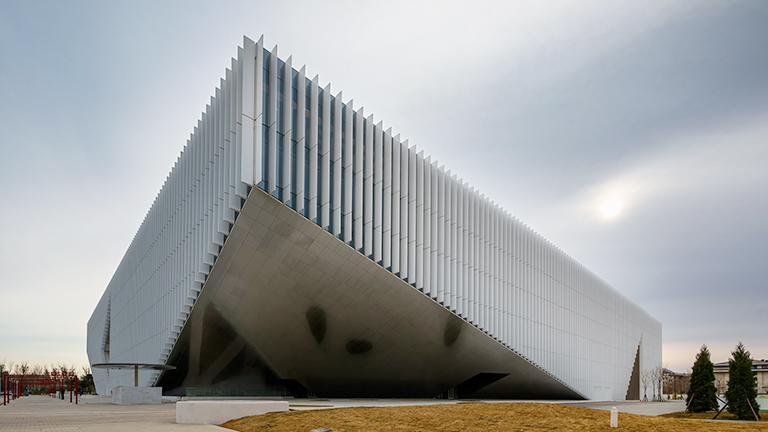
Modern façades benefit from stainless steel’s weather resistance and premium appearance, creating iconic exteriors that remain attractive for decades.
Interior Decoration
Designers frequently incorporate stainless steel into:
- Feature walls
- Ceiling panels
- Decorative trims
- Columns
- Furniture accents
These installations add a sophisticated contemporary touch.
Staircases and Railings
Stainless steel railings combine safety with elegant aesthetics, making them common in residential and commercial buildings.
Elevator Interiors
Luxury elevators often feature brushed or mirror-finished stainless steel for durability and upscale presentation.
Decorative Metal Screens
Laser-cut stainless steel panels provide privacy while allowing natural light and ventilation, creating both functional and artistic architectural features.
Cost Efficiency Over the Building Lifecycle
Although stainless steel may involve a higher initial investment than some alternatives, its lifecycle value is significantly greater.
Long-term savings come from:
- Lower maintenance costs
- Minimal repairs
- Extended service life
- Reduced replacement expenses
- Strong resistance to environmental damage
Over decades of use, stainless steel often proves more economical than materials requiring regular maintenance or replacement.
Meeting the Demands of Smart Architecture
Today’s smart buildings integrate advanced technologies with sustainable materials.
Stainless steel complements these innovations by offering:
- Precision manufacturing
- Compatibility with modern façade systems
- Integration with automated building components
- Attractive finishes for contemporary interiors
Its adaptability ensures it remains relevant as architectural technology continues advancing.
Why HNDeco Metal Is Trusted for Architectural Stainless Steel Solutions
Selecting the right material supplier is just as important as selecting the right material.
HNDeco Metal supports architects, contractors, and designers by providing premium stainless steel products designed for both functionality and visual excellence. Whether a project requires decorative panels, customized fabrication, architectural metalwork, or modern interior applications, quality manufacturing ensures consistent results that meet professional standards.
By combining craftsmanship with advanced production techniques, suppliers like HNDeco Metal help transform architectural concepts into durable, visually striking structures.
Final Thoughts
Stainless steel has earned its reputation as one of the most reliable materials in modern architectural design. Its exceptional durability, corrosion resistance, elegant appearance, sustainability, and design flexibility make it suitable for nearly every type of building project.
As architecture continues to evolve toward smarter, greener, and more visually distinctive spaces, stainless steel will remain at the forefront of innovative construction. With experienced manufacturers such as HNDeco Metal providing high-quality architectural solutions, designers can confidently create buildings that deliver lasting beauty, structural integrity, and long-term value.