How RPM Is Changing Post-Surgical Care and Recovery
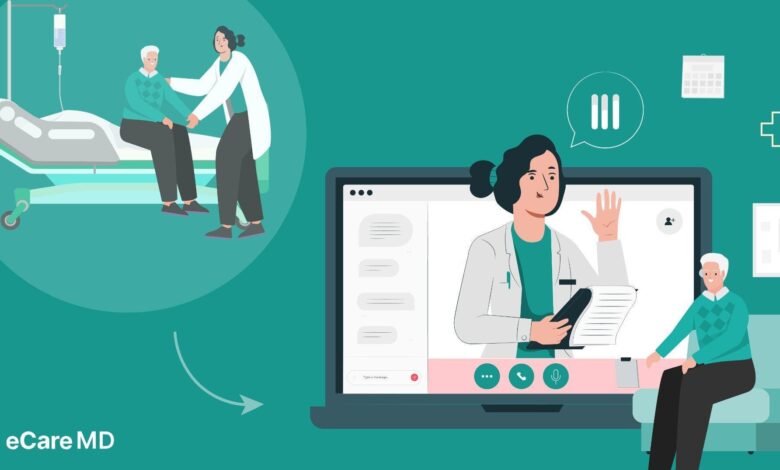
It’s well known that the surgery doesn’t actually end when the patient leaves the hospital, right? The real recovery actually happens at home, and that’s where things get tricky.
The first few days after discharging your patients are important. If there are any symptoms like mild fever, swelling, or unusual pain, it can point to major complications. Even so, in the traditional model, patients are discharged and asked to return usually after a week or two.
In between, there is little to no visibility into how your patients are actually doing. If something goes wrong, there are fewer chances of detection or providing care. This can ultimately lead to readmissions.
Yet, with RPM post-surgical care recovery, there are still many chances that you can close these gaps. Through post-operative remote monitoring, your care team can stay connected with your patients with a real-time approach, tracking recovery and detecting warning signs proactively.
This approach works well in cases like remote monitoring for orthopedic surgery. Furthermore, surgical recovery RPM also helps you to shift care from “wait and see” to a more proactive approach.
All these factors contribute more to reducing surgical readmissions with remote patient monitoring, and figuring out how to bill RPM during a surgical global period.
Let’s explore this blog to understand how RPM is changing post-surgical care and recovery.
Clinical Benefits of RPM in Post-Surgical Recovery
The real value of RPM post-surgical care recovery lies in its ability to catch problems early. Complications never appear suddenly; they always build up quietly over a few days. The key difference here is that someone is watching closely enough to notice.
For example, a little fever or a small increase in pulse rate usually shows up before any serious condition. Many times these small changes are overlooked, but with post-operative remote monitoring, these changes don’t go unnoticed. Your care team can detect the patterns and intervene early.
Equally important is movement, as it can tell you a whole story about recovery. If your patient is improving and then suddenly slows down, it is necessary to understand that something is wrong. In this case, remote monitoring for orthopedic surgery helps you to track all progress and flag issues early.
Medications is another key factor. It’s real fact that due to multiple prescriptions, anyone can miss doses or struggle with side effects. However, with surgical recovery RPM, it’s easy for your care team to stay on top by making quick decisions or adjustments whenever needed.
Many times it’s been difficult to spot some serious risks like breathing issues or blood clots. Often start with small changes like a higher heart rate or lower oxygen levels, and if you fail to spot them, they can turn into an emergency.
Accurate or better timing is another key factor. Reduction of surgical readmissions not only involve having more data, but also involve usage of data at the right time. Rather than rely on a reactive care approach, your care team should respond early.
Strategic Value for Surgical Practices and ASCs
Better recovery is good for patients as it also changes how the whole system performs. And this is where RPM post-surgical care recovery starts to show its real impact.
Readmissions is key challenge which can usually happen after any surgery. Readmission is actually costly, stressful for patients, and closelu tracked by payers. By detecting issues early, reducing surgical readmissions with remote patient monitoring becomes far easier for you.
Additionally, it also gives you more confidence to discharge patients sooner. Rather than thinking “just in case,” your care teams know that they’ll still have much visibility at home with post-operative remote monitoring. This makes early discharge planning safer and more practical.
First, recovery at home can be stressful for your patients. But knowing someone is keeping an eye on their progress makes it easier for them. Further, it helps to build trust and enhance overall satisfaction.
This matters even more as care models shift. In value-based setups and bundled payments, providers are responsible for what happens after discharge—not just the surgery itself. With surgical recovery, RPM can help to manage that risk by avoiding complications that can quickly become expensive.
Designing an Effective Surgical RPM Workflow
Moving forward, setting up RPM post-surgical care recovery is not just about using the right technology. It actually involves building a workflow that actually works in day-to-day practice.
From knowing what to track to managing alerts and scaling the program, every step needs to be clear and structured.
Here’s what an effective setup looks like:
| What Needs to Be Done | How It Works in Practice |
| Set a baseline before discharge | Start by knowing what’s “normal” for each patient—heart rate, BP, temperature, SpO2. This makes monitoring more accurate instead of relying on generic limits. |
| Track vitals and recovery daily | Keep an eye on key metrics like temperature, heart rate, BP, and oxygen levels. Add activity, pain scores, or wound updates when needed. Post-operative remote monitoring works best with consistent daily tracking, especially in the first two weeks. |
| Create a clear triage system | Not every alert needs a surgeon. Care coordinators can handle routine issues, nurses can step in for moderate concerns, and only serious cases go to the surgeon. This keeps surgical recovery RPM efficient and manageable. |
| Handle billing and compliance properly | It’s important to understand how to bill RPM during a surgical global period. In many cases, RPM can be billed separately if it goes beyond standard post-op care—documentation and correct coding are key. |
| Build for scale from the start | A system that works for 20 patients should also work for 200. Automation, standard workflows, and smart alert routing help in reducing surgical readmissions with remote patient monitoring without overloading the team. |
Technology That Enables Post-Surgical Monitoring at Scale
Technology is something that makes all of this actually work. If you don’t have the right system in place, even the best RPM post-surgical care recovery plan can fall apart. It not only involves data collection, but also making sure that data is actually useful, timely, and easy for care teams to act on.
A strong platform can connect yout entire journey as well as the recovery phase. It is important for you to link everything together from pre-surgery baselines to post-discharge tracking. This shows that the recovery is not just treated as a separate episodes, but it’s actually a part of a continuous story.
Moving forward, it also brings different types of data into just one place. For example, from heart rate to temperature to patient levels and mobility. By combining these data, you can get a clearer picture of your patient health, which makes post-operative remote monitoring more effective.
Another key factor is speed. For instance, if something looks off, the response shouldn’t wait. With built-in communication such as messages, calls, or quick video check-ins, your care team can act immediately.
Even so, it is important to track all of these accurately. Handling documentation in the background can help you with compliance, while supporting practical needs like how to bill RPM during a surgical global period.
As a result, efficiency becomes critical part as the program continues to grow. For example, with dashboard highlighting high-risk patients, it will become easy to manage larger volumes without feeling overwhelmed.
Conclusion: Extending Surgical Care Beyond the OR
Surgery alone cannot decide outcomes, the major part of it depends on recovery. However, without visibility at home, even one small issue can turn into serious complications.
This is the reason why RPM post-surgical care recovery is gaining momentum. It plays a key role in helping your care team to stay connected, detect issues early, and step in before things get worse.
Post-operative remote health monitoring system is no longer optional, and the reasons behind it are the shift to quick care models and rising expectations. It becomes the standard that supports better outcomes, seamless workflows, and more confident recovery for patients.
Click here to get started with a smarter RPM solution for post-surgical care.
FAQs
- What is RPM post-surgical care recovery in healthcare?
RPM post-surgical care recovery refers to using Remote Patient Monitoring to track a patient’s vital signs, symptoms, and recovery progress after surgery. By collecting daily data such as temperature, heart rate, blood pressure, and patient-reported outcomes, surgical teams can detect complications early and intervene before they require emergency care or hospital readmission.
- Can RPM be used during the surgical global period?
Under current CMS guidelines, RPM services can generally be billed separately from the surgical global period when the monitoring addresses a condition distinct from the surgical procedure or when the RPM services exceed what is considered standard post-operative care. Practices should consult their billing compliance teams to ensure proper documentation and coding for each case.
- How does post-operative remote monitoring reduce readmissions?
Post-operative remote monitoring reduces readmissions by providing daily visibility into the patient’s recovery. Early indicators of complications—such as trending fever, elevated heart rate, declining SpO2, or reduced mobility—are detected days before they would typically trigger an ER visit, enabling outpatient intervention that prevents hospitalization.
- What data should be tracked after surgery using RPM?
Core post-surgical RPM data includes temperature, heart rate, blood pressure, and oxygen saturation. Depending on the procedure, practices may also track activity levels, pain scores, wound status via patient surveys, and medication adherence. Pre-discharge baselines for each vital sign improve the accuracy of post-operative alert thresholds.
- How does RPM help detect post-surgical infections early?
Surgical site infections produce early physiological changes—low-grade fever, elevated resting heart rate, and subtle temperature shifts—that often appear days before visible symptoms like redness or drainage. Daily RPM data captures these trends, allowing the care team to initiate treatment before the infection progresses to a stage requiring readmission.
- Can RPM improve recovery outcomes in orthopedic surgeries?
Yes. Orthopedic recovery depends heavily on early mobilization and consistent physical activity progression. RPM that tracks activity levels and step counts helps the surgical team monitor whether patients are meeting mobility milestones. Declining activity may indicate complications, excessive pain, or non-compliance with rehabilitation protocols—all of which can be addressed through early outreach.
- What are the challenges of implementing surgical recovery RPM?
Key challenges include establishing procedure-specific monitoring protocols, training surgical staff on RPM workflows, managing billing compliance during the surgical global period, ensuring device setup before or at discharge, and scaling the program across high-volume surgical practices without overwhelming the monitoring team.
- How do providers manage alerts in post-surgical RPM programs?
Effective programs use tiered triage workflows. Care coordinators handle routine check-ins and missed readings. Nursing staff respond to moderate clinical alerts such as trending fever or elevated heart rate. Surgeons are escalated only for high-priority alerts that may require a clinical decision, such as suspected VTE or wound complications. This structure keeps the workflow efficient and ensures critical alerts receive immediate attention.